

Bridging the gap of maternal health challenges in Katakwi
July 15, 2023
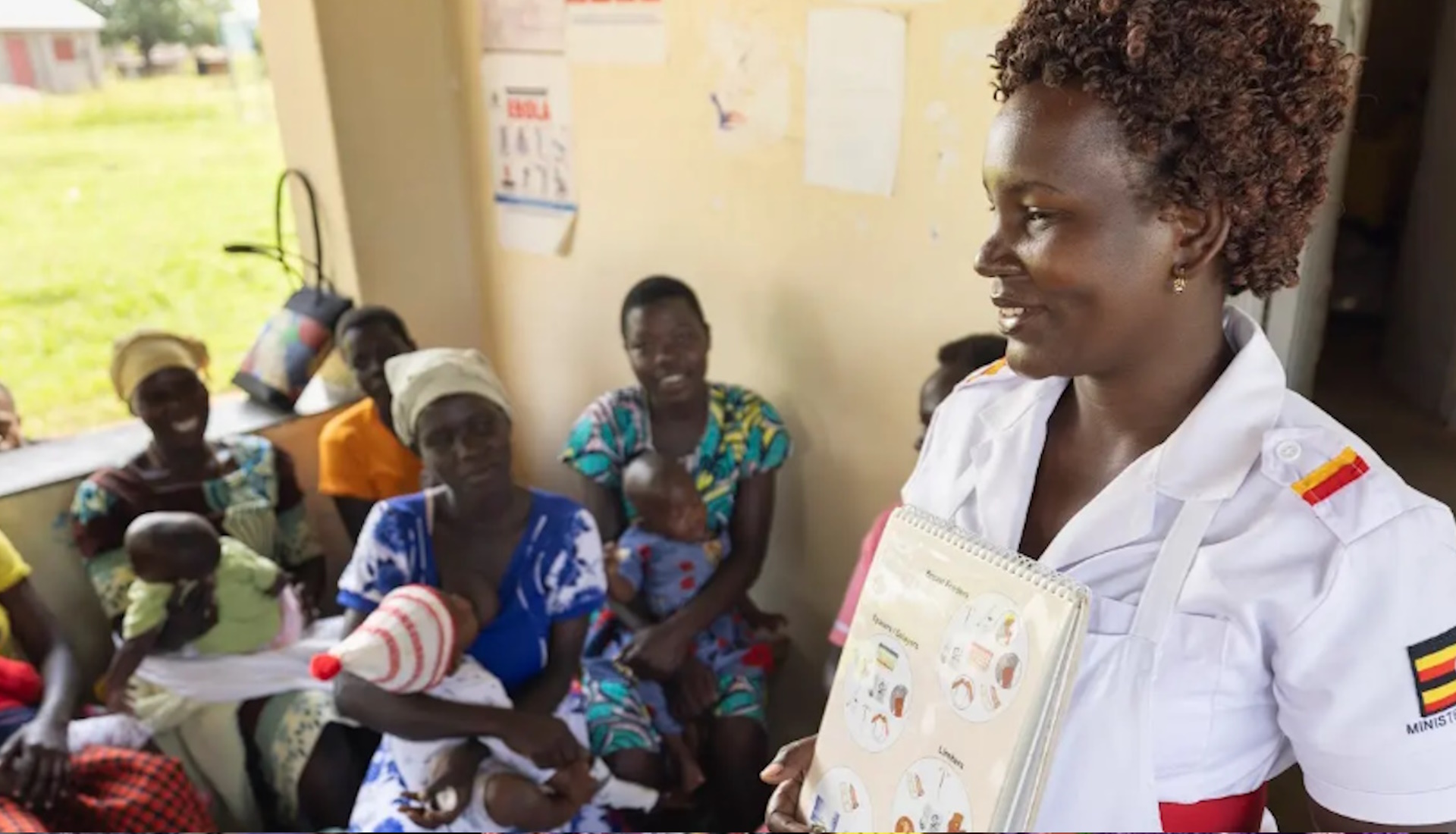
Jessica Salume shares information on family planning with mothers before the start of a child vaccination clinic in Katakwi district.
Dr. Emmanuel Ongala, the District Health Officer Katakwi district has spent the past year and a half grappling with the reality of an underserved health system. A gynaecologist by training, he balances his administrative duties with hands-on medical care at the Katakwi General Hospital. But his biggest concern remains the dire state of maternal health services in the district.
“Access to health services is difficult and the quality of care at the few available centers is inadequate. Many families do not prioritize hygiene, increasing disease burdens like Malaria. Malnutrition is also rampant due to poor dietary practices,” he explains.
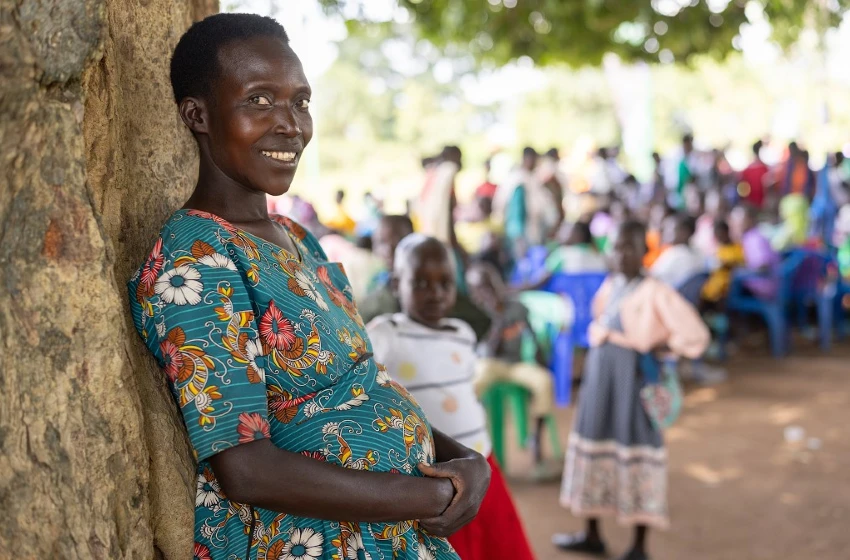
For expectant mothers, the challenges are even more pronounced. The district’s vast geography means that women must walk an average of 15 kilometers to reach a health facility. Even when they arrive, they often find empty medicine shelves, a shortage of trained staff, or a lack of essential medical equipment.
“Only 62% of mothers deliver in health facilities. The rest rely on traditional birth attendants or, worse, give birth at home,” says Ongala. “Many labour pains start at night, but without reliable transport, families opt for home deliveries. The district has one aging ambulance from 2005, which frequently breaks down, leaving us to rely on pickup trucks in emergencies.”
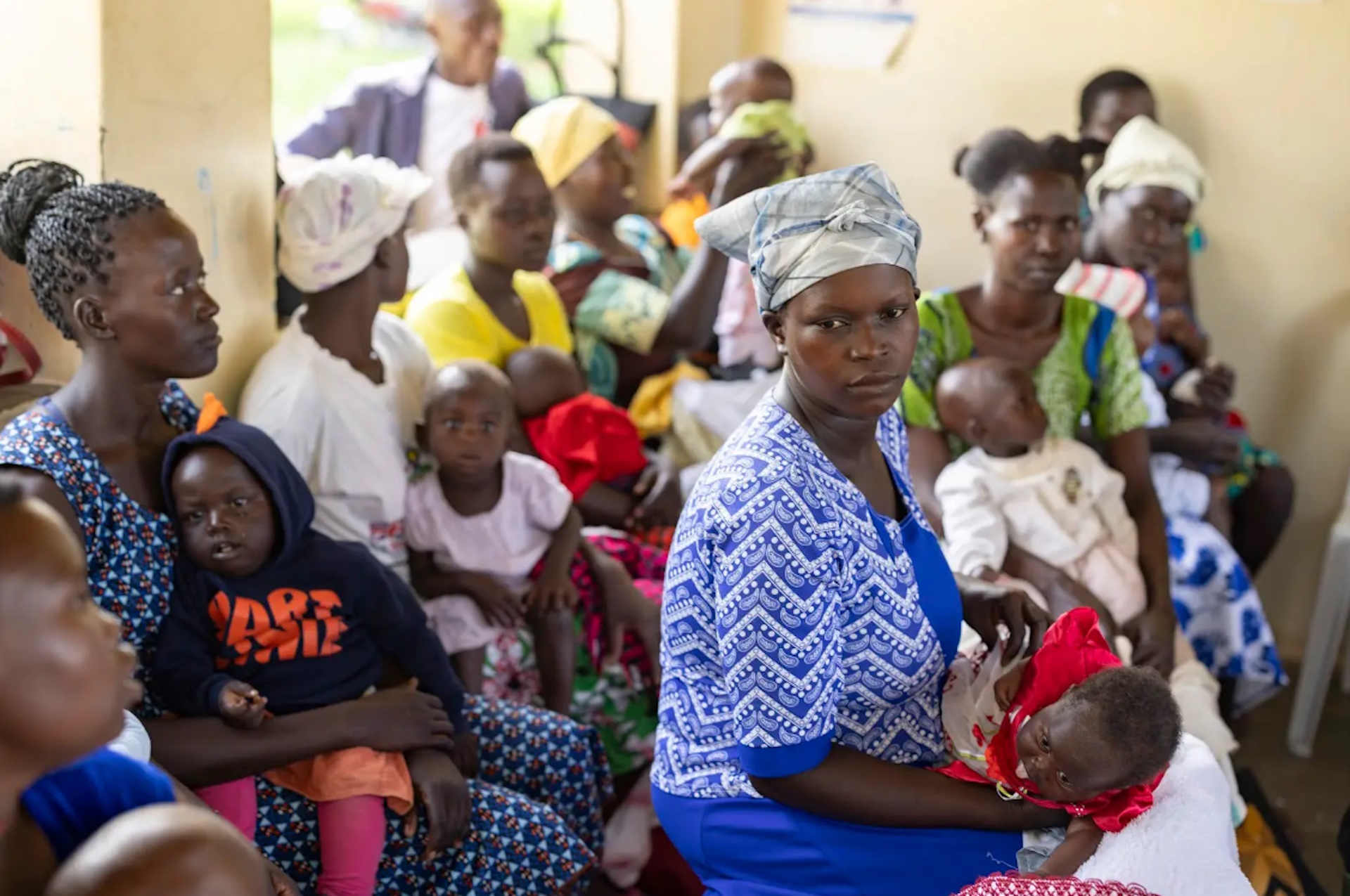 Esther (right) and her daughter, Christine (18 months), sit alongside other mothers and children as they await the start of a child vaccination clinic in Katakwi.
Security concerns further complicate ambulance responses. “We hesitate to respond to random calls due to past ambushes by cattle rustlers. Instead, we prioritize calls from health centers where authenticity is assured.”
The government has promised reforms. The Ministry of Health plans to send ambulances with trained drivers and upgrade Health Centre IIs to Health Centre IIIs, ensuring better maternal services in remote sub-counties. Community-based antenatal care programs are also being introduced, bringing health services closer to hard-to-reach populations. However, these measures are slow in implementation.
Despite the odds, community health volunteers like Mary, a 37-year-old Village Health Team (VHT) member, work tirelessly to bridge the gaps. “I was chosen by my village mates because I had more education than most. I stopped in Senior One, but I am passionate about helping my community,” she says.
Mary’s role extends beyond awareness campaigns. She educates families on hygiene, malaria prevention and family planning, even administering contraceptive injections. “Many women embrace family planning because it helps them space their children. Some even say it makes them look younger!” she adds.
However, she is deeply troubled by the barriers women face in accessing maternal healthcare. “Pregnant women endure unbearable pain at night because they have no means to get to the hospital. Some give birth by the roadside while trying to reach the nearest health center. The fear of night-time attacks discourages boda boda riders from transporting women in labour.”
Our contributions
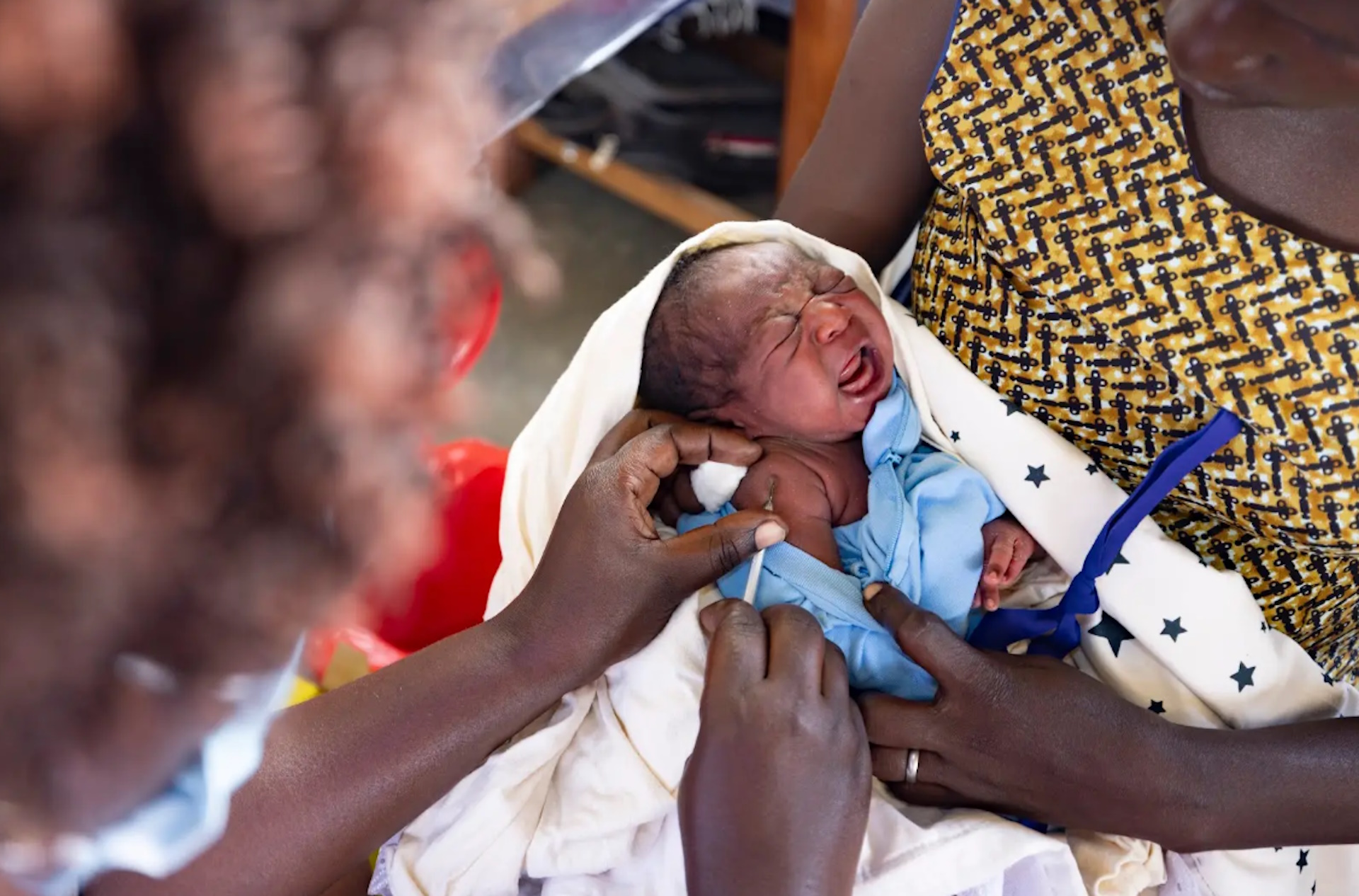
Three-day-old Opio is held by his mother, Betty, as he receives a shot at a routine vaccination
Aware of these many challenges, ChildFund stepped in to provide critical support. Through quarterly health outreaches, underserved communities receive antenatal care, immunization, HIV testing, malaria treatment and cancer screening. “These outreaches have saved lives, especially for mothers who struggle to reach health centers,” Mary explains.
ChildFund has also supplied mosquito nets, promoted better nutrition practices and ensured emergency referrals. During the COVID-19 pandemic the organisation provided megaphones for sensitization campaigns, personal protective equipment for health workers and buffer stocks of essential medicines. Health workers were also facilitated to reach patients in need, Ongala acknowledges.
However, much remains to be done. Ongala emphasizes that better resource allocation to existing health centers would provide immediate relief. “We need more staff, medical supplies, and outreach programs to serve remote communities.”
Mary believes that offering incentives such as mama kits to mothers who deliver in health facilities would increase hospital births. “If women know they will receive essential supplies after delivery, they will be more willing to endure the long journey to a health centre.”
Her work is deeply fulfilling. “I love what I do. Women trust me with their health concerns and I ensure children born with HIV receive the care they need. I visit their homes to check on them, advise their caretakers on proper feeding and make sure they never miss their medication.”
For now, the struggle for accessible maternal health care in Katakwi continues. But with the dedication of health workers, community volunteers and organizations like ChildFund, hope remains that every mother and child will one day have the care they deserve.
SHARE:


Related Resources
The impact of clean water in Kapelebyong, northern Uganda
We visited two communities to witness firsthand the difference between those with access to clean...
Taking health care to the last mile
Access to healthcare remains a significant challenge, especially for people living in rural areas. Many...
ChildFund holds inaugural health camp in Kapelebyong district
July 14, 2025 was a beehive of activity at the inaugural health camp organized by...