

Boosting child health through Vitamin A supplementation
October 22, 2022
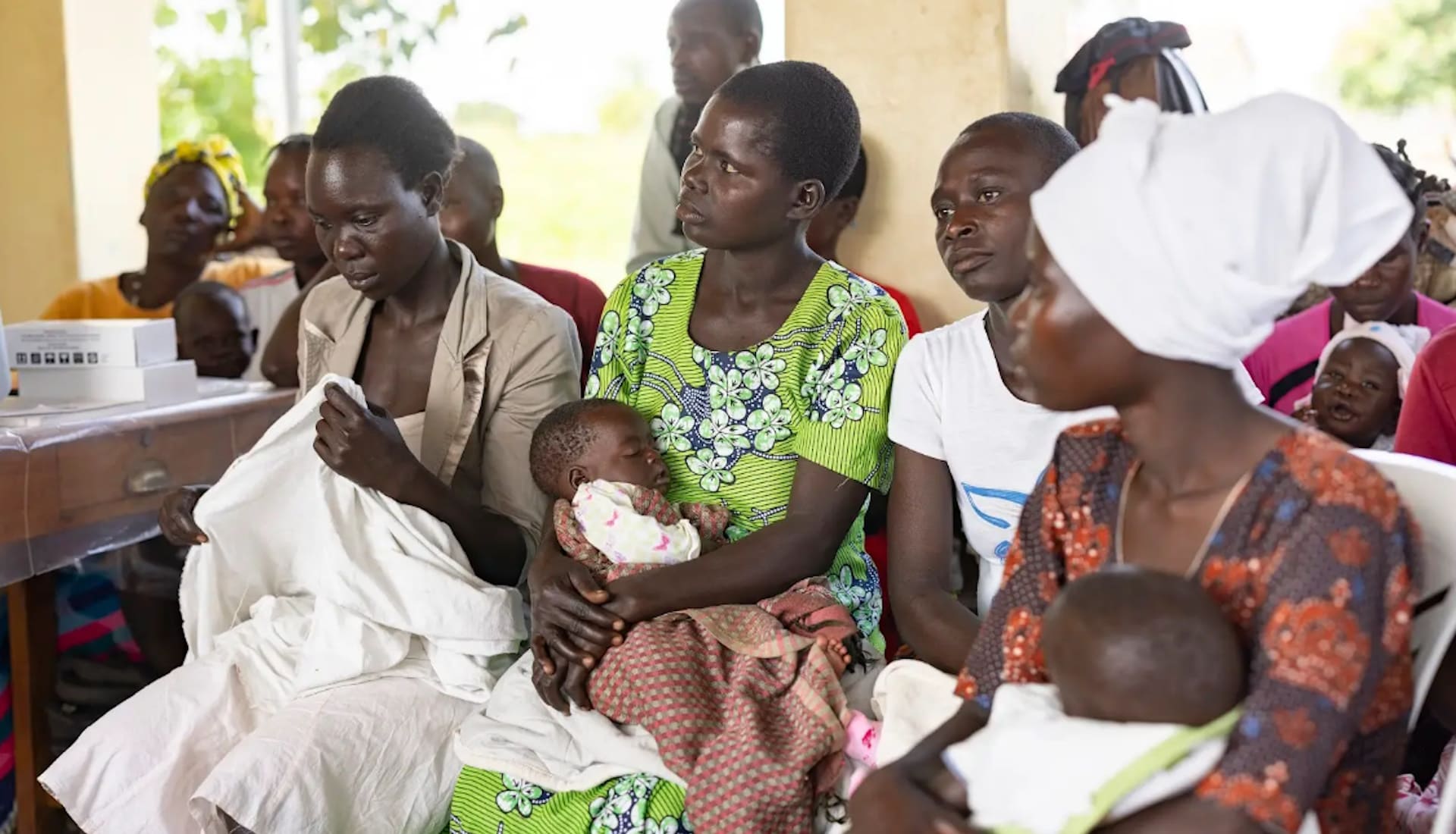
Mothers in Katakwi District being educated on the importance of vaccinating their children.
From November 2021 to September 2022, ChildFund, with funding from Nutrition International, partnered with the Ministry of Health to implement a Vitamin A Supplementation (VAS) mop-up campaign.
The initiative, aimed at increasing national Vitamin A coverage from 47% to at least 80%, successfully reached over 6.2 million children aged 6 to 59 months, as well as children aged 5 to 14 years and postpartum mothers across Uganda.
“This project was about saving lives and ensuring our children have a healthier, brighter future. With Vitamin A playing such a crucial role in reducing child mortality and boosting immunity, the impact of this campaign was immeasurable,” said James Muhumuza, ChildFund health specialist.
ChildFund played a key role in managing funds while implementation was led through the Ministry of Health’s structures from national to community level.
Two major mop-up campaigns were conducted, the first from December 2021 to February 2022, and the second from June to September 2022.
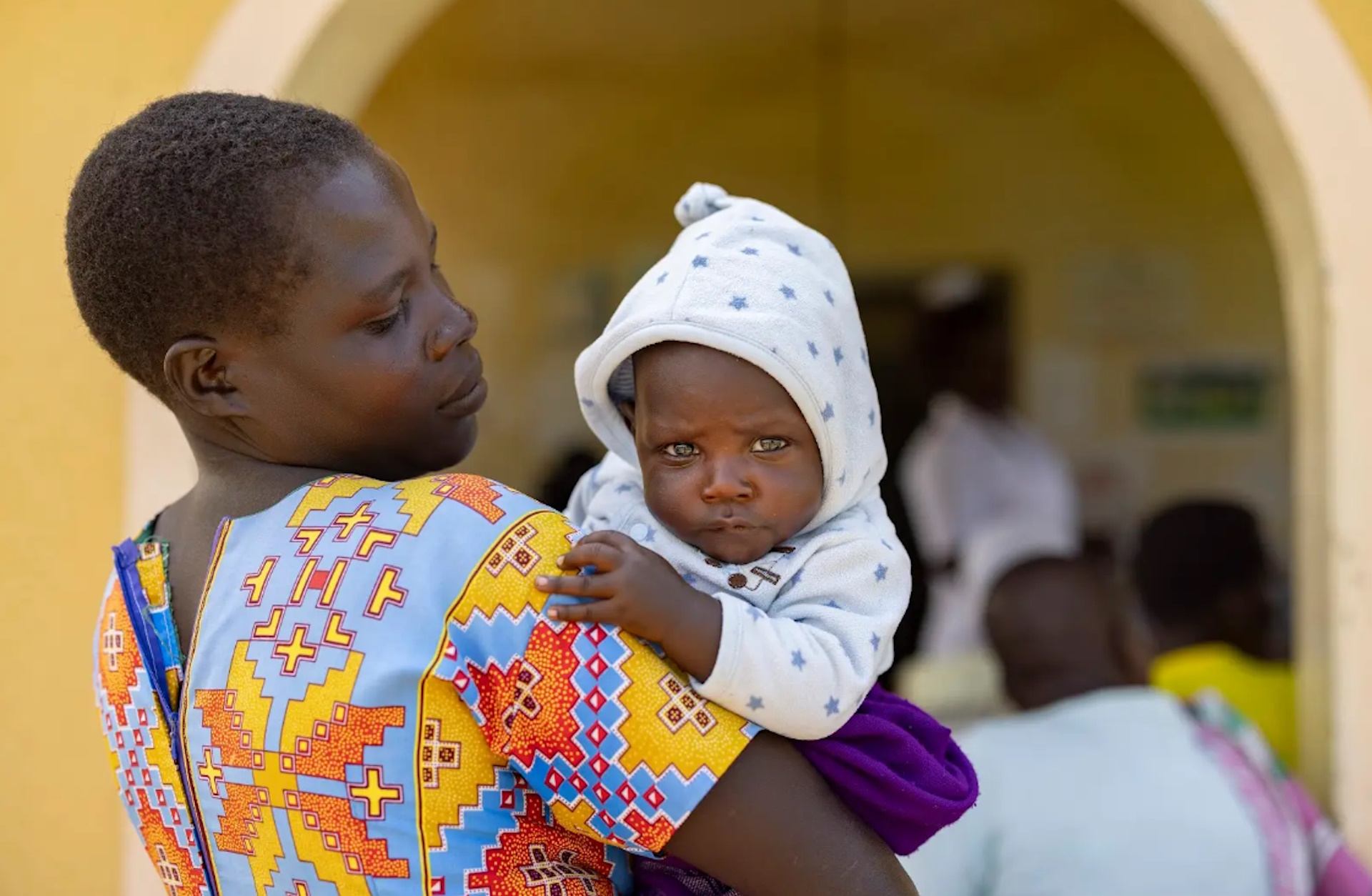 Florence brings her son, Ezekiel for vitamin A supplementation in Katakwi district.
These campaigns covered all 158 administrative units across the country. Some of the key activities of the campaign included a national bottleneck analysis workshop to identify barriers to effective Vitamin A coverage, planning and coordinating meetings with district health teams as well as orientation sessions for local government teams on VAS campaign implementation.
The others included supervision of micro-planning meetings and support for health facilities to effectively conduct outreach services and community outreach activities, where health workers administered Vitamin A capsules and deworming tablets to children and postpartum women.
“Working hand in hand with local governments and frontline health workers allowed us to reach even the most remote communities,” Muhumuza said, adding that the level of collaboration was key to the success of the campaign.
Of the USD 2,225,330.27 received for the project, 92% was utilized effectively. A total of 6,227,033 children had received life-saving interventions, dramatically improving Vitamin A coverage and reducing the risk of preventable childhood illnesses and death.
A publication from Nutrition International titled Nutrition International to lead vitamin A supplementation catch-up efforts for children in Africa as part of Canada’s response to COVID-19 indicated that the organisation’s move was made to catch up with the disruptions brought about by the COVID-19 pandemic.
“This pandemic did not only interrupt the delivery of lifesaving nutrition and health interventions to people that need them most, but it also stretched the capabilities and resources of many governments to the breaking point,” said Joel Spicer, president and CEO of Nutrition International.
“Immune system strength is one of the world’s most precious resources and vitamin A is essential, particularly for children, in helping them fight off infection and disease,” he added.
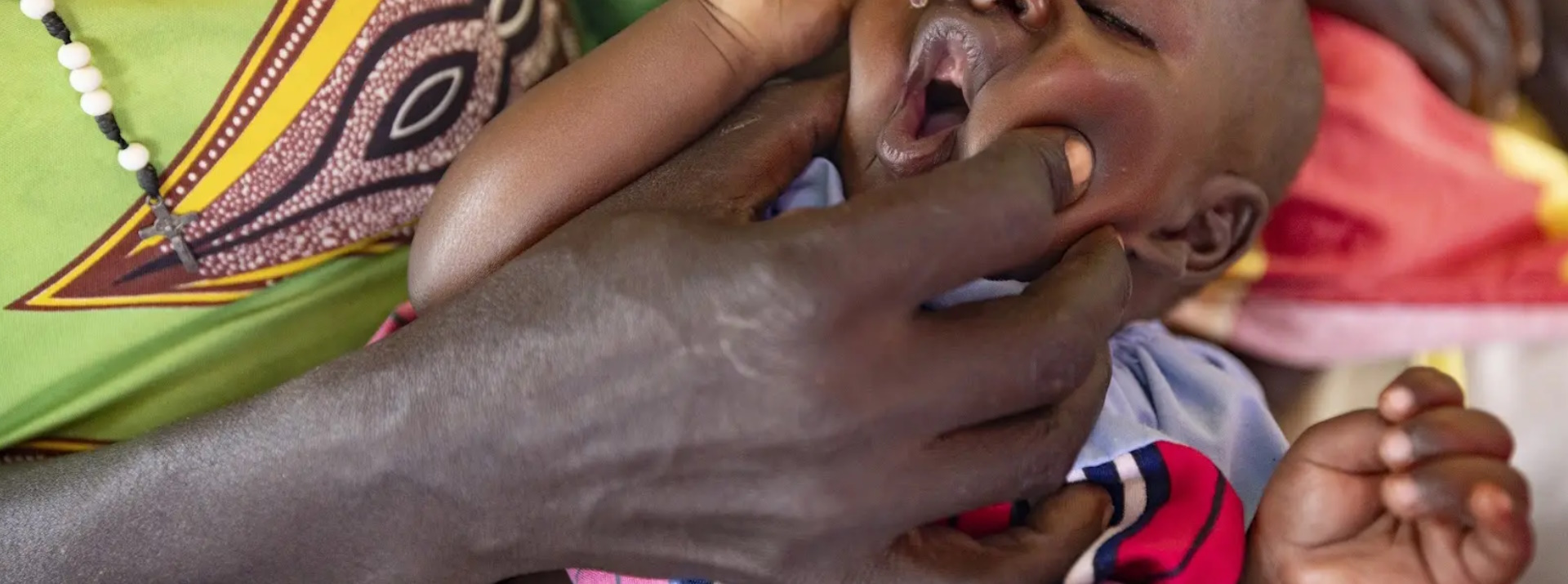 This supplement is given through the mouth.
Vitamin A deficiency is a major public health problem affecting an estimated 190 million preschool-age children, mostly from Africa and South-East Asia, according to the World Health Organisation.
The global health body observes that inadequate intakes of vitamin A at this age could lead to vitamin A deficiency, which, when severe, may cause visual impairment (night blindness) or increase the risk of illness and mortality from childhood infections such as measles and those causing diarrhoea.
There is also emerging evidence that Vitamin A deficiency may affect brain development and learning ability, reducing children’s readiness for school and future success.
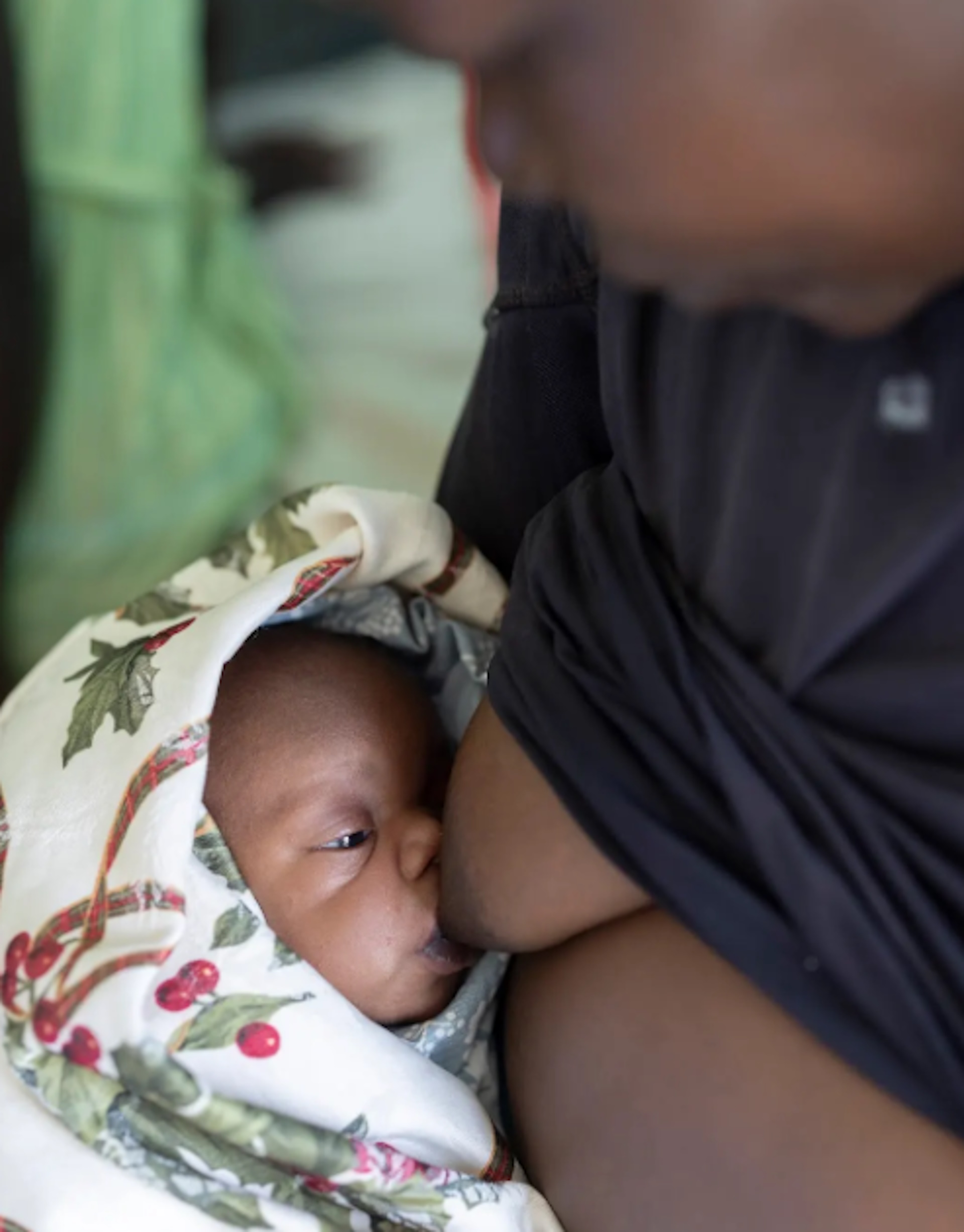
It is important for mothers to continue breastfeeding children even after administering vaccines and supplements to enable them to grow up healthy and safe.
On a broader scale, Vitamin A deficiency leads to more frequent illnesses, which puts pressure on families and the healthcare system, increasing costs and slowing economic development.
SHARE:


Related Resources
The impact of clean water in Kapelebyong, northern Uganda
We visited two communities to witness firsthand the difference between those with access to clean...
Taking health care to the last mile
Access to healthcare remains a significant challenge, especially for people living in rural areas. Many...
ChildFund holds inaugural health camp in Kapelebyong district
July 14, 2025 was a beehive of activity at the inaugural health camp organized by...