

Joining Forces for Africa/Uganda - Family Matters
09/04/2021
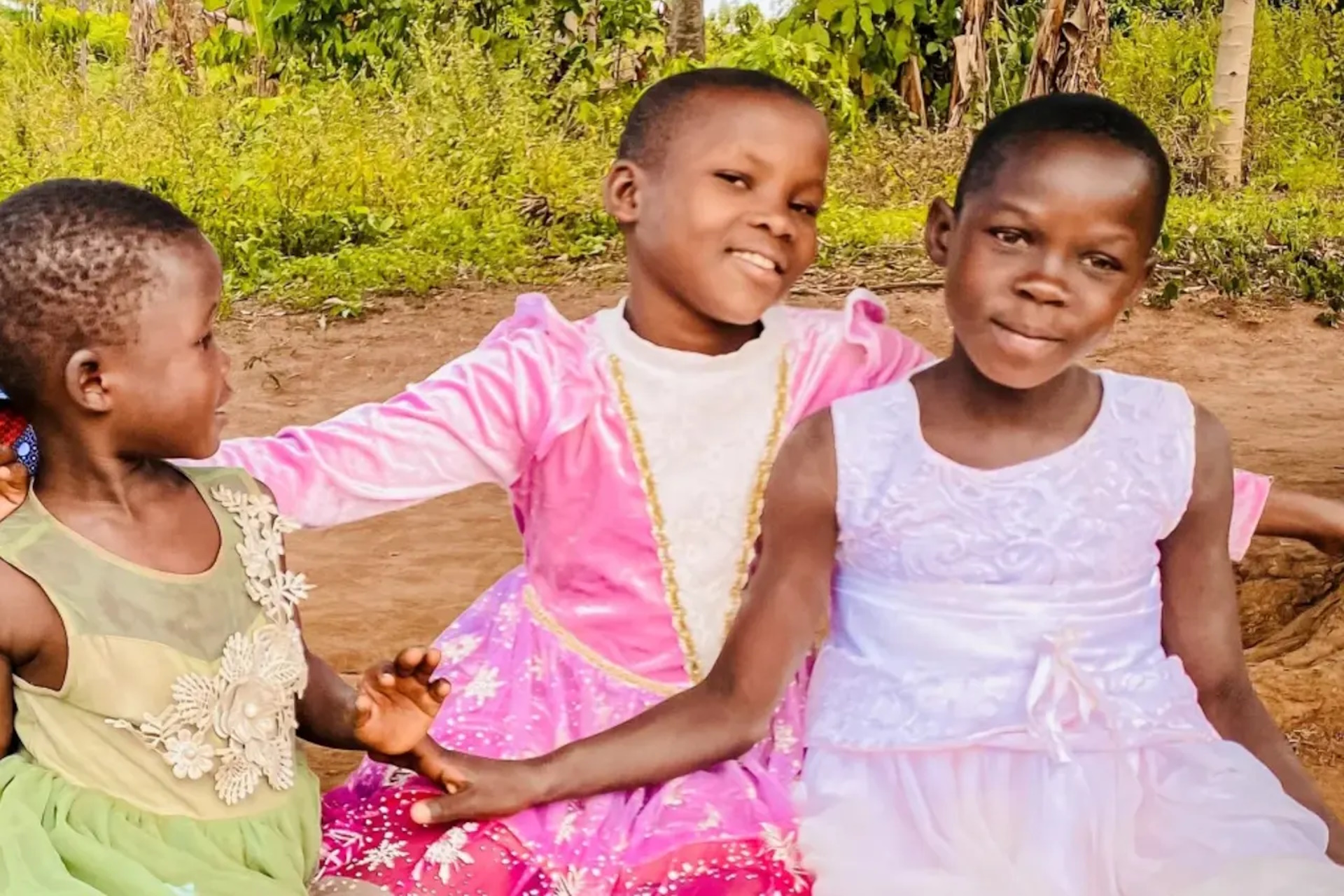
Ugandan children are often expected to be completely submissive to the demands of adults, a dynamic that can sometimes lead to harsh emotional abuse if children are deemed to have spoken out of turn.
Emotional violence is defined as a pattern of verbal behavior over time or an isolated incident that is not developmentally appropriate and supportive and that has a high probability of damaging a child’s mental health or his/her physical, mental, spiritual, moral, or social development. Child neglect is often defined as the failure of a parent or caregiver to provide needed food, shelter, clothing, medical care, or supervision to the degree that a child’s health, safety, and well-being are threatened with harm.
The Violence against children national survey 2018, stipulates that emotional violence is mostly perpetrated by parents and caregivers. For Uganda in particular, emotional violence is often not recognized as an issue within Ugandan society, leading to normalization of severe verbal treatment of children.
According to the Joining Forces report, protecting children during the COVID 19 crisis and beyond, it was revealed that parents and care givers lost their source of livelihoods but also stayed with children for a very long time. These scenarios saw most parents and care givers in Bugiri district experience high levels of stress and in turn this was transferred to children through emotional abuse and child neglect.
Obaara, a district elected councilor from Budhaya sub county in Uganda recalls how, as a parent, provision of basic needs was not a priority: “My children often lacked essential items such as sanitary towels, books and pens. My family also suffered from emotional abuse, I was a very tough father, I would shout at my wife and children especially when finances were low.”
The JOFA project is using Save the Children developed approach ‘Parenting without Violence’ (PwV). The approach helps parents and caregivers to clearly understand their role and responsibility and how to support their child as they develop. The approach works with fathers, mothers, care givers, communities, and children to transform harmful and discriminatory gender norms, power dynamics and accepted practices that drive violence in homes, it also works with Government to strengthen systems and mechanisms that increase children protection equitably and, in a gender, sensitive way.
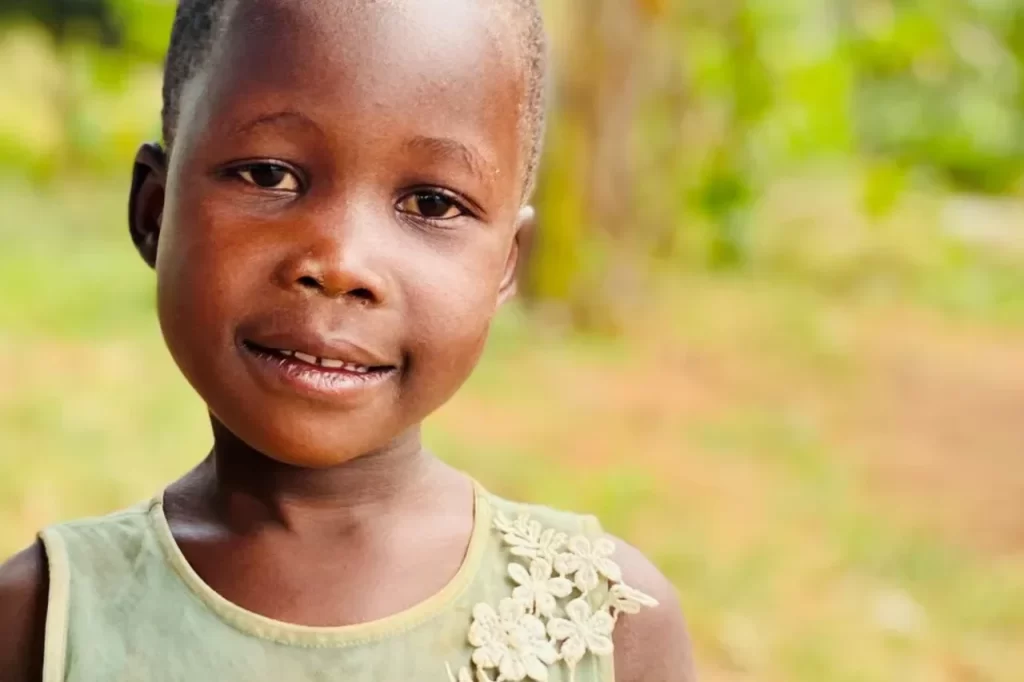
Emmanuel was one of 200 parents to participate in positive parenting sessions where they discussed and learnt topics such as family dreams and self-care for caregivers, right to be safe, positive parenting goals, caring for children with emotional warmth, and understanding children, their views and feelings.
Other important aspects of parenthood such as respectful communication and solving problems together or positive relationships helped Obaara’s and his peers to review their parenting vision and skills. Obaara’s change started during and after attending the positive parenting sessions.
Obaara committed to change his behavior when dealing with his family. Obaara reports having changed from being a tough father and husband to being a lovely and approachable father and husband. He mentions that “I take provision of basic needs a pertinent issue at home, I provide scholastic materials to all my children equally including girls without forgetting sanitary towels.”
Because of these new interventions at home, he now enjoys time with his family members for insistence “I now enjoy playtime with my children.” In addition, my children have developed confidence and self-esteem. This is because we discuss and make family decisions together with the children.
Stella, the 14 years-old daughter of Obaara narrates a story of how her father, for the first time in her life, accepted her decision: ” My father wanted me to skip a class because he did not have enough money. Like many parents, he wanted me to go ahead. However, because I wanted to perform better, I explained that I needed to stay in the class I am supposed to be in.”
Elijah, 12 years, one of Obaara’s sons narrates how his father has shunned physical violence and now provides basic needs like food. Obaara has emerged as a community mentor and now he presides his PwV group in Budhaya sub county where is fighting against child labour, physical violence, teenage pregnancy, and early and forced marriages.
Using his knowledge on positive parenting, Obaara has taken it upon himself to sensitize other parents in the district to champion prevention and ensure child wellbeing.
During one of the focus group discussions, the different group members shared the impact of positive parenting sessions.


About ChildFund
ChildFund is a child-focused development organization that has been operating in Uganda since 1980. We work to connect children with the people, resources and institutions they need to grow up healthy, educated, skilled and safe, wherever they are. Delivered through 9 local implementing partner organizations, our programs address the underlying conditions that prevent any child or youth from achieving their full potential.
More to Explore
ChildFund and Longhorn Publishers partner to enhance literacy in early grades
ChildFund decided to reprogram its available funds to respond to the emerging...
Joining Forces for Africa/Uganda – Getting Better on Parenting Skills
Violence against children (VAC) is any form of physical, emotional, or mental...

ChildFund disburses UG Shillings 1.4 Billion to support families during COVID-19 pandemic
ChildFund decided to reprogram its available funds to respond to the emerging...