

ChildFund holds inaugural health camp in Kapelebyong district
July 14, 2025
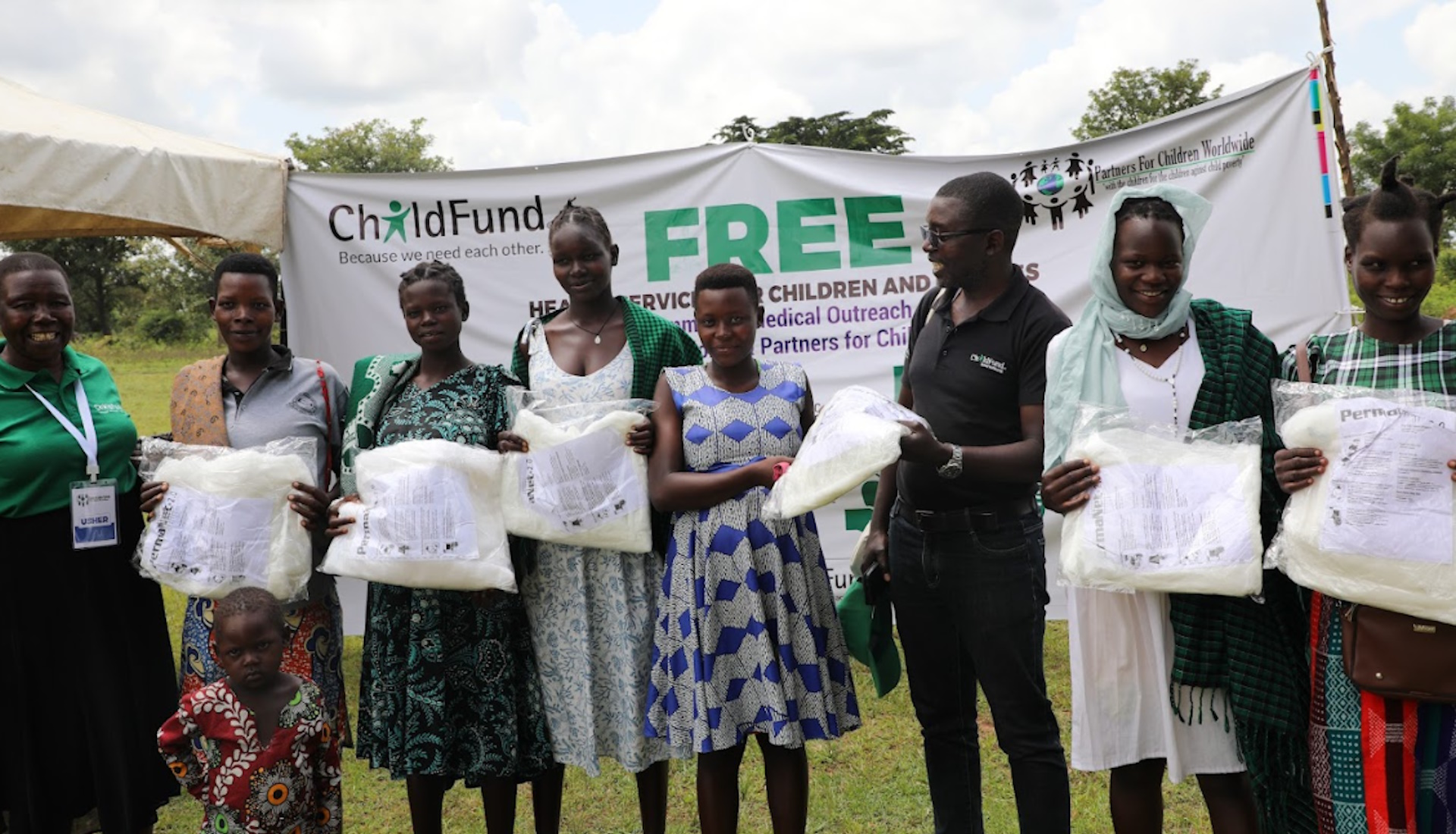
George hands over mosquito nets, to some mothers.
July 14, 2025 was a beehive of activity at the inaugural health camp organized by ChildFund, in collaboration with Partners for Children Worldwide and the Government of Uganda, at Acowa-Atutur Primary School in Kapelebyong District.
Hundreds of residents from Kapelebyong and neighbouring Amuria districts turned up for the free medical outreach.
A wide range of free health services were offered during the health camp. These included general medical check-ups, child immunization, health education sessions, cancer screening, referrals for specialized care, HIV testing and counselling, antenatal care, nutrition counselling, and deworming for children.
The camp brought together medical professionals and public health educators working in Kapelebyong district local government.
George Masuba, the Program Manager at Partners for Children Worldwide, said special attention was given to children, pregnant women, breastfeeding mothers, and the elderly.
“We are committed to advancing the health and wellbeing of children and their families. Through partnerships with government and other stakeholders, we strive to bring lifesaving services closer to communities that need them most,” Masuba noted.
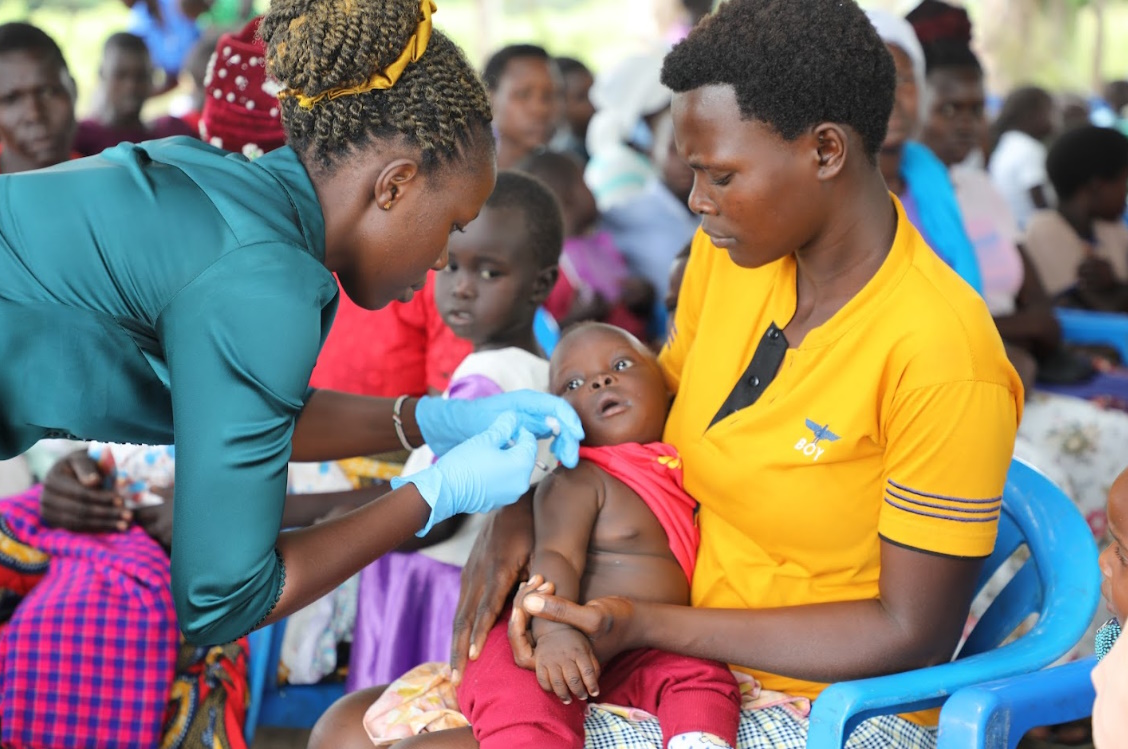 Oliver Asayo, an enrolled midwife immunises a baby at the camp.
The burden of poor health, particularly among children under five, remains a major concern. It is against this background that ChildFund Uganda’s approach to healthcare is community-led and child-focused.
The organisation works hand in hand with families, community health workers, local leaders and government structures to strengthen health systems, promote healthy practices, improve access to clean water and nutritious food and ensure that mothers and caregivers receive the support they need.
Francis Oumo, a nursing officer who participated in the outreach, noted that malaria, urinary tract infections (UTIs) and diarrhea were the most reported ailments among participants.
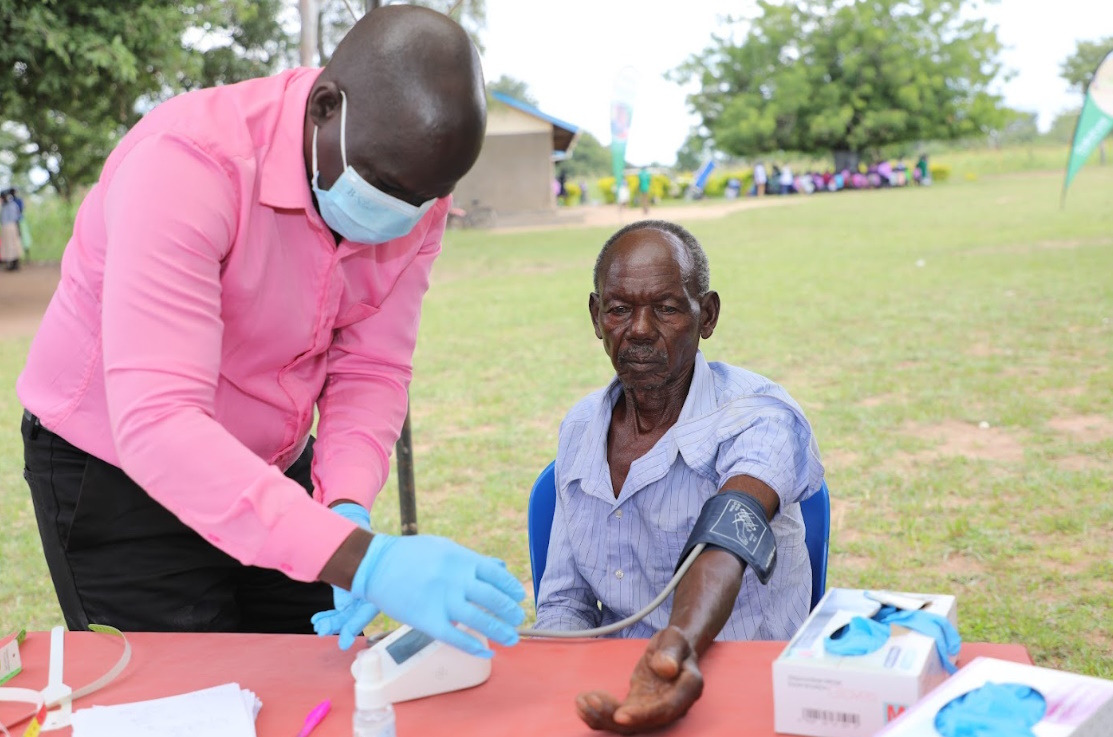 Oumo examines an elderly man at the outreach.
He attributed the high prevalence of malaria to poor mosquito net usage and untrimmed bushes around homesteads, which serve as breeding grounds for mosquitoes. On the rise in UTIs, he cited poor hygiene practices, especially among women, as a contributing factor.
“UTIs are mostly caused by poor hygiene. Clothes should be washed and dried regularly. Many people are unaware and that is why the rate is high. If left untreated, UTIs not only deteriorate one’s health but also lead to increased healthcare costs and even loss of life. Frequent use of antibiotics to treat such infections can also lead to drug resistance,” said Oumo, who also serves at Akoromit Health Centre III.
SHARE:


Related Resources
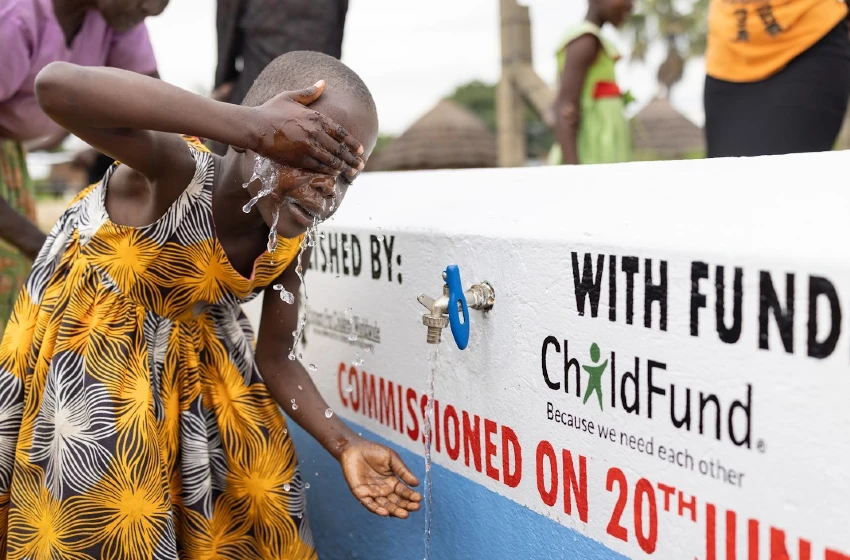
The impact of clean water in Kapelebyong, northern Uganda
We visited two communities to witness firsthand the difference between those with access to clean...
Taking health care to the last mile
Access to healthcare remains a significant challenge, especially for people living in rural areas. Many...
Improved water access boosts health, education and safety in Acowa
For years, children like Dorothy walked long distances and spent hours at crowded boreholes, missing...