

Resilient Livelihoods Project
Overview
Objectives
Donors
Key Partners
Districts
Impact
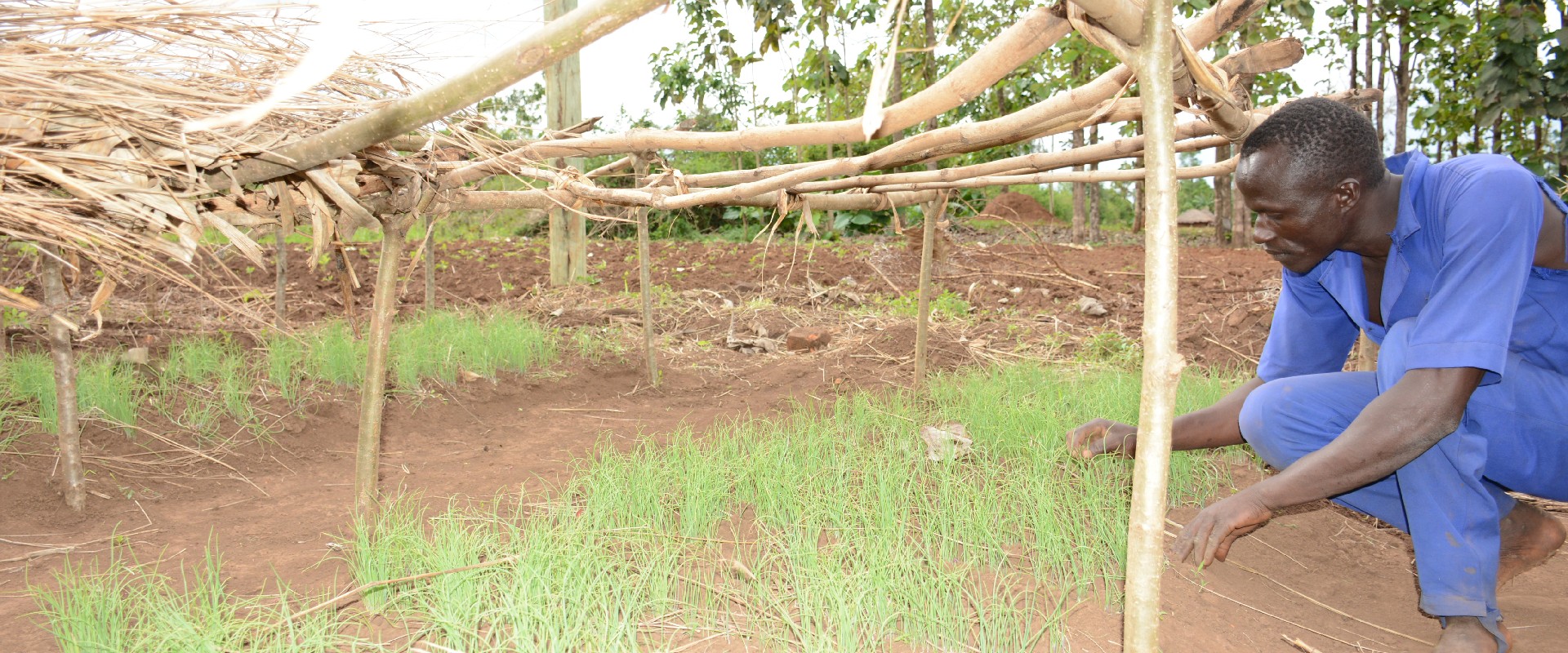
This project ran for three years and was implemented in the Teso and Lango sub regions. It aimed to tackle elevated rates of youth unemployment, insufficient household income, food insecurity and environmental degradation through the implementation of climate resilient agriculture and vocational skills development. The project was designed to benefit a total of 800 farming households and 400 youth across four districts.
- 800 farming households practicing environmentally friendly and disaster resilient sustainable livelihood methods.
- 400 vulnerable unskilled youths practicing environmentally friendly and disaster resilient sustainable livelihood methods.
- 4 target districts have integrated Disaster Risk Management (DRM) budgeting into their development plans as a result of joint advocacy activities between the project and established DRM structures.
- 4 sub-districts have integrated DRM budgeting into their development plans as a result of joint advocacy activities between the project and established DRM structures.
Learn More: https://www.bmz.de/en
- Grain Pulse Ltd
- Busitema University (Arapai Campus)
- Lango Child and Community Development Federation
- Partners for Children Worldwide
- District Local Governments of Dokolo, Katakwi, Amuria and Serere.
- Katakwi
- Amuria
- Serere
- Dokolo
- 61% adoption rate of Climate-Smart Farming among 840 households, with significant crop yield improvement, highest in Dokolo (84%).
- 84% gainful employment rate among 400 youth apprentices.
- 37% increase in average monthly income among 400 trained youth
- First time Disaster Risk management (DRM) Contingency plans developed and integrated into district budgets of Amuria, Katakwi, Dokolo and Serere.
- Over 65% of the trained households adopted use of energy saving stoves.
Latest News
Related Resources
Contact Us
For more information, please write to:
SHARE VIA:


