


Moses Otai
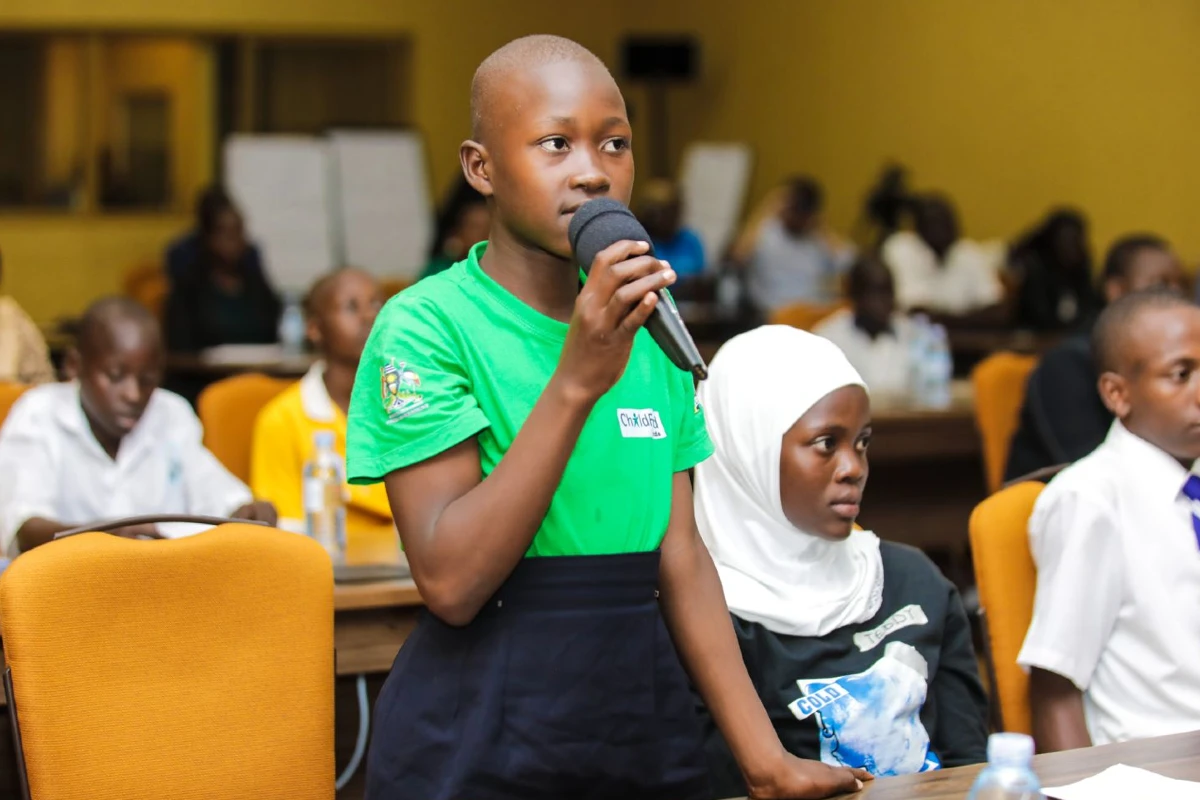
Faith speaking during the recent SDG summit at the CommonWealth Convention centre in Munyonyo.
Elevating Children and Youth Policy at NAM and G77 Summits: A Priority Amidst Geopolitical Governance
The Year 2024 has begun with a beehive of activity. Uganda is taking the lead in hosting significant conferences involving decision makers in their respective nations’ governance spheres. Initially, the Speakers and Presiding Officers of the Commonwealth gathered to discuss policy matters and enjoy Uganda’s hospitality, amidst experiencing the country’s beauty and grappling with challenges such as poor roads, traffic congestion and inadequate waste and environment management practices.
The Rt Hon Speaker shared insights from the discussions, highlighting agreements on issues like further democratization, human rights and knowledge exchange. Uganda is now preparing for two major conferences -The Non-Aligned Movement (NAM) and the G77+ China Grouping. While many may not fully grasp the significance of these groupings, the focus in communication remains on the country’s readiness and the anticipated benefits, including potential economic stimulation from guest spending and investments made for hosting preparations.
While a crash course in Political Science may not be necessary to comprehend the geopolitical dynamics that led to the formation of these groupings, hosting conferences with delegates from 120/77 countries in Uganda warrants an exploration of our expectations for such significant gatherings. These conferences, regardless of the hosting country, hold the potential to make decisions that extend beyond national borders. In the current global landscape, the world is grappling with a myriad of issues such as conflict, environmental protection/ climate action, youth, governance and technology. For Uganda, these issues directly impact us due to our geographical location, demographic composition and policy decisions, aligning with the concerns of many global South countries, the majority of which belong to the G77 and NAM.
As the country leading the organisation of these conferences, it is imperative for Uganda to articulate its stance and influence global discussions, particularly on pressing issues like the well-being and involvement of children and youth in the face of advancing technology and climate change. Uganda with its youthful population, reflects a broader African narrative. Many global South countries including Uganda are already experiencing the consequences of climate change, coupled with a rapidly growing population, urbanization, informal settlements and youth migration in search of better opportunities in Europe and America via the Sahel region.
In the agenda of the G77 and NAM meetings, it is crucial to prioritise the youth, focusing on their development, civic participation and role in driving digital advancements for future global ecosystems. Discussions should centre around creating opportunities for dignified green jobs linked to the digital economy for a sustainable future. This emphasis on youth-related jobs linked to the digital economy for a sustainable future. This emphasis on youth related topics should complement the traditional geopolitical questions and democratization issues.
Anticipating spaces for meaningful policy dialogues with active participation from young adults is essential. These engagements would not only instill optimism among future generations but also contribute to a clearer understanding of the values and aspirations of G77+China and NAM in the current globalized political system, making them more appealing to those unfamiliar with the history of these groupings. Consequently, it is expected that leadership, starting from the organizing teams and chairs, will purposefully engage in discussions around issues concerning children and youth in today’s world, translating into policy intentions and commitments.
For Ugandan children and youth unfamiliar with the NAM/G77+China conferences, it is crucial for the media to play a supportive role by facilitating communication, explanation and promotion of these events. Upon reviewing mainstream media, it seems that there is a lack of deliberate action by media houses to shape the narrative and focus on specific core themes that would benefit the country as the host. This presents an opportunity to take the initiative in shaping the narrative, particularly regarding the children and youth agenda, promoting dignified and green jobs for young adults and addressing actions related to technology and the digital economy, where significant opportunities exist for the youth, including our GEN Z.
While discussions about the advantages of hosting these conferences often center on the economic infusion, there are broader, long-term benefits beyond financial gains. These conferences can influence key decisions that shape the policy agenda of countries, especially in critical areas such as dignified employment for youth, addressing modern day exploitation through illegal migrant labour, climate action, harnessing technology for smart jobs and economic growth, inter/intra-regional trade and collaboration in research and innovation among other topics.
In this context, the media plays a critical role as a link in highlighting these issues. While not everyone may have access to the Munyonyo Conference Centre, the media possesses the necessary infrastructure to ensure that the right people are targeted to provide accurate information and suitable channels are used to relay this information to the public.
This also presents an opportunity to establish a clear understanding of the historical and future role of these groups, emphasizing their relevance to current and future generations, including the young generations and current GEN Z. by doing so, future focus and enthusiasm can be cultivated for similar conferences when the country hosts them in the years to come.
First published in the New Vision
SHARE:


