

Persons with disabilities equipped with green skills for sustainable income
March 18, 2026
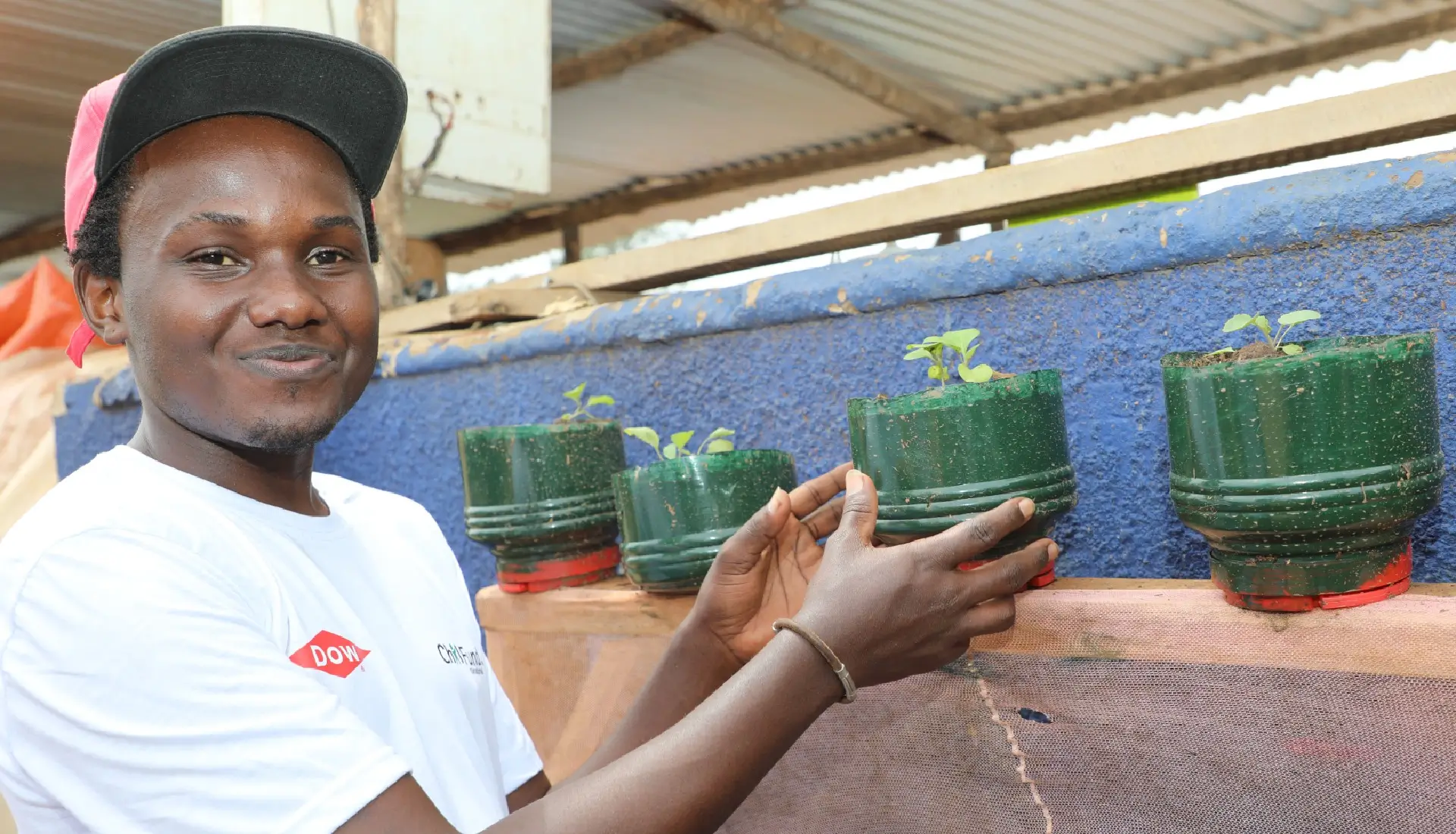
Elvis, 24, demonstrates how to grow sukuma wiki in a small space.
In a deliberate effort to expand opportunities for inclusion and sustainable livelihoods, ChildFund, in partnership with Dow Chemical, is equipping youth with disabilities in Kampala with practical skills in the green economy while amplifying awareness of their rights.
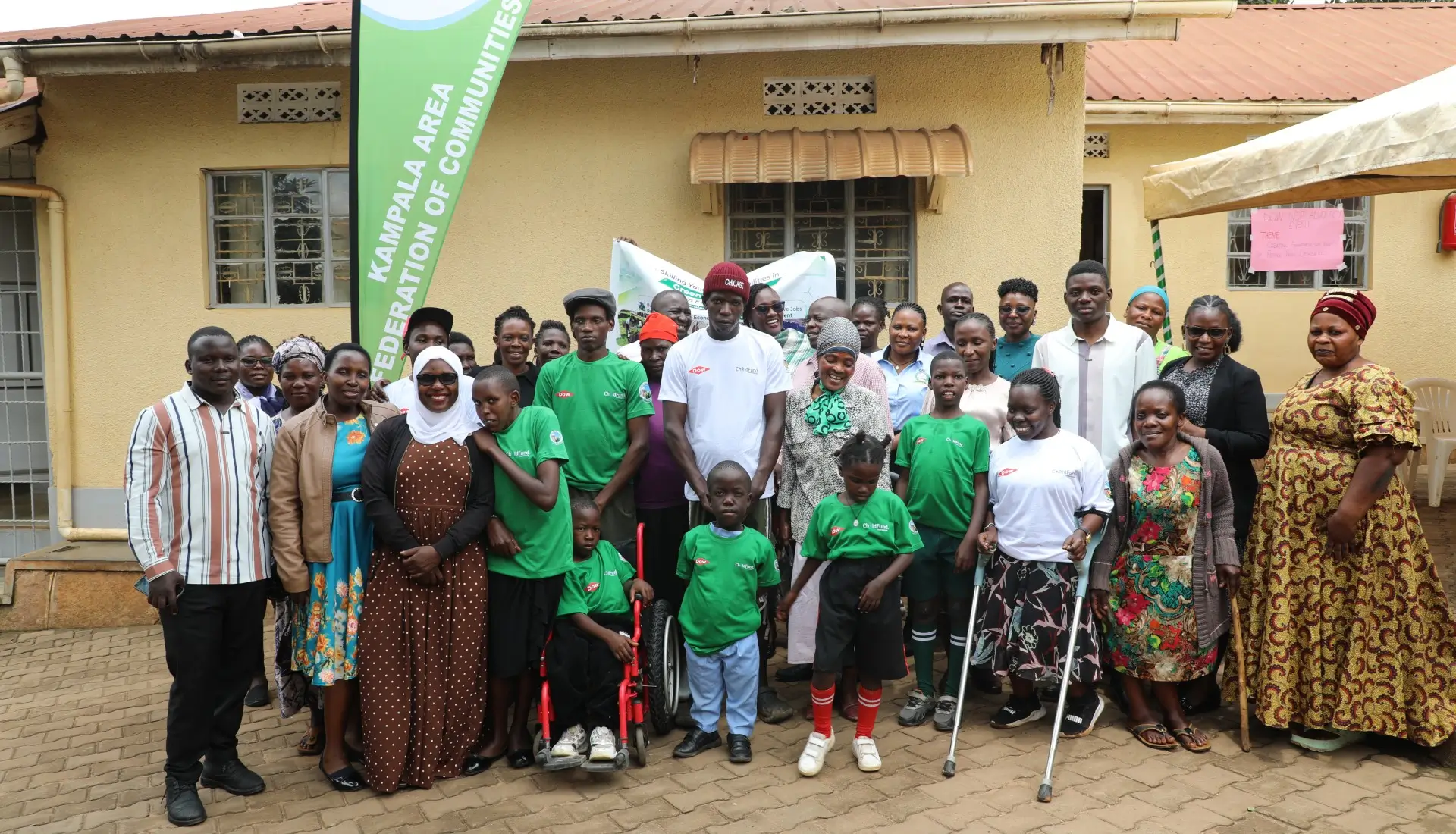
The six-month initiative, implemented together with our local partner, Kampala Area Federation of Communities (KAFOC), is targeting youth across Nakawa, Makindye and Rubaga divisions, with a focus on improving household incomes and addressing persistent stigma and exclusion.
At a recent stakeholder engagement meeting, local leaders, including Local Council chairpersons, Community Development Officers and Youth Officers, emphasized the urgent need to create inclusive opportunities for persons with disabilities (PWDs). Participants highlighted various livelihood pathways that PWDs can tap into, while calling for an end to negative stereotypes that continue to limit their potential.
“Try to shun the negative talk. We have people who have emerged as strong leaders despite their challenges,” said Lydia Nabunya, the program manager KAFOC.
She explained that as part of the skilling component, youth were trained in backyard gardening and agribusiness practices, including soil preparation, nursery bed management, transplanting and innovative urban farming methods such as using bottles and sacks for planting.
The participants also visited the Kampala Capital City Authority agribusiness centre in Kyanja, where they gained practical knowledge in record keeping, financial literacy, saving and the production of organic fertilizers.
Each participant developed business ideas ranging from grocery enterprises and restaurants to retail shops, with a strong emphasis on green jobs. To support immediate application of skills, the youth received seedlings including onions, sukuma wiki, eggplants and kale, carefully selected for their short maturity period of about two months.
Beyond skills development, the project is also tackling the social barriers faced by PWDs. Ruth, 23, highlighted the challenges of limited access to inclusive learning environments, assistive devices and employment opportunities.
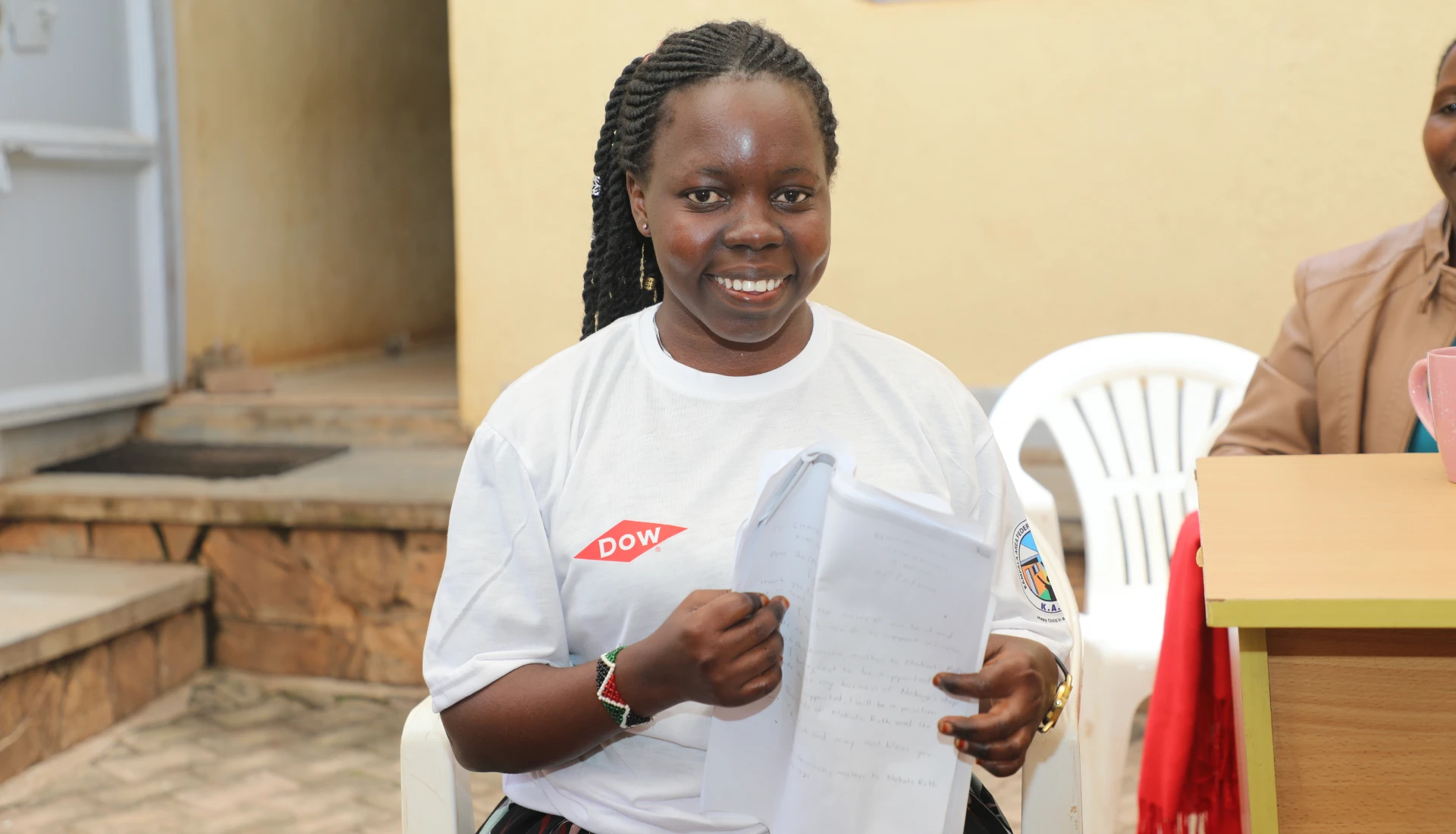
“Some people have a negative attitude towards us. That is why they shut us out of workplaces and training spaces. As a result, we rarely secure meaningful jobs and often end up economically dependent,” she said, adding that harmful stereotypes continue to isolate many persons with disabilities.
Another participant, Gloria, expressed concern over the ridicule and abuse that PWDs often endure, while Dorothy Nansubuga, a parent of a child with cerebral palsy, spoke about the high cost of care.
“I spend about Sh50,000 on treatment. When you find someone who eases that burden, you do not take it for granted,” she said, expressing gratitude for the support.
Margaret Nazziwa, a Community Development Officer in Namugongo, shared her personal journey of overcoming stigma. She recalled how she once hid her disability but has since embraced it with confidence.
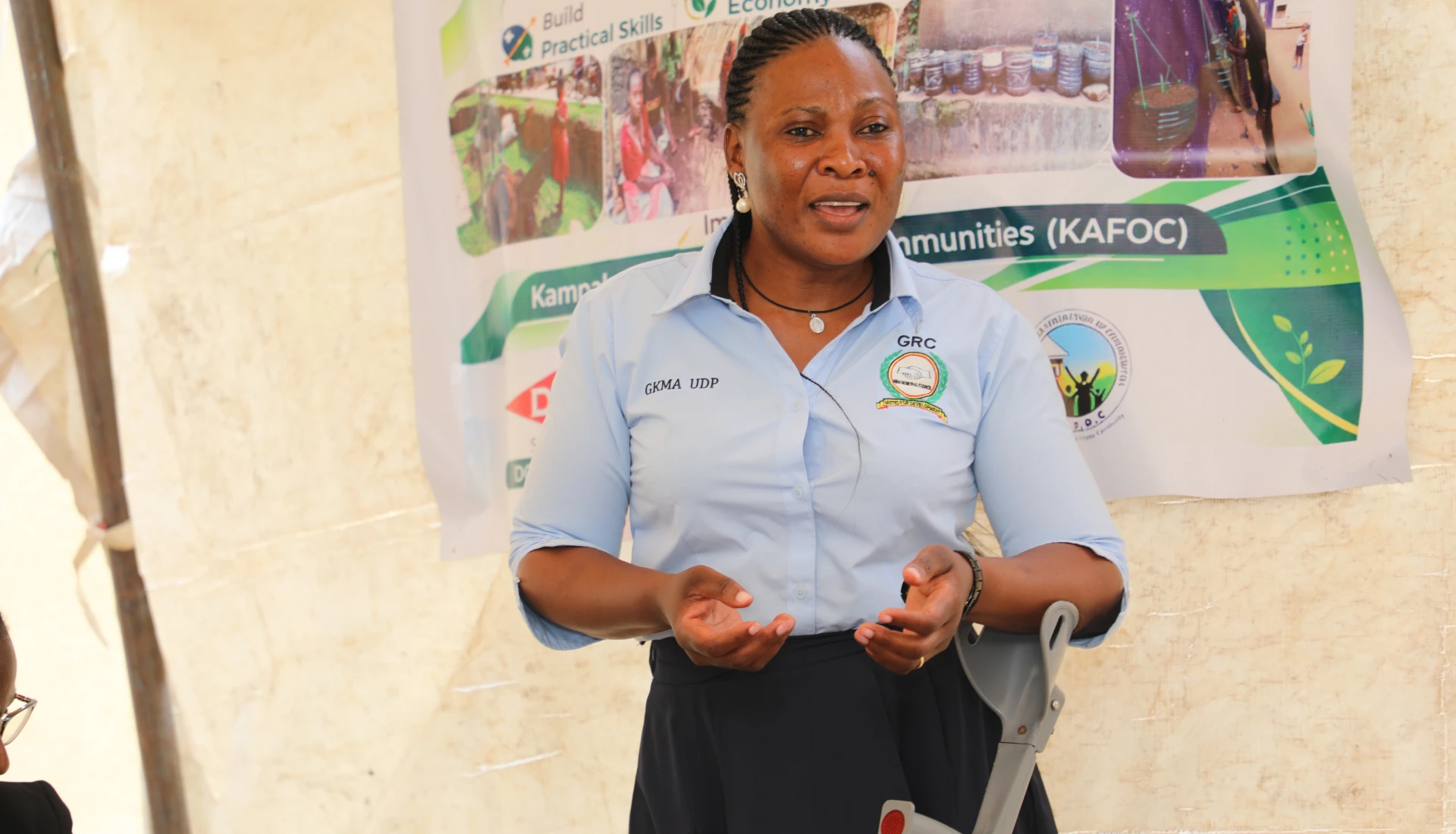
“The reality of stigma is real, but with awareness and support, people can learn to accept themselves and thrive,” she said.
The project aligns with Uganda’s National Development Plan III and the revised National Policy on Persons with Disabilities (2023), which seek to address vulnerability and exclusion. It aims to increase household income for participating youth by 30 percent while strengthening community awareness of disability rights.


Related Resources
Are we creating opportunities to meet the aspirations of the youth?
In this thought-provoking conversation, Jenner Kanalo, Senior Livelihood Specialist at ChildFund, and Samuel Kasirye, a...

Opening of classroom blocks and central farm in Palorinya Refugee Settlement
Watch the official commissioning of new classroom blocks and The Central Farm under our Integrated...

Experts and stakeholders weigh in on the ILEAP project
The Integrated Livelihood Education and Protection (ILEAP) Project is a holistic approach that brings together...