Working towards Zero Hunger and Stronger Livelihoods.

Food insecurity remains a critical challenge in Uganda, undermining the health, safety, and development of children and their families. As of August 2022, 48% of the population was experiencing moderate food insecurity, and 11% faced severe food shortages (World Bank, 2022). Limited access to food and income has pushed vulnerable households—particularly women and girls—into high-risk coping strategies. During the height of the COVID-19 pandemic, communities reported a rise in early sexual activity among adolescent girls and transactional sex among women, as families struggled to meet their most basic needs.

ChildFund’s programs directly address these risks by improving food production for both household consumption and income generation, while strengthening families’ ability to earn sustainable incomes, meet their basic needs, and reduce reliance on negative coping mechanisms, especially for children.

Recognizing the strong connection between food and nutrition security and access to financial resources, ChildFund applies integrated, locally tailored approaches that strengthen household and community capacity across the four global pillars of food security—availability, access, utilization, and stability.

Our Impact

Facts and  figures from 2024 data.

Our Approach

Consequently, we have developed sustainable solutions to improve livelihoods and food security, leveraging our deep-rooted community engagement to increase crop production by yield per acre. We bring extensive technical experience accumulated over 20 years of applying Farmer Field School and Graduation Models in the implementation of Food Security and Nutritional programs to ensure an increase in the number of households that can afford at least 3 meals a day, engage in economic activities to diversify their income and protect food reserves against sale for cash Our established partnerships with key stakeholders such as National Agricultural Advisory Services (NAADs), Agricultural Training Institutes, District Local Governments, and Universities- further ensure we can contribute effectively to quality project management. ChildFund is an active participant in Uganda’s Livelihoods Technical Working Group, ensuring alignment with national priorities and collaboration across sectors.

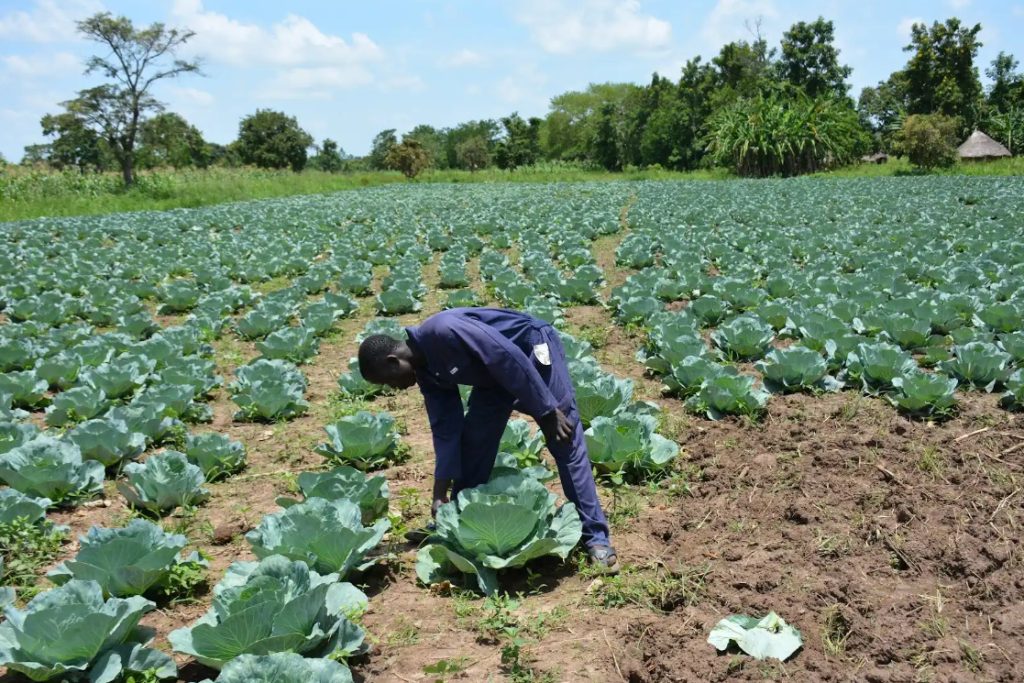
Agriculture is still the backbone of Uganda’s economy and ChildFund’s contribution towards national development is through Climate sustainable farming approaches, thereby helping smallholder farmers to improve animal and crop yields and quality, in a balanced ecosystem. Learn More

 To support smallholder farmers, ChildFund, in partnership with the Ministry of Agriculture, Animal Industry and Fisheries provides training in sustainable farming practices, business management, and financial literacy. We also supply essential resources, including seeds, tools, and livestock, to help strengthen agricultural and economic activities.

Our programs focus on improving nutrition through school feeding initiatives, nutritional education especially for pregnant and lactating mothers, and the promotion of kitchen gardens, all aimed at enhancing dietary diversity and reducing malnutrition.

 In times of crisis, ChildFund takes a proactive approach to assess and support households struggling to secure food. Through our safety net program, we provide immediate assistance, ensuring families have access to vital nutrition during emergencies.

In partnership with local organizations, ChildFund connects farmers to both local and regional markets, helping them sell their produce at fair prices. We provide critical market information, and establish direct connections between farmers and buyers to ensure fair trade.

Through income diversification, savings groups, and community-based disaster risk reduction strategies, we support families to withstand environmental shocks and build sustainable livelihoods.

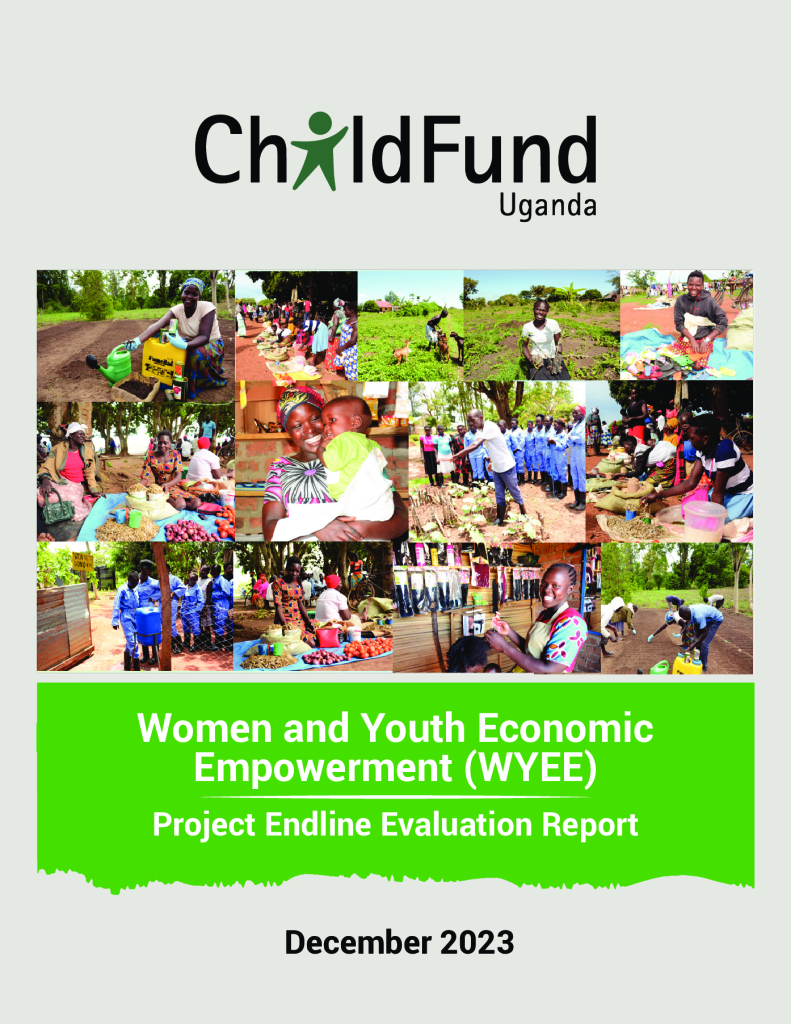
Our livelihood programs aim to enhance the economic well-being of youth, their families and communities. To achieve this, the country program provides entrepreneurship training, offers startup capital for economic ventures, promotes financial literacy and supports youth-led initiatives that boost household income and foster financial independence.

Featured Project

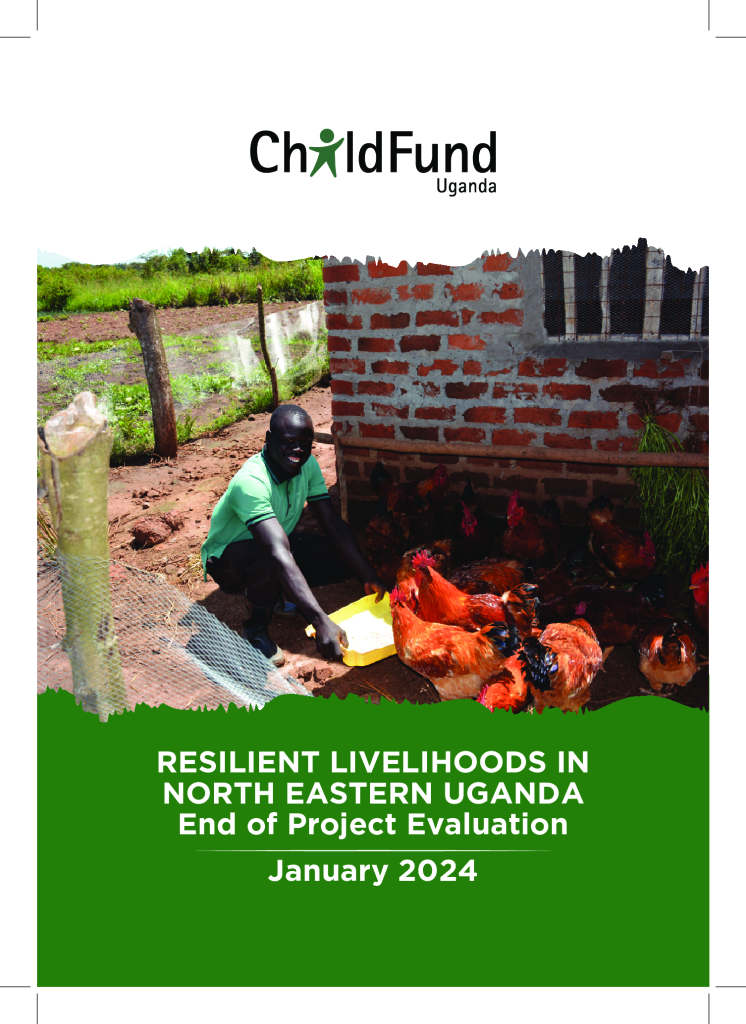
Feeding the future: Youth championing smart farming in Dokolo District

Faced with the growing threat of environmental degradation, and high youth unemployment in North-Eastern Uganda, this project set out to build community resilience and sustainable livelihoods. Funded by BMZ, the initiative trained 847 farmers (54% male, 45% female) on smart agricultural techniques, leading to a 61% adoption rate of smart farming practices and significantly higher crop yields—reaching 84% in Dokolo district.

To support long-term resilience, the project strengthened the capacity of four district disaster management committees and trained 36 farmer groups in the production of energy-saving stoves. Over 20,000 trees were planted, contributing to environmental restoration efforts. The project also tackled youth unemployment head-on, equipping 400 young people with vocational skills. As a result, 63% of participating youth are now gainfully employed, and households recorded a 37% increase in average monthly income.

What's New?

  • All Posts
  • Child Protection
  • Child Sponsorship
  • child-protection-front
  • Climate Action
  • Early Childhood Development
  • Education
  • Emergency Response
  • Environmental Sustainability
  • Expert Views
  • Food Security
  • Front Page
  • Health & Nutrition
  • Localization
  • News & Stories
  • Press Releases
  • Water, Sanitation & Hygiene
  • Youth Development