

How ChildFund supports communities gain access to clean water
March 22, 2023
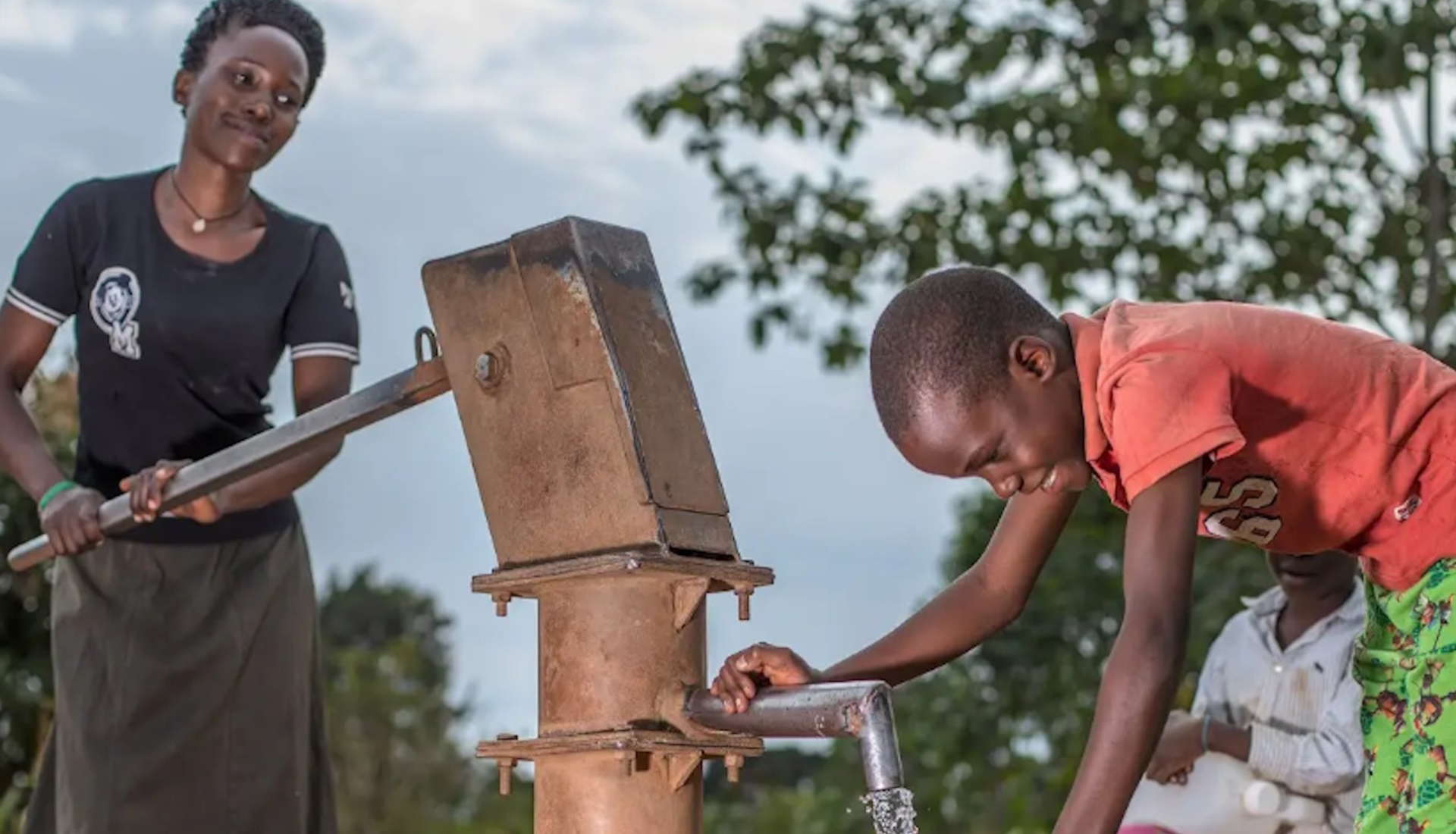
Milly and son draw water from a nearby source.
Did you drink a glass of fresh water today? They say life starts with water. But do you know that we still have people within our midst who lack access to clean and safe water?
Saban, a resident of Mazimasa Community in Butaleja district says diarrhoea was predominant in the area because most residents used to consume contaminated water.
That is not all. He adds that they trekked several kilometers in search for water for domestic use. This however is no more.
Today, their village boasts of a borehole that was constructed by ChildFund Uganda in collaboration with its local partner, Mbale Area Federation of Communities (MAFOC).
The borehole now serves over 1,000 households in Mazimasa.
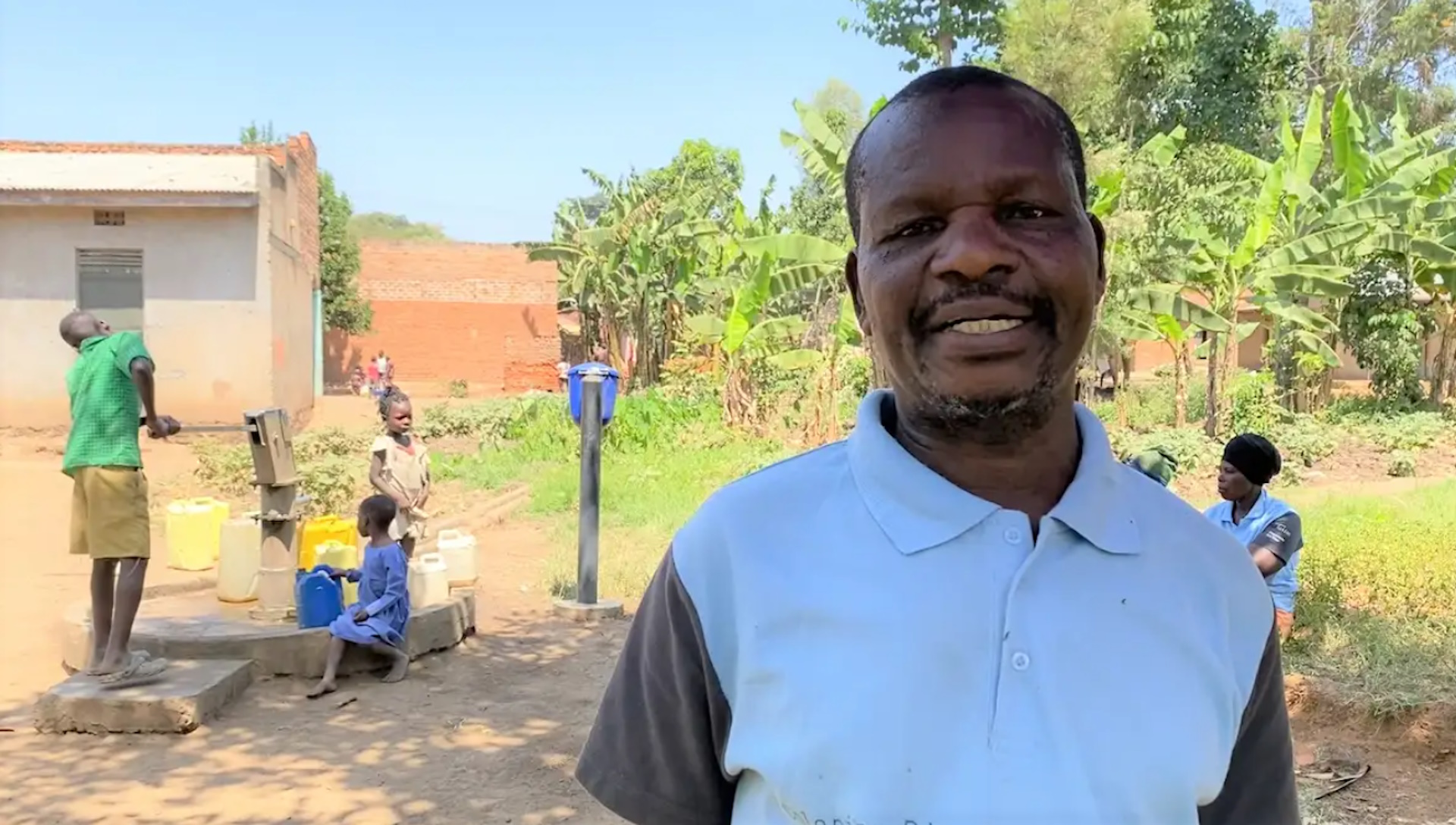 Saban speaking behind the newly constructed bore hole.
“We thank ChildFund for providing us with safe and clean water. We used to struggle diseases like diarrhoea because we were taking contaminated water but this is no longer the case,” Saban says.
The problem
Today, 1 in 4 people (approximately 2 billion people worldwide) lack safe drinking water, according to 2021 statistics from the World Health Organization and UNICEF.
The United Nations marked March 22 as a day to commemorate World Water Day. The day highlights the importance of fresh water and is commemorated to advocate for the sustainable management of freshwater resources.
The intention is to inspire people around the world to learn more about water-related issues and to take action to make a difference. The day also brings to light the inequality of access to Water and Sanitation services and the need to assure the human right to water and sanitation.
ChildFund’s approach to increasing access to clean and safe water
ChildFund, working with its partners, acknowledge the need to increase access to water sanitation and hygiene and that is why it has scaled up interventions to promote access to safe and clean water as well as improved hygiene and sanitation.
In 2024, ChildFund with funding from Proctor and Gamble, trained a total of 250 village health teams in WASH and integrated community case management of early childhood illnesses. The VHTS were able to monitor household hygiene, sanitation and have advised communities on child nutrition and wellbeing.
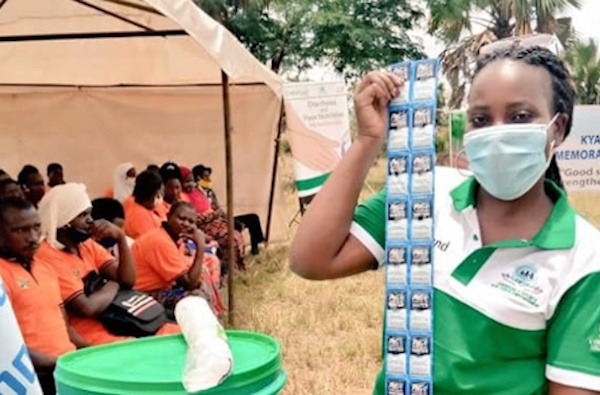
ChildFund distributed over 2.9 million water purification sachets to 8,000 households and 27 primary schools in Kyankwanzi district, reaching a total of 37,000 community members and 9,000 pupils respectively.
A total of 7 boreholes were constructed at severely constrained facilities. These included 2 boreholes constructed in health centres, two in schools and three in communities. Additionally, 24 schools were supported with hand washing facilities to promote desired hygiene practices in schools.
To ensure sustainability, water user committees and four hand pump mechanics were trained on maintenance and repair of safe water sources.
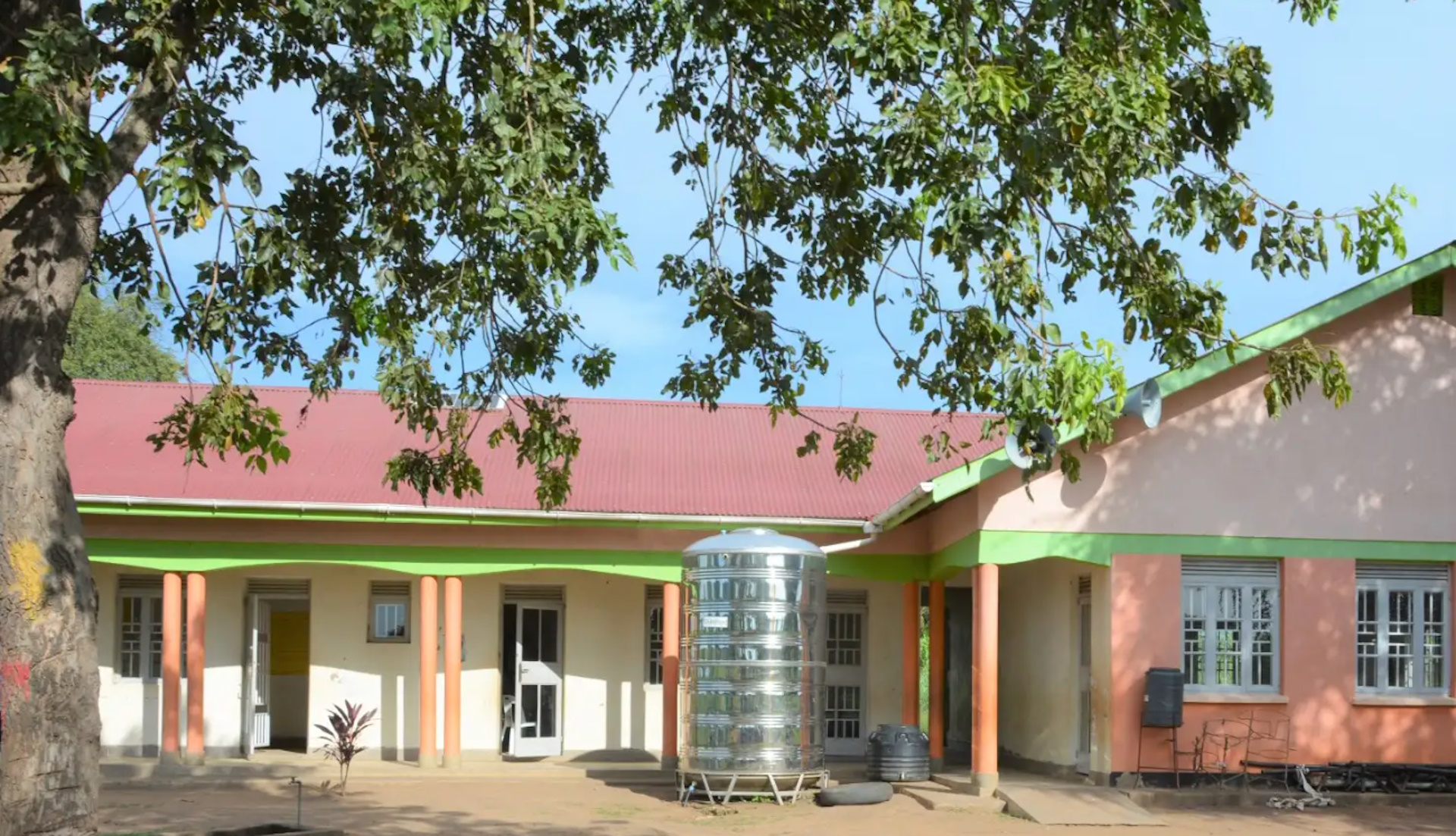 Water tanks are good water storage facilities.
In commemoration of the World Water Day, ChildFund instituted household competitions aimed at promoting positive hygiene and sanitation practices. The winning households in each village were rewarded with a 5,000- litre capacity water tank to enable them harvest rainwater for domestic use.
SHARE:


Related Resources

A backpack innovation supporting children carry less and learn more
Until recently, fetching water was one of the hardest parts of Samuel's day.
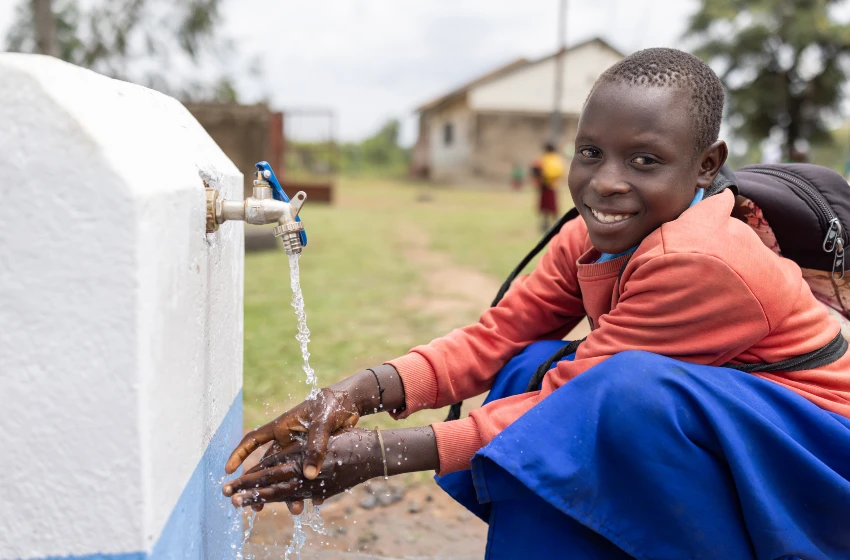
Improved water access boosts health, education and safety in Acowa
For years, children like Dorothy walked long distances and spent hours at crowded boreholes, missing...
ChildFund, CECE move to address challenges of clean water in Kyankwanzi district
ChildFund and its implementing partner Community Efforts for Child Empowerment (CECE) have pledged to continue...