

Agnes is weaving for change, one thread at a time
November 16, 2023
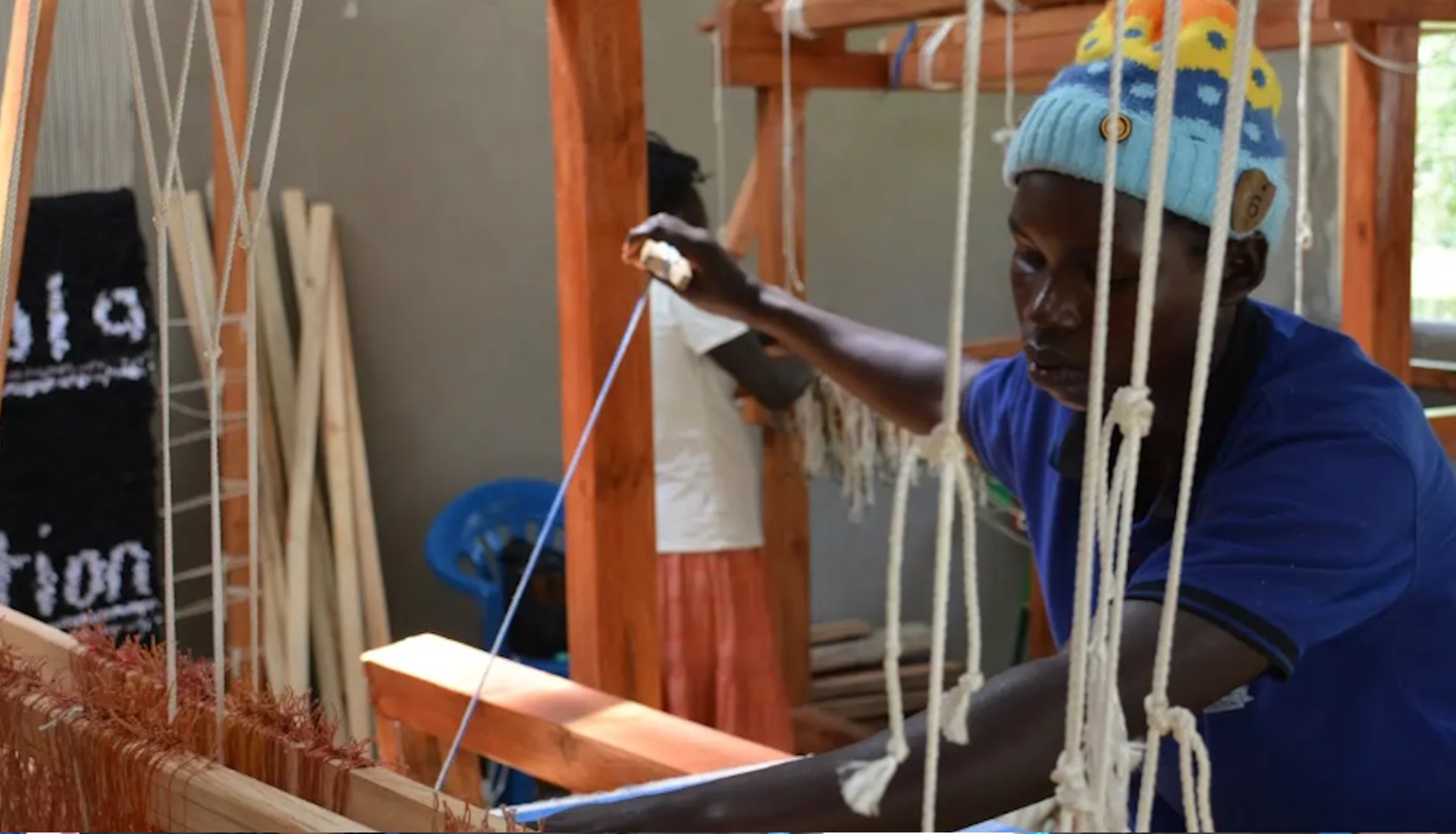
Agnes weaves matts from threads.
Meet our champions Agnes, 20 and Mary, 18 who have mastered the art of weaving using the handloom.
A handloom is a simple weaving machine that is operated manually to create fabric by interlacing threads.
If you have seen or bought those beautiful carpets and table mats made of fabric, they are certainly woven using the handloom. The handloom has been used for centuries as a traditional method of textile production, and it continues to play a significant role in many cultures around the world.
The girls have learnt how to make a range of items from carpets, to table matts and even designer shirts. Weaving a complete set of table matts for instance fetches them sh60,000 ($15 ) while carpet prices range from sh50,000 ($13) onwards according to sizes.
“Before I learnt this skill, life was initially hard. I am however glad that I was selected among the many girls to benefit from this program. I can now ably take care of my family,” Agnes, from Ajaki Parish, Apeduru Sub County testifies.
Mary on the other hand advised girls to take on such opportunities, learn the skills and utilise them to better their lives.
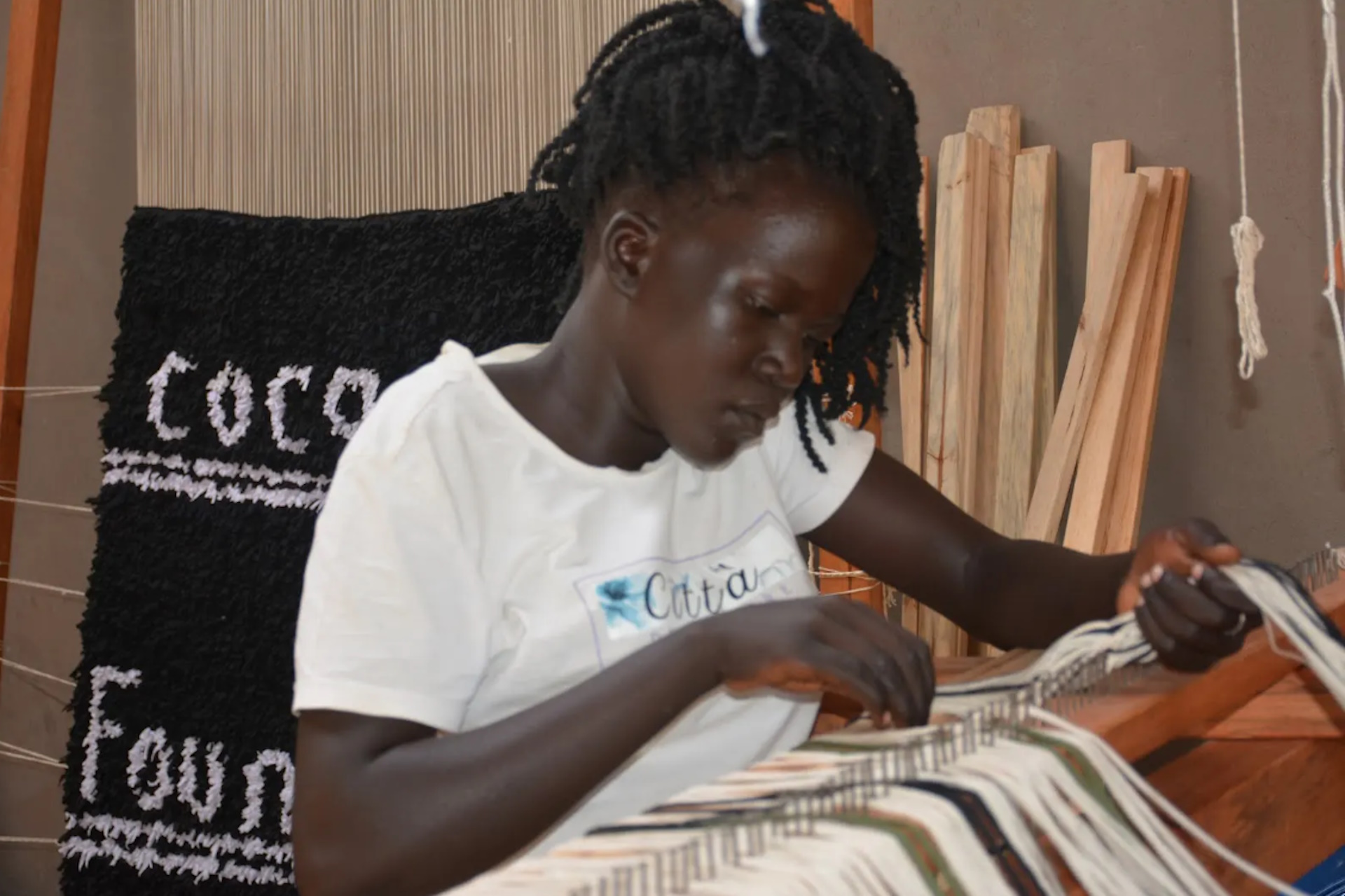 Mary weaving.
Some of the benefits of the Handloom include the environmentally friendly nature. Weaving using this machine requires less energy compared to large-scale automated weaving machines. It is often considered more sustainable and environmentally friendly, as it reduces the carbon footprint associated with the production of textiles.
It is also used to create a wide range of fabrics, including cotton, silk, and wool. The versatility of handloom weaving allows to produce textiles with different textures and properties. But also, one can play around with designs, colours and patterns. Artisans can experiment with various combinations to create distinctive and personalized textiles that may not be easily replicated by mass production methods.
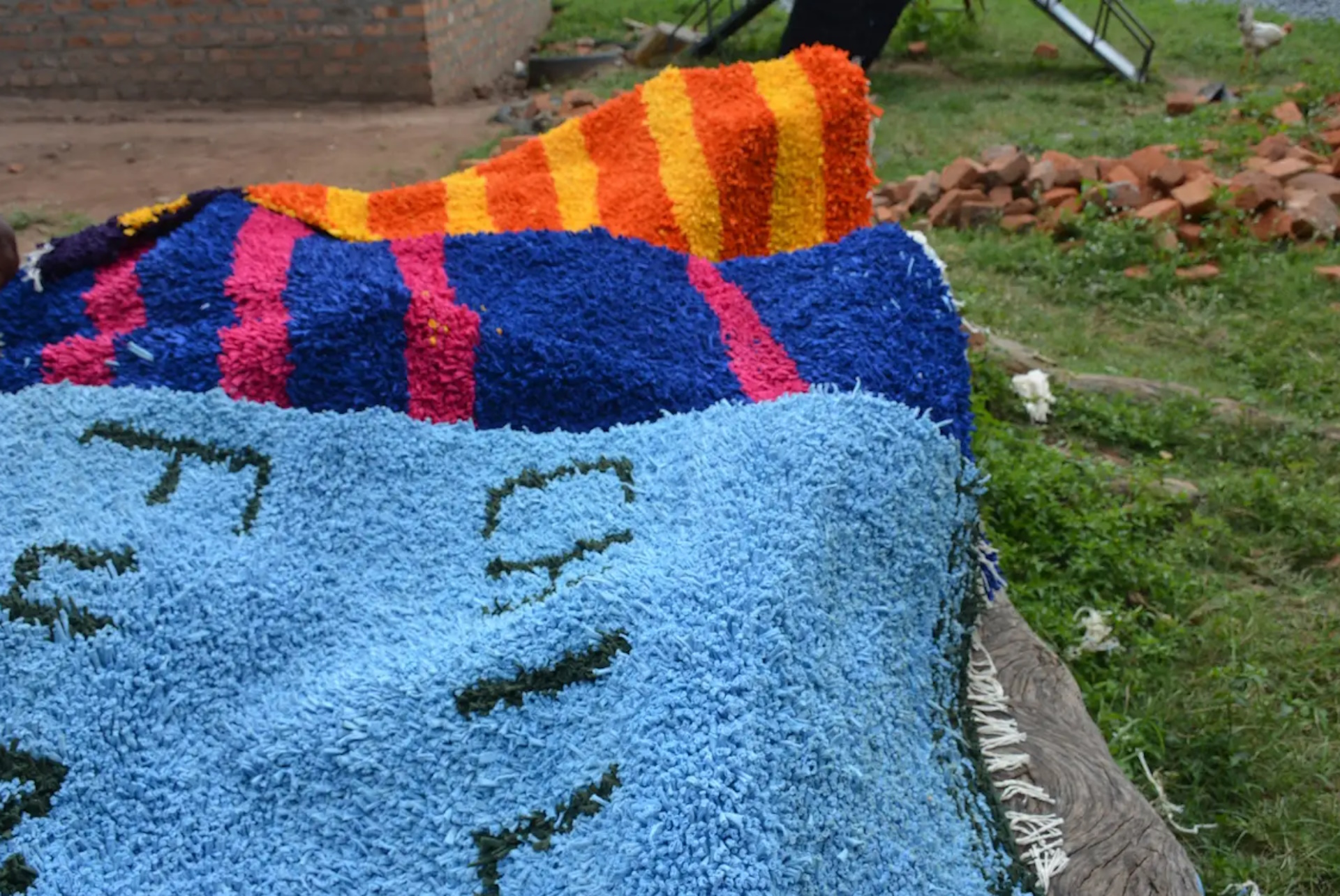 Some of the carpets made by the girls.
ChildFund, working closely with our local partner, Partners for Children Worldwide in the Teso Sub Region, implemented a 15 months project dubbed the Women and Youth Economic Empowerment funded by The Coca Cola Foundation to respond to low household incomes, environmental degradation and unemployment among youths and teenage mothers.
The handloom was one of the unique initiatives that was set up in the Achowa Community in Amuria district to support youth to obtain skills in weaving. The handloom industry provides employment opportunities for a significant number of people, particularly in rural areas. It supports local economies and helps sustain traditional skills and livelihoods. But also, seeing as it is practiced in community settings, fit helps foster a sense of mutual support among artisans.
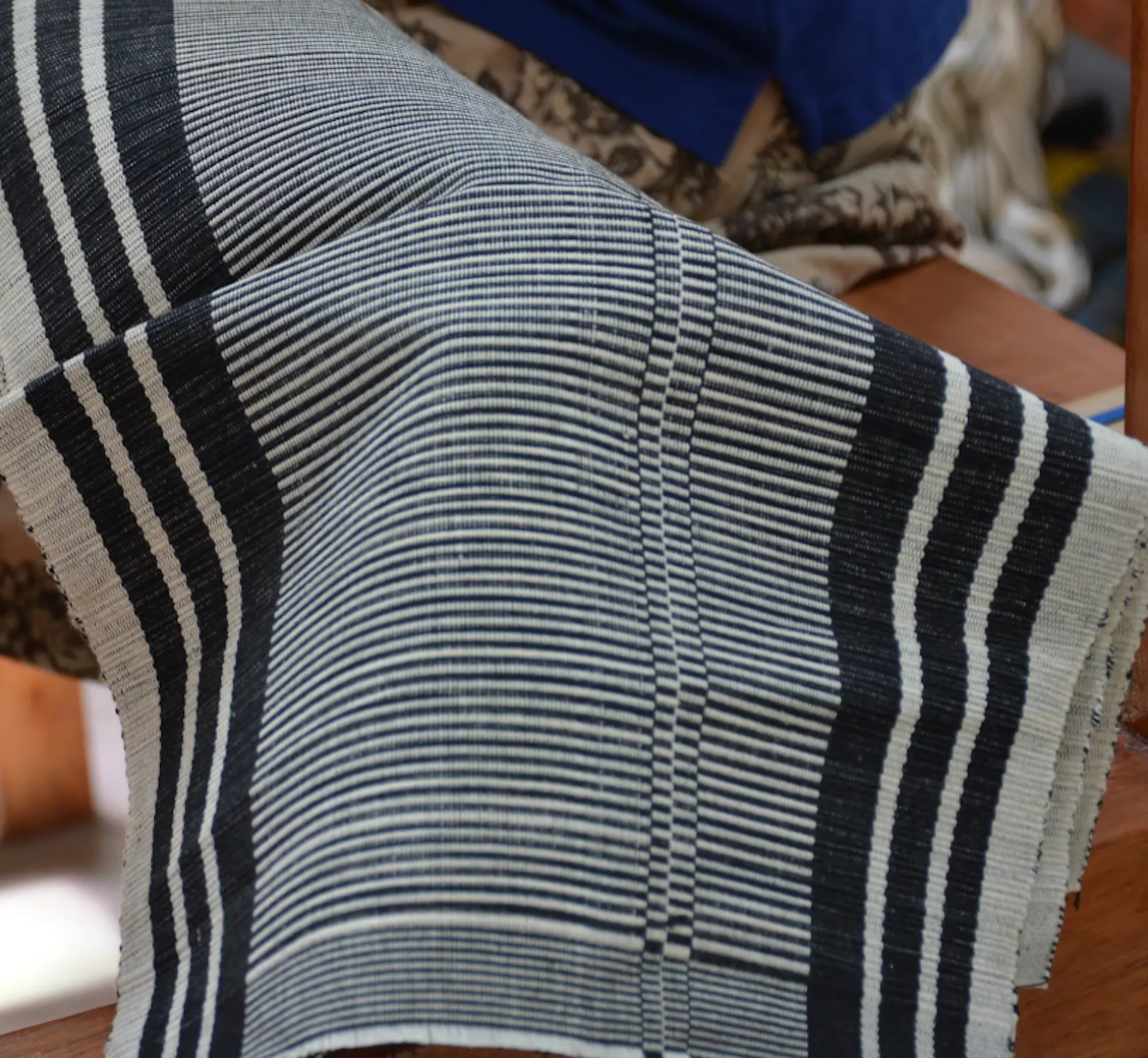 A sample of table matts made by the girls.
Uganda has the second youngest population in the world, with over 78% of its citizens below the age of 35, a figure projected to double within the next 25 years (UNICEF).
To bridge this gap, ChildFund implements programs that equip young people with both technical (hard) skills and essential soft skills needed for career success. These interventions are delivered in partnership with the government’s TVET (Technical and Vocational Education and Training) program and the private sector, ensuring youth are well-prepared to contribute meaningfully to Uganda’s economic growth.
In the last financial year, a total of 495 youth attained vocational skilling while 377 were given start up kits. A big proportion of our youth are currently in gainful employment.
SHARE:


Related Resources

Are we creating opportunities to meet the aspirations of the youth?
In this thought-provoking conversation, Jenner Kanalo, Senior Livelihood Specialist at ChildFund, and Samuel Kasirye, a...

Persons with disabilities equipped with green skills for sustainable income
In a deliberate effort to expand opportunities for inclusion and sustainable livelihoods, ChildFund, in partnership...
More youth skilled for work and opportunity
After nearly a year of learning and hard work, 27 young people have successfully completed...