

Education for Protection and Wellbeing (EPW)
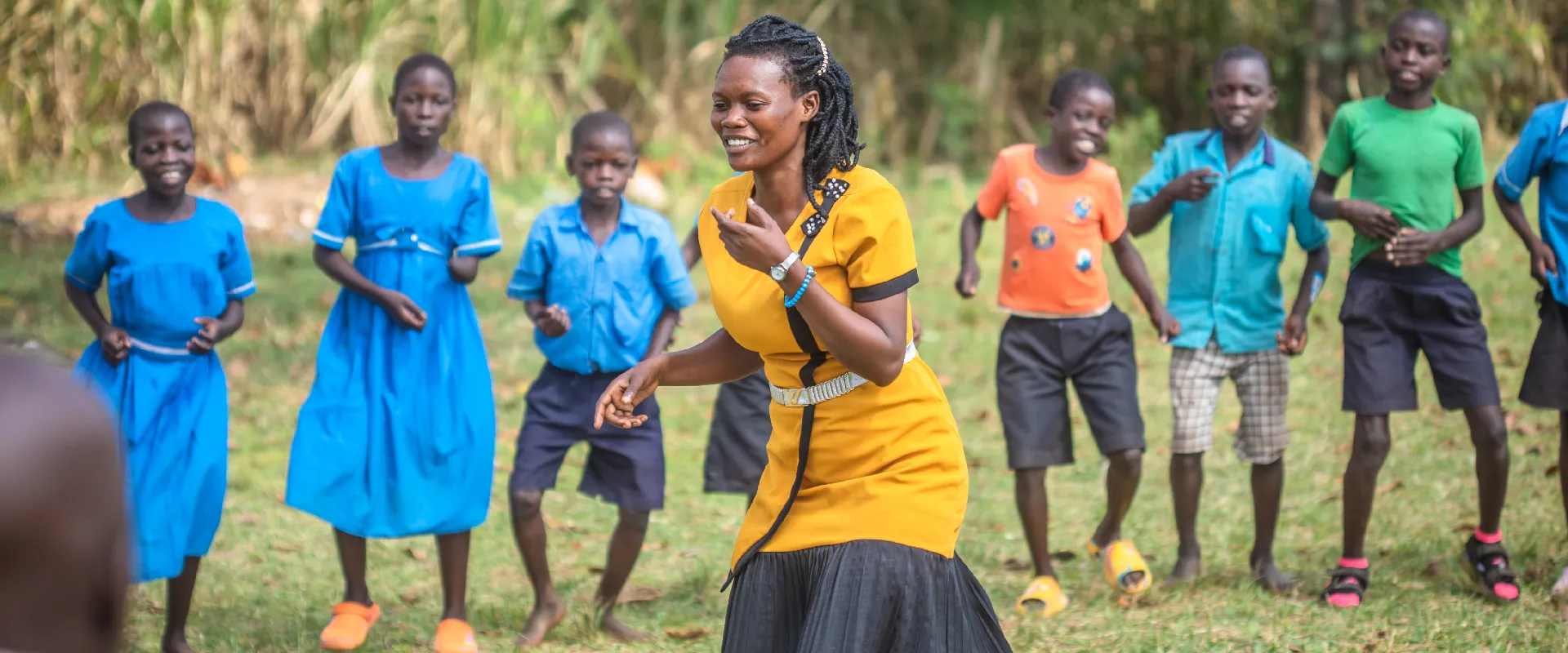
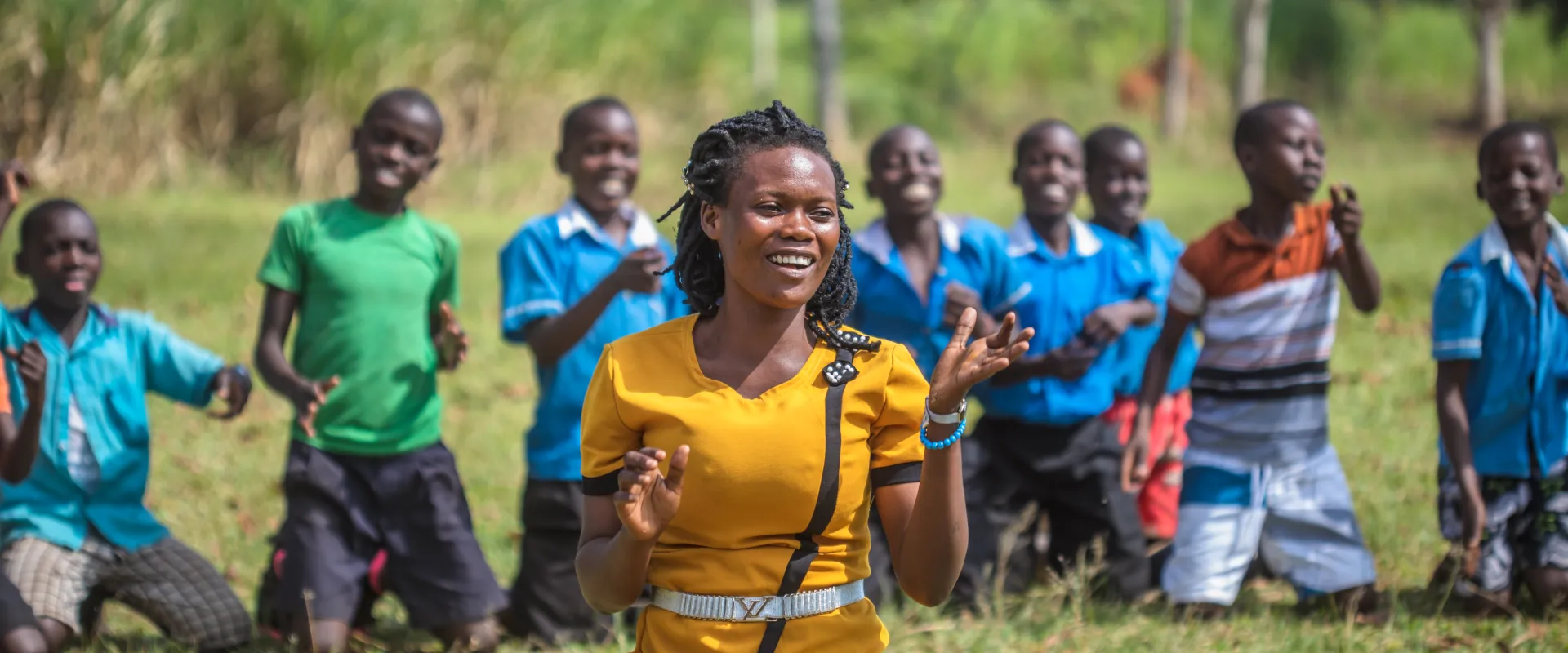
ChildFund’s Education for Protection and Wellbeing (EPW) Model targets children ages 6-12, their teachers and their caregivers, over a two-year period in schools. The EPW model places a strong emphasis on improving relationships within and between levels of the ecological model among children, caregivers and teachers to cultivate physically, emotionally and psychologically healthy environments for children’s well-being and education. The program combines cognitive-behavioural skills training for teachers and caregivers and social-emotional learning and self-protection activities for children. We are currently implementing this project in two schools: Luubu Primary School, Bishop Hannington Primary School all in Mayuge district. The project has since extended to schools in Mbale district.
- Improve knowledge and skills of children to protect themselves and others, reduce aggressive behavior and respond to violence.
- Improve the capacity of educators to promote conditions that generate harmonious and safe school environments.
- Improve caregiver knowledge and skills to reduce parent and child behaviors that lead to violence in the school, home or community at large.
- Improve school-community relationships to reduce and respond to risk factors that lead to violence in the school and community.

- Ministry of Education and Sports
- Bishop Hannington Primary School
- Luubu Primary School
- Local Communities
- Mayuge
- Mbale
Between 2023 and 2024, the Education for Protection and Wellbeing Program implemented in Bishop Hannington and Luubu Primary Schools in Mayuge district achieved the following impact:
-
- Improved social and emotional skills: 70% of pupils strengthened their conflict-resolution abilities, with no gender disparities.
- Enhanced school safety: Safety scores improved from 0.38 to 0.10, and over 70% of learners reported feeling safer.
- Shift toward positive discipline: Acceptance of corporal punishment reduced significantly from 91% to 50%.
- Stronger linkage between learning and protection: Schools became more secure, engaging and nurturing environments for children.
 Happy Rogers
Project Coordinator
Latest News

Education for Protection and Wellbeing: Nurturing safer environments for every child
ChildFund Uganda, in partnership with the Ministry of Education and Sports, local...
Read More
ChildFund partners with the ministry of education to roll out education for protection and wellbeing program
Violence against children remains one of the most serious and pervasive human...
Read MoreRelated Resources

Contact Us
For more information, please write to:
SHARE VIA:


