Select Program
Child Protection
Education
Emergency Response
Youth Development
Health & Nutrition
Food Security
Climate Action
Child Sponsorship
Early Childhood Development
Localization
Environmental Sustainability
Select Type
Capacity Statement
Case Study
Manual, Toolkit or Guide
Policy Brief
Project Brief
Report
Research
Select Year
2026
2025
2024
2023
2022
2021
2020
2018
Select County
All Districts
Busia
Obongi
Amuria
Dokolo
Kaberamaido
Kapelebyong
Katakwi
Kole
Kwania
Lira
Serere
Soroti
Agago
Gulu
Kitgum

2023

ChildFund’s Education for Protection and Wellbeing (EPW) Program Model targets children ages 6-12, their teachers and their caregivers, over a two-year period in schools. The EPW model places a strong emphasis on improving relationships within and between levels of the ecological model among children, caregivers,and teachers.

2018

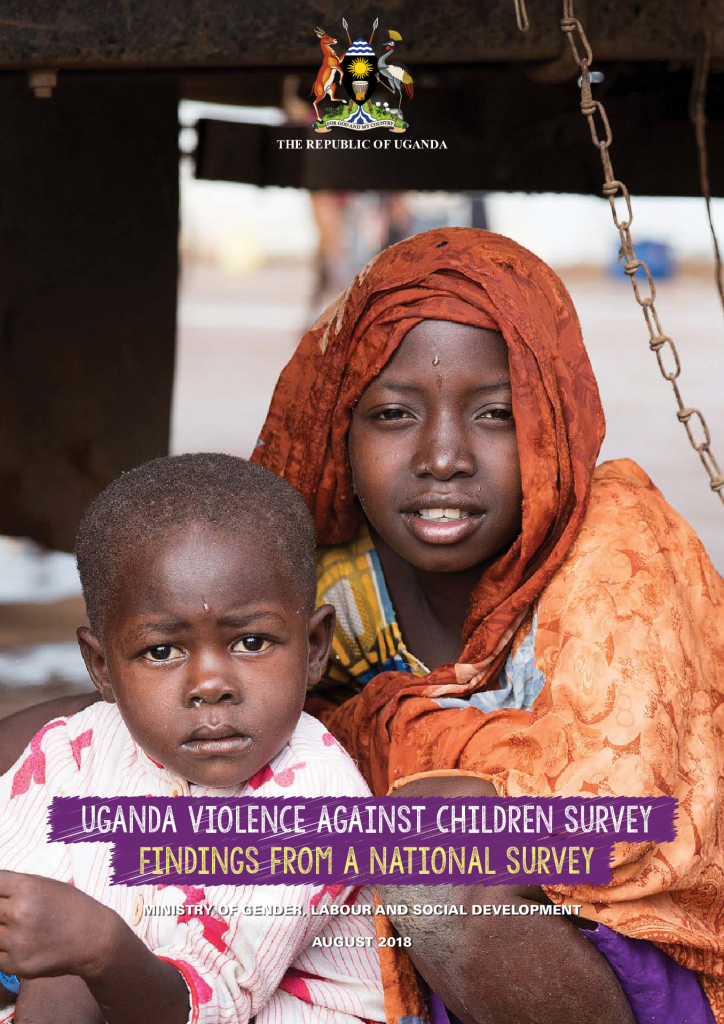
The Uganda Violence Against Children Survey provided critical national and regional data on children’s experiences of violence to guide targeted policy and programming. Conducted with over 5,800 respondents, the survey offered insights into the prevalence, nature and impact of violence against children, thanks to a broad partnership led by the Ministry of Gender, UBOS, ChildFund, AfriChild and other key stakeholders.

2023

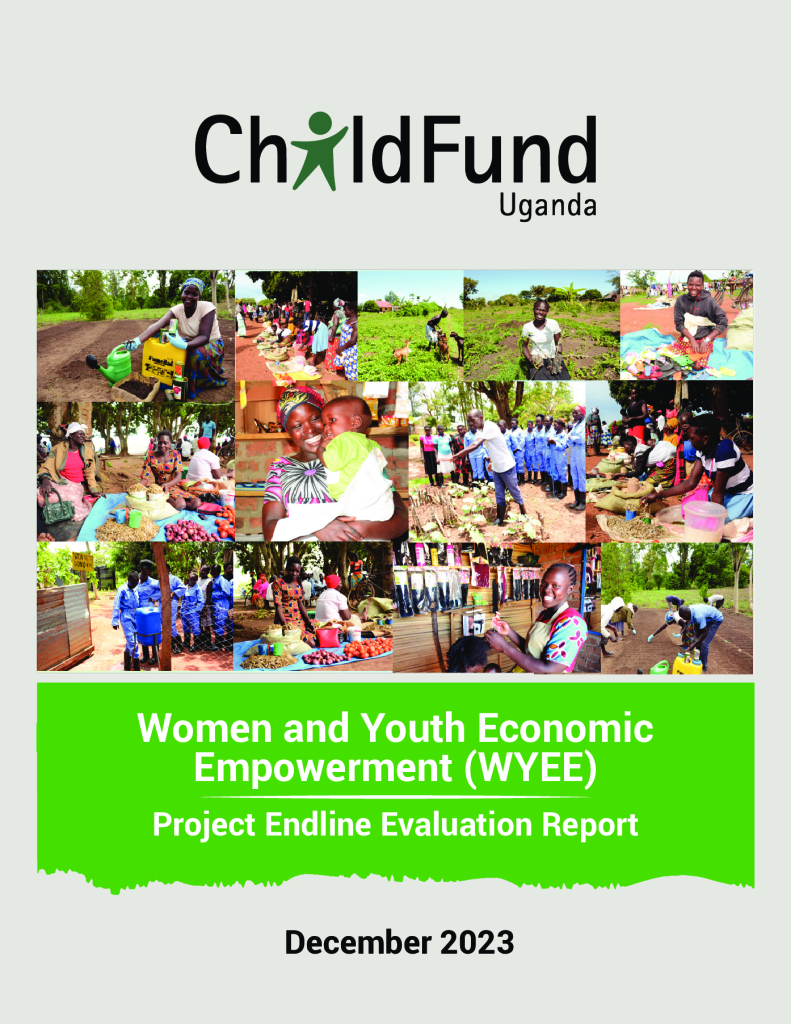
This assessment evaluated the impact and sustainability of a youth and women-focused livelihoods project using digital tools and interviews with 206 respondents. Key findings showed significant income improvements among teen mothers, youth and women rising from as low as $18 to as high as $590 and 97% of participants established income-generating activities, mainly in animal and poultry rearing.

2024

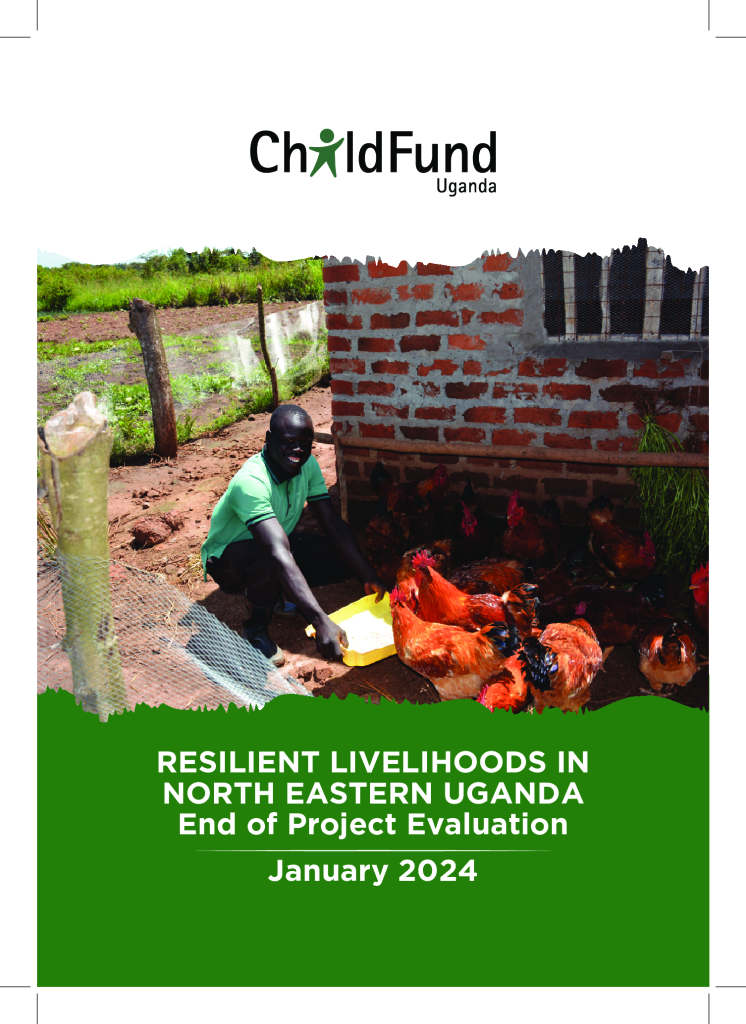
This evaluation report provides insights into the impact of the three-year Resilience Livelihoods Project (2020–2023) implemented by ChildFund, Lango Child and Community Development Federation and Partners for Children Worldwide in northeastern Uganda, revealing increased household incomes for 65% of 8,471 farmers due to improved agricultural practices and enhanced self-employment among 400 vocationally trained youth, despite challenges such as limited capital, market access and livestock diseases.

2023

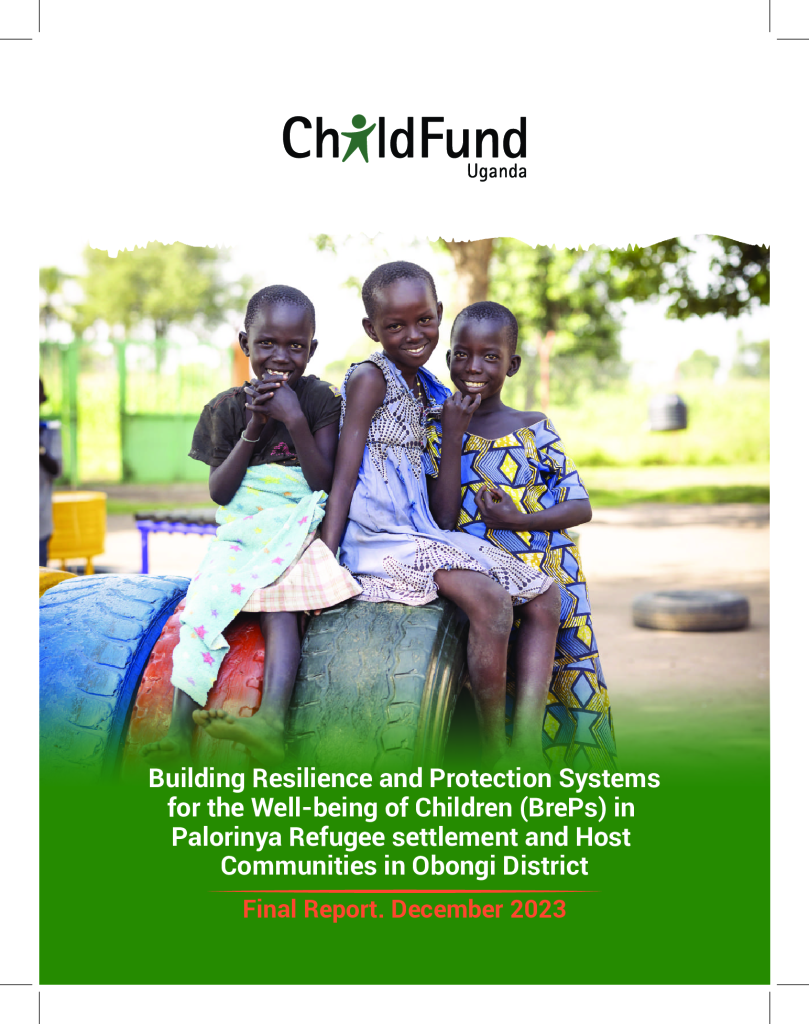
This report highlights the impact of the 1 year and 10 months BRePS project, which strengthened community-based child protection mechanisms in Palorinya refugee settlement, reaching over 6,000 individuals and improving access to child-friendly spaces, child protection services and psychosocial wellbeing. Notably, reporting of child protection cases rose from 52.8% to 61.4%, and community capacity to identify, report, refer, and follow up on risks significantly improved. The project also led to a rise in children reporting feeling safe "all the time" from 7.1% to 24.2%, with increased community knowledge of safeguarding policies and greater collaboration among child protection actors.

2021

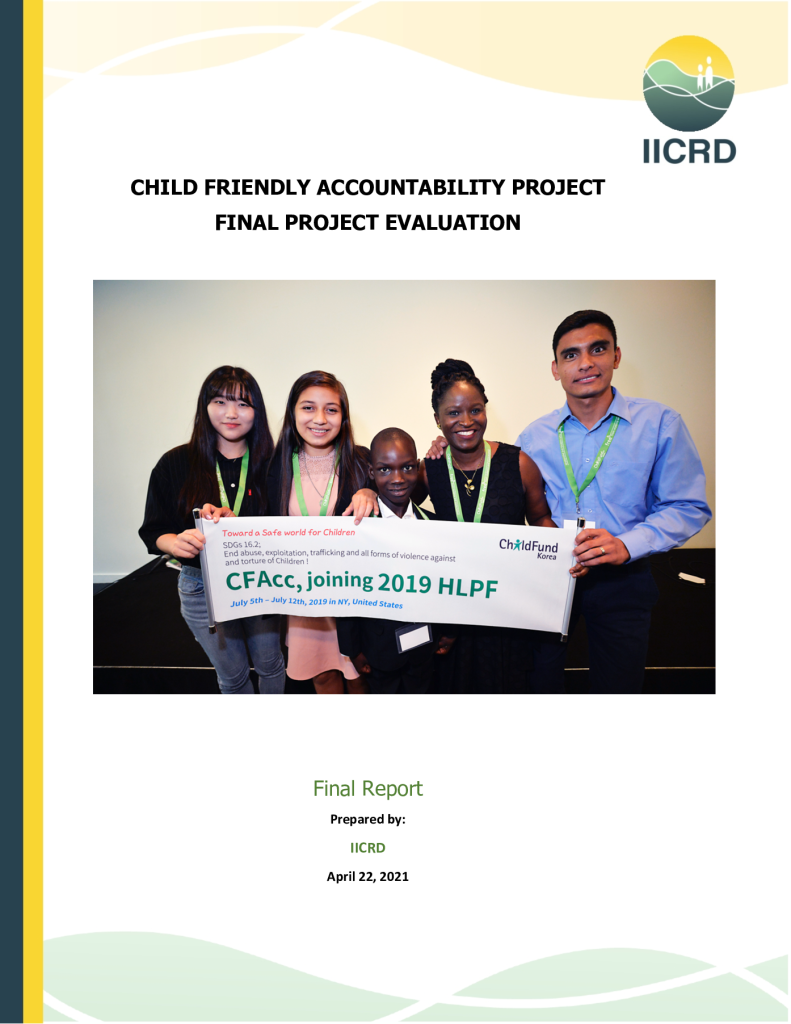
This report evaluates the outcomes of the Child-Friendly Accountability (CFA) project supported by the OAK Foundation between 2019 and 2021, under the broader goal of advancing Sustainable Development Goal 16.2. Led by ChildFund Alliance and implemented in 10 countries, including Uganda, the initiative sought to empower children to engage with decision-makers, strengthen their understanding of child rights and protection systems and improve data sharing through a centralized web-based platform.

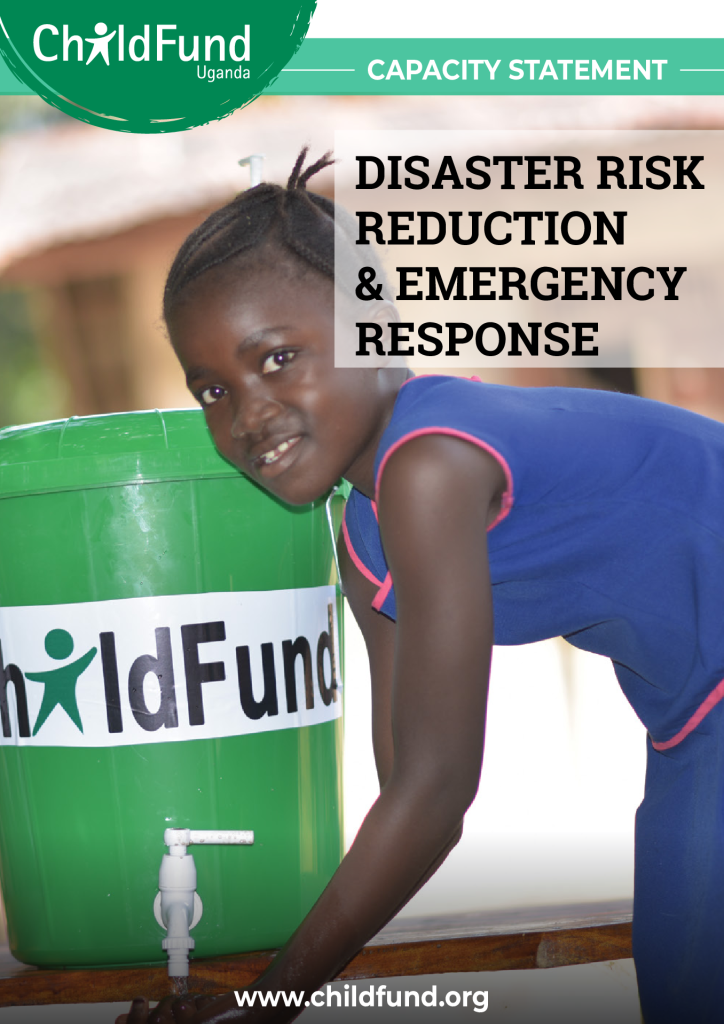
We adopt a multi-sectoral, participatory approach to disaster risk reduction and management, working closely with district teams and communities to assess vulnerabilities and develop action plans from national to village level. Through community engagement, awareness campaigns and capacity strengthening, local leaders and focal persons are empowered to anticipate, prepare for and respond to disasters. ChildFund supports district DRR structures with updated knowledge, training and communication tools and regularly maps community vulnerabilities to ensure effective, inclusive and informed disaster preparedness and response.

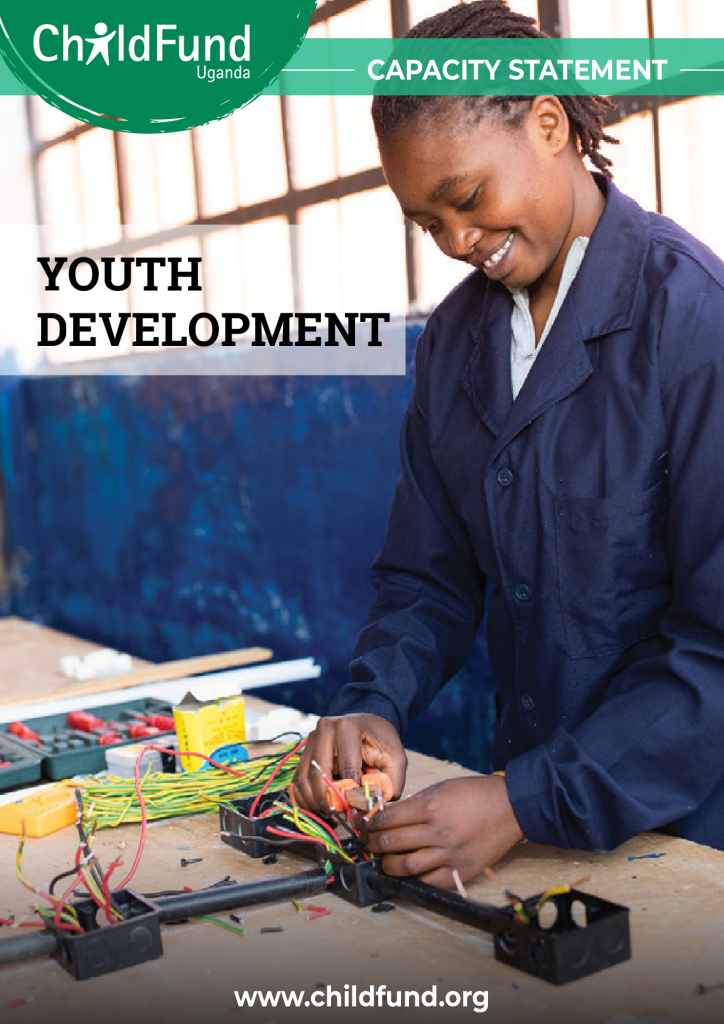
ChildFund supports youth through a range of models that promote skills development, voice, and meaningful participation. The Artisan Model connects youth with skilled local artisans for hands-on training and mentorship, while the Institutional Model supports those eligible for formal training in accredited institutions. The Space, Skills and Voice Model equips youth to identify challenges, develop solutions and engage duty-bearers, ensuring their voices are heard. The Youth-Adult Partnership Model fosters collaboration between young people and adults, blending youth energy with adult guidance to drive inclusive community development and recognize youth as equal partners in progress.