

2026
ChildFund works with various corporate partners in Africa to turn environmental, social, and governance (ESG) investments into measurable, lasting impact for children and families. Beyond addressing immediate needs, our approach strengthens local systems and structures that communities can sustain, adapt, and grow over time. This publication highlights how these partnerships have delivered practical solutions, strengthened local systems, and supported progress in clean water, education, health, livelihoods, and climate resilience across Africa.
2025
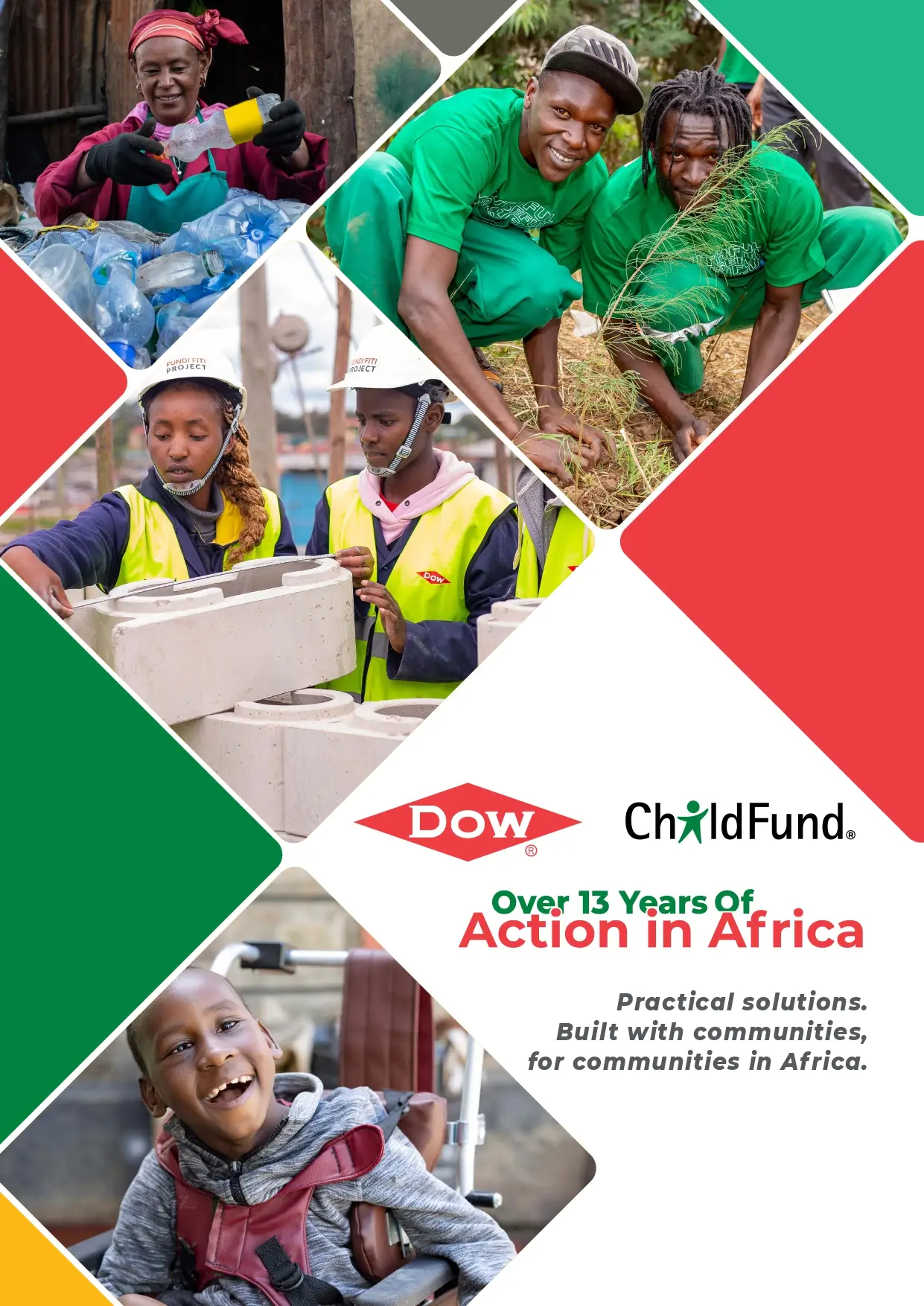
For over a decade, ChildFund and Dow have partnered to address critical challenges facing children, young people and communities across Africa. What began as a waste management initiative in Addis Ababa has evolved into a multi-country partnership spanning Ethiopia, Kenya, Uganda and The Gambia, combining ChildFund’s deep community presence and collaboration with local partner organizations with Dow’s technical expertise to tackle plastic waste, advance climate action, expand economic opportunities for young people, strengthen education systems and improve health outcomes. The partnership has also attracted like-minded partners, including governments, creating opportunities to scale proven solutions, deepen collaboration, and build more resilient communities over the long term.
2024
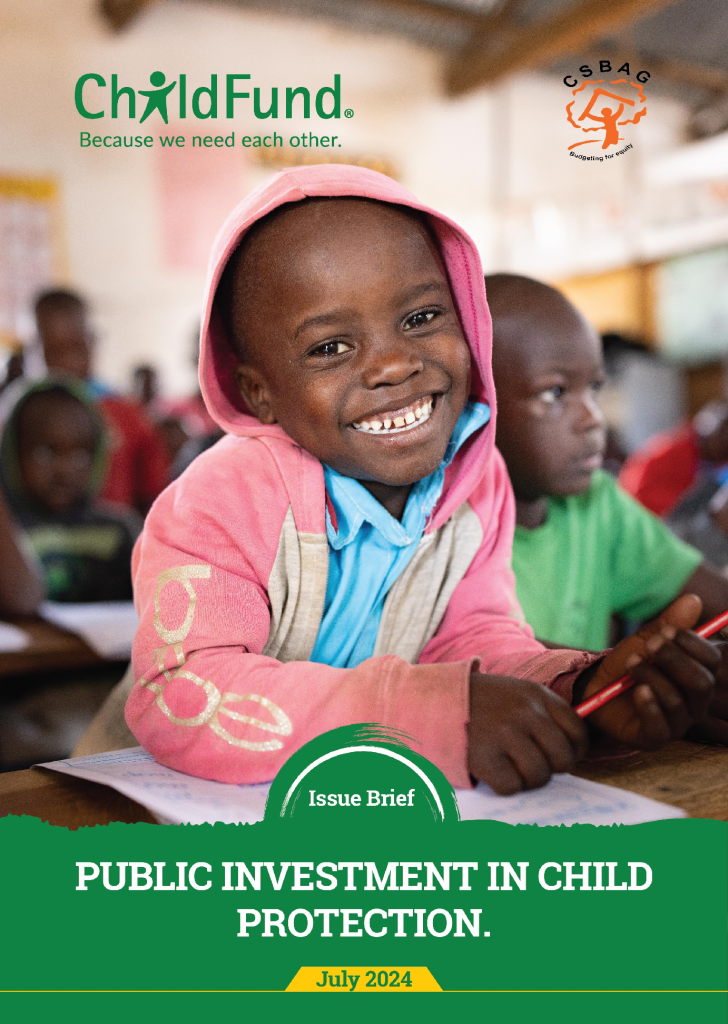
This brief assesses the extent to which the budget addresses the financing needs for child protection in Uganda, by analyzing the sub-programmes that have a bearing on the rights of children under Government programmes such as human capital development and community mobilization and mindset change for the recent national budgets.
2023
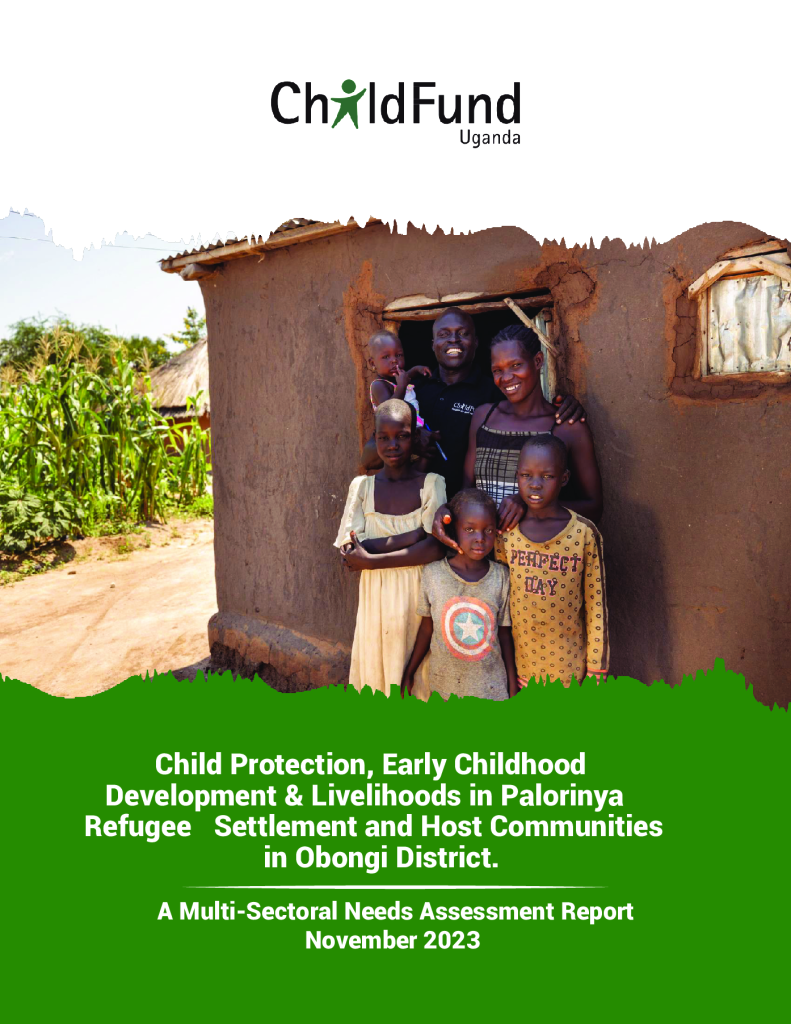
This report presented findings from a multi-sectoral needs assessment in Palorinya Refugee Settlement and host communities in Obongi District, Uganda, which currently hosts over 127,000 South Sudanese refugees. The assessment identified critical gaps in early childhood development (ECD) and livelihood services, including overcrowded schools, inadequate facilities, and low ECD access in host communities. Despite high numbers of working-age adults, 88% of refugee households lack sufficient income, relying mainly on casual labour and selling aid or natural resources. Key livelihood challenges include limited job opportunities, lack of capital, and insufficient skills.
2020
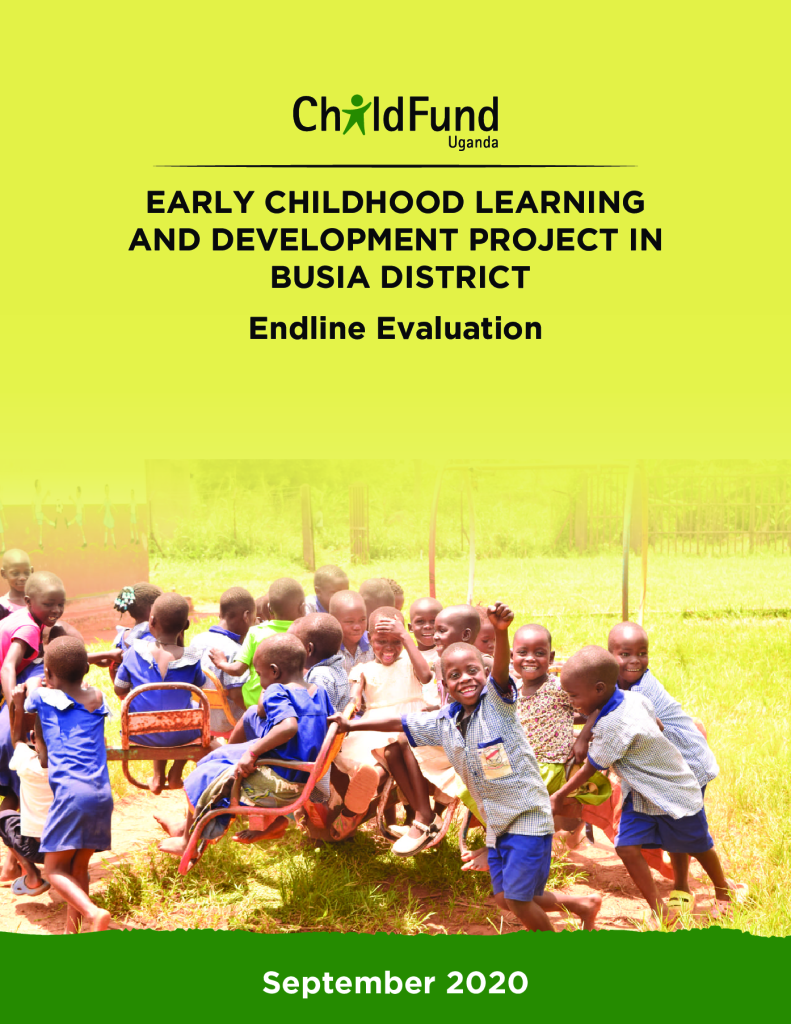
This project aimed to improve Early Childhood Development for children aged 3–8 across 15 ECD centers in five sub-counties. The project focused on strengthening IECD governance structures, enhancing parental awareness on child development and protection, building caregiver capacity and improving learning environments to support children’s smooth transition to primary school.
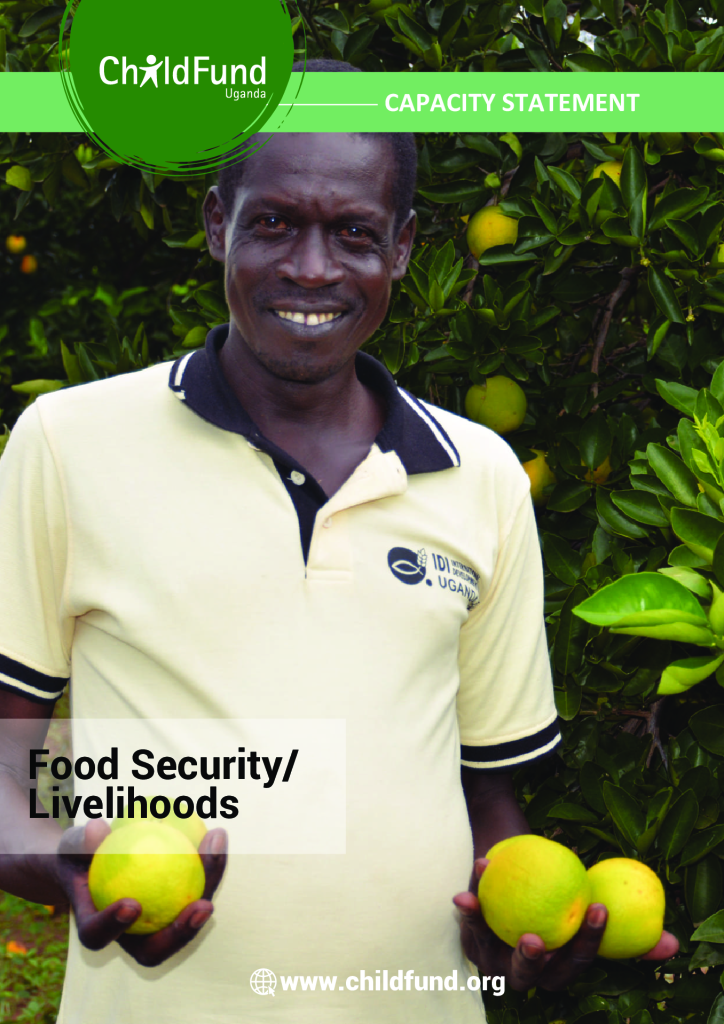
Our nutrition and food security program in Uganda addresses child and family well-being by promoting exclusive breastfeeding, complementary feeding and nutrition assessment. In response to rising food insecurity linked to risky coping behaviors, ChildFund implements sustainable, community-driven approaches to boost household food resilience. Leveraging over 20 years of experience with Farmer Field Schools and Graduation Models, the program enhances crop yields, improves access to diverse diets and supports income-generating activities. Strategic partnerships with NAADS, local governments and universities, along with active participation in Uganda’s Livelihoods Technical Working Group, ensure alignment with national priorities and effective project delivery.
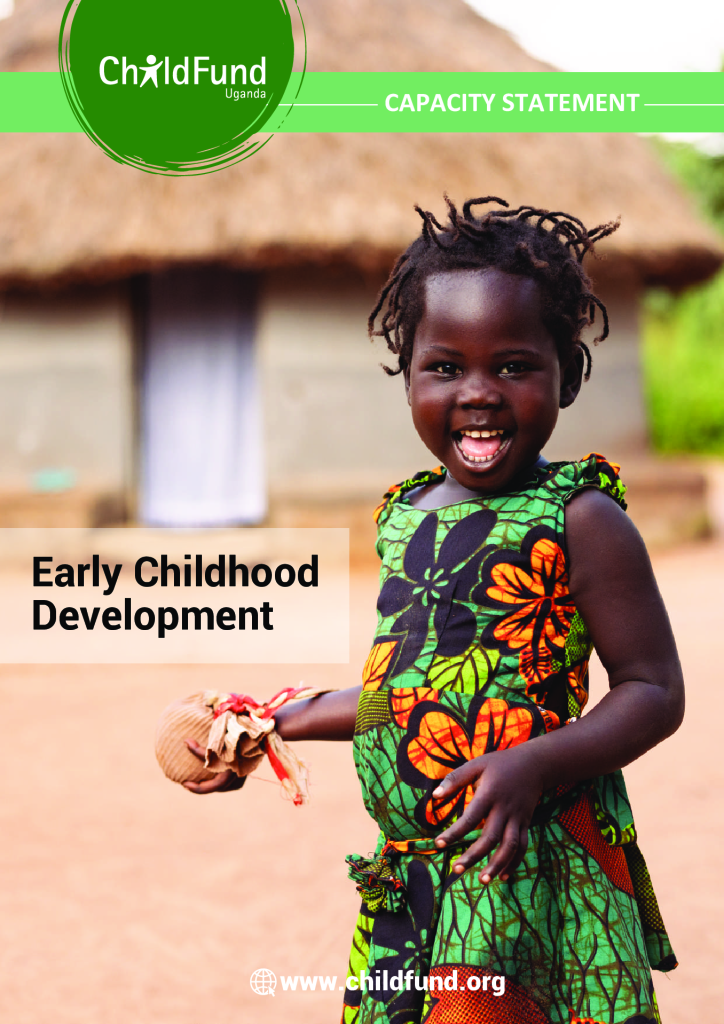
The Early Childhood Development program supports over 80 centers across various regions, reaching 7,920 children with help from 231 trained caregivers. The program promotes both home- and center-based care for children aged 0–5, guided by the National Integrated ECD Policy and Nurturing Care Framework. Using the Responsive and Protective Parenting Model, caregivers are equipped to support children’s holistic development, safety and well-being. Center-based support includes construction, training in play-based learning, provision of materials and caregiver capacity building.
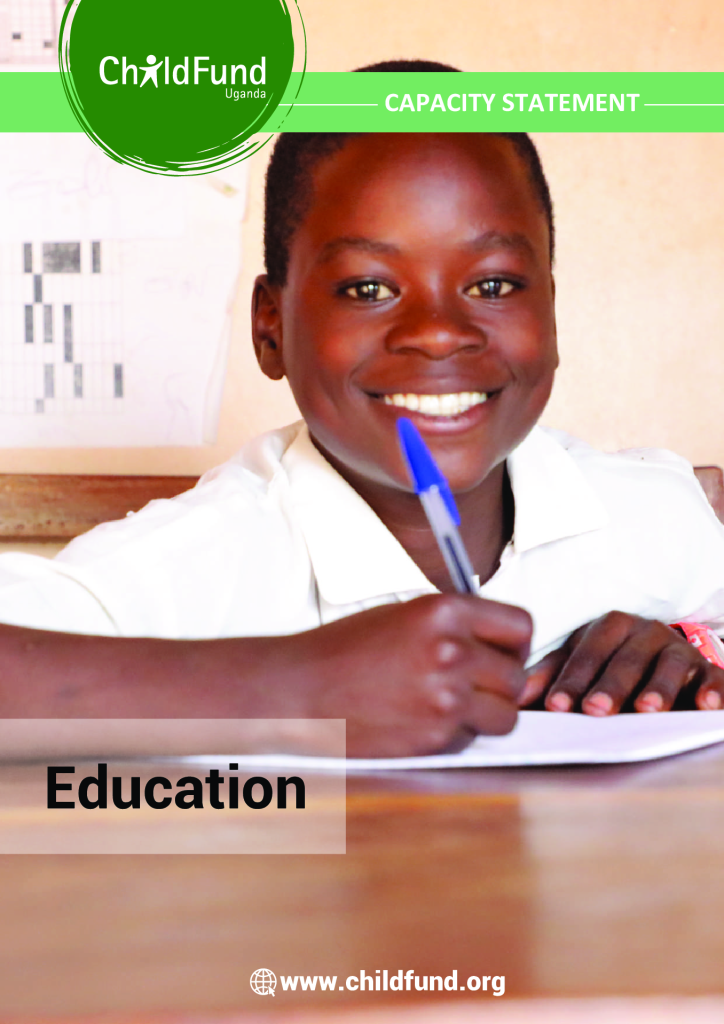
ChildFund’s Basic Education program targets children with limited access to learning and heightened vulnerability to violence and exploitation. The program operates on a theory of change that promotes nurturing relationships at home and within communities, while equipping children aged 6–14 with essential literacy, numeracy, life skills and good health. This holistic approach aims to ensure that children are not only educated but also supported to make positive, transformative decisions for themselves and their communities.