In this thought-provoking conversation, Jenner Kanalo, Senior Livelihood Specialist at ChildFund, and Samuel Kasirye, a member of the Youth Advisory...
Uganda has the second youngest population in the world, with over 78% of its citizens under the age of 35 — a figure expected to double within the next 25 years, with children aged 17 and below making up 50.5% of the population, while youth aged 18 to 30 account for 22.7%. However, the National Labour Force Survey (2021) highlights a significant employment gap: only 37% of youth aged 18–30 are employed, while 41% are not in education, employment, or training (NEET).
In response to this pressing need, ChildFund implements programs that equip young people with the skills, resources, and opportunities they need to thrive. We focus on building life skills, enhancing employability, and promoting entrepreneurship among youth. Through partnerships with local organizations, the private sector, and government agencies, ChildFund supports vocational training, mentorship, financial literacy, and access to startup capital. These initiatives are designed to support young people, particularly those in rural and underserved communities, to transition successfully into the workforce and become agents of change in their communities.
Facts and figures from 2024 data.
ChildFund’s youth development programs take a comprehensive approach that supports their transition into healthy, productive adulthood. This includes expanding opportunities for young people to earn a stable income through entrepreneurship and vocational skills training, helping them build sustainable livelihoods.
At the same time, ChildFund works to improve access to adolescent sexual and reproductive health services, while equipping youth with essential life skills that support their overall development and decision-making. Equally important is fostering meaningful youth participation in community life, encouraging civic engagement and involvement in development initiatives, all within safe, inclusive, and supportive spaces where young people feel valued, supported and heard.
Uganda’s youth bulge presents both an opportunity and a challenge. With over 70% of the population aged between 18 and 30 years, the country faces a growing need for employment opportunities. However, despite an unemployment rate of 12.6%, a significant gap exists between the skills youth acquire and the demands of the job market.
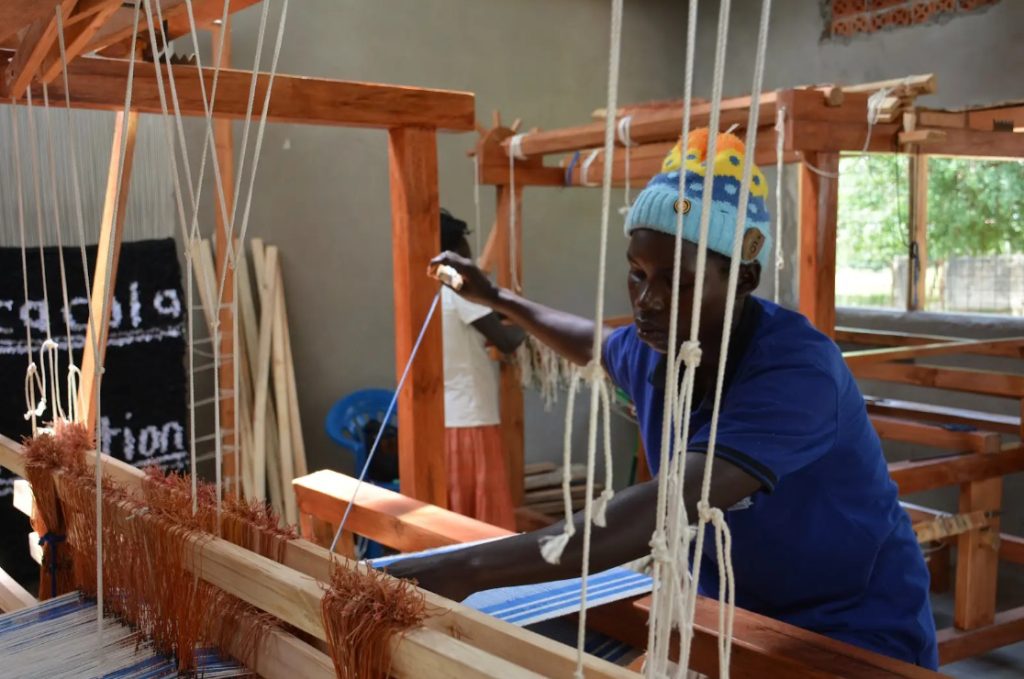
To bridge this gap, ChildFund implements programs that equip young people with both technical and soft skills needed for career success. These interventions are delivered in partnership with the government’s TVET (Technical and Vocational Education and Training) program and the private sector, ensuring youth are well-prepared to contribute meaningfully to Uganda’s economic growth.
Our livelihood programs aim to enhance the economic well-being of youth, their families and communities. To achieve this, the country program provides entrepreneurship training, offers startup capital for economic ventures, promotes financial literacy and supports youth-led initiatives that boost household income and foster financial independence.
Learn more:
Guided by the principle “Nothing for Us Without Us,” we recognize that active youth participation leads to meaningful and sustainable change. Since 2005, our program has supported young people to take on leadership roles and drive positive transformation within their communities. This is achieved through initiatives such as Youth-Adult Partnerships, Peer Education, Child-Friendly Accountability, Voice Now! and Youth Advisory Councils, which equip youth with the skills and platforms to advocate for their rights and contribute to community development.

In this thought-provoking conversation, Jenner Kanalo, Senior Livelihood Specialist at ChildFund, and Samuel Kasirye, a member of the Youth Advisory...

In a deliberate effort to expand opportunities for inclusion and sustainable livelihoods, ChildFund, in partnership with Dow Chemical, is equipping...
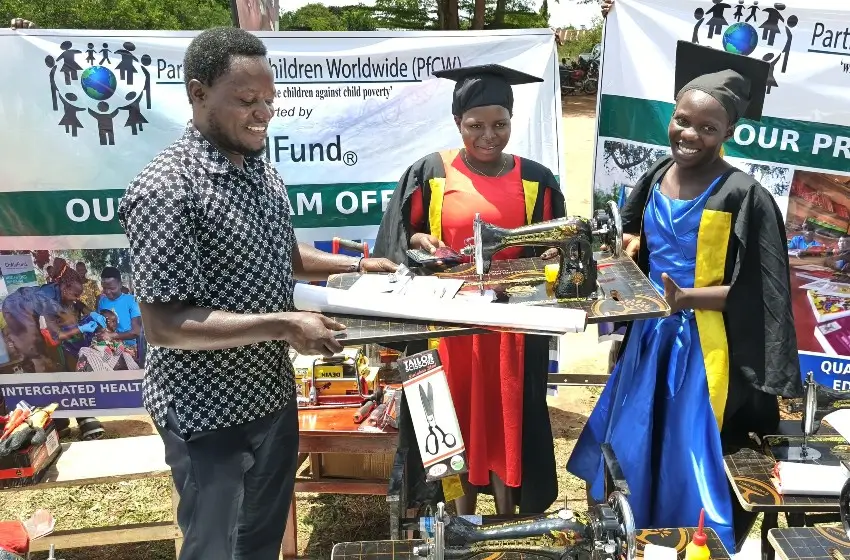
After nearly a year of learning and hard work, 27 young people have successfully completed vocational training under a skills...