

ChildFund, CSOs push Government to fix children’s funding gaps
March 7, 2025
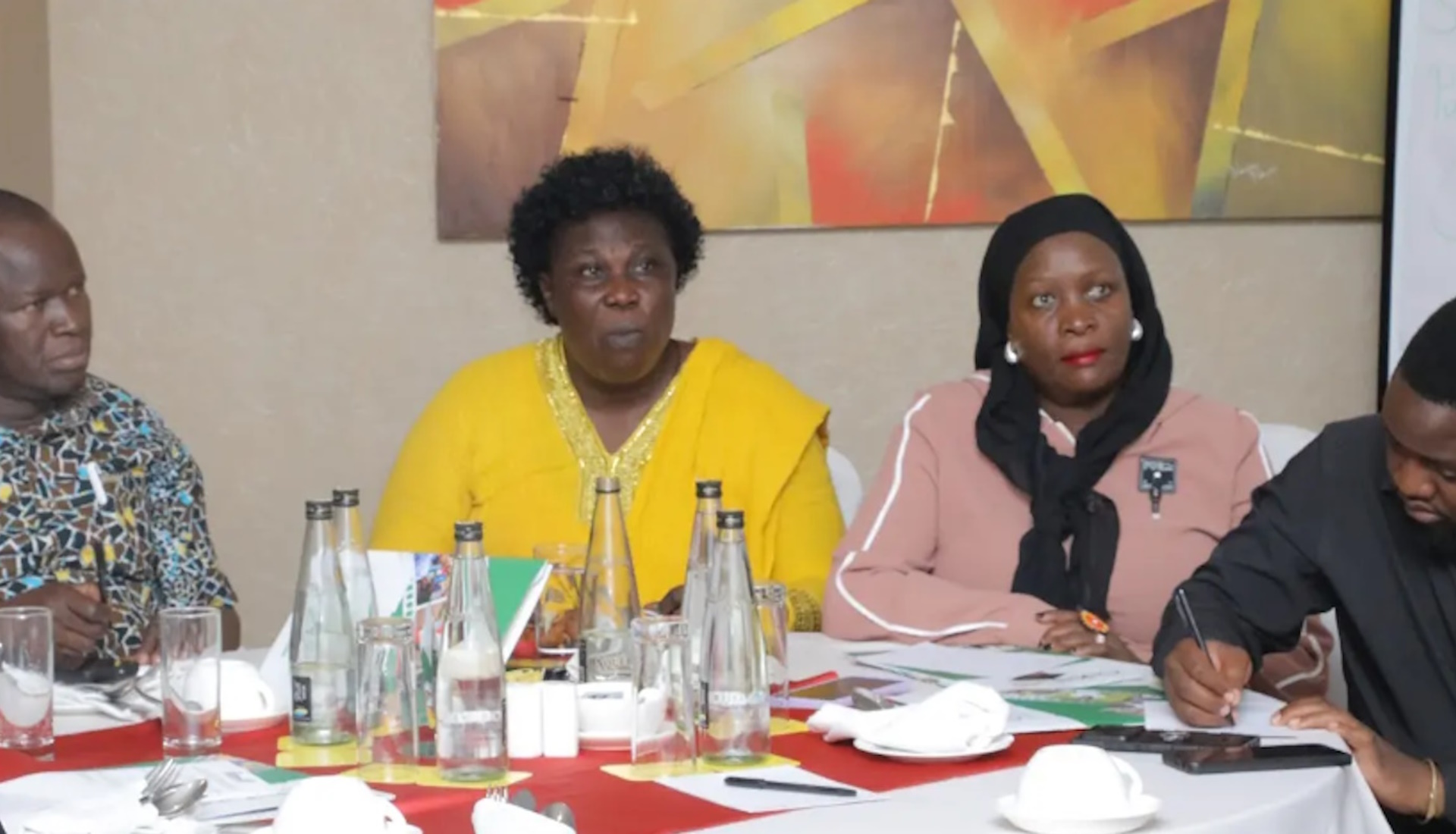
A section of Members of Parliament attending the meeting.
Child rights activists have asked the government to swiftly act to bridge the funding gap left by the recent freeze on foreign aid.
The activists under their Uganda Child Rights NGO Network warned that without a quick government investment in children’s welfare, the country risks facing increased cases of child neglect, teenage pregnancies, and child marriages soon. The activists met with MPs on Friday to discuss child-focused budgeting for the Financial Year 2025/2026.
Lydia Jean Akite, the child protection and advocacy manager at ChildFund Uganda, warned: “Whereas the government has made strides in increasing budgets for children, the allocation is not sufficient to cater for child protection concerns. We continue to see children experiencing defilement, child marriages, and teenage pregnancies.”
The 2024 National Population and Housing Census reveals that children make up at least 50 percent of Uganda’s population.
Lydia said a recent World Bank report projects that if Uganda invests in children over the next five years, the country would gain annual benefits amounting to Shs8.8 trillion ($2.4 billion) by averting teenage pregnancies and reducing high school dropout rates.
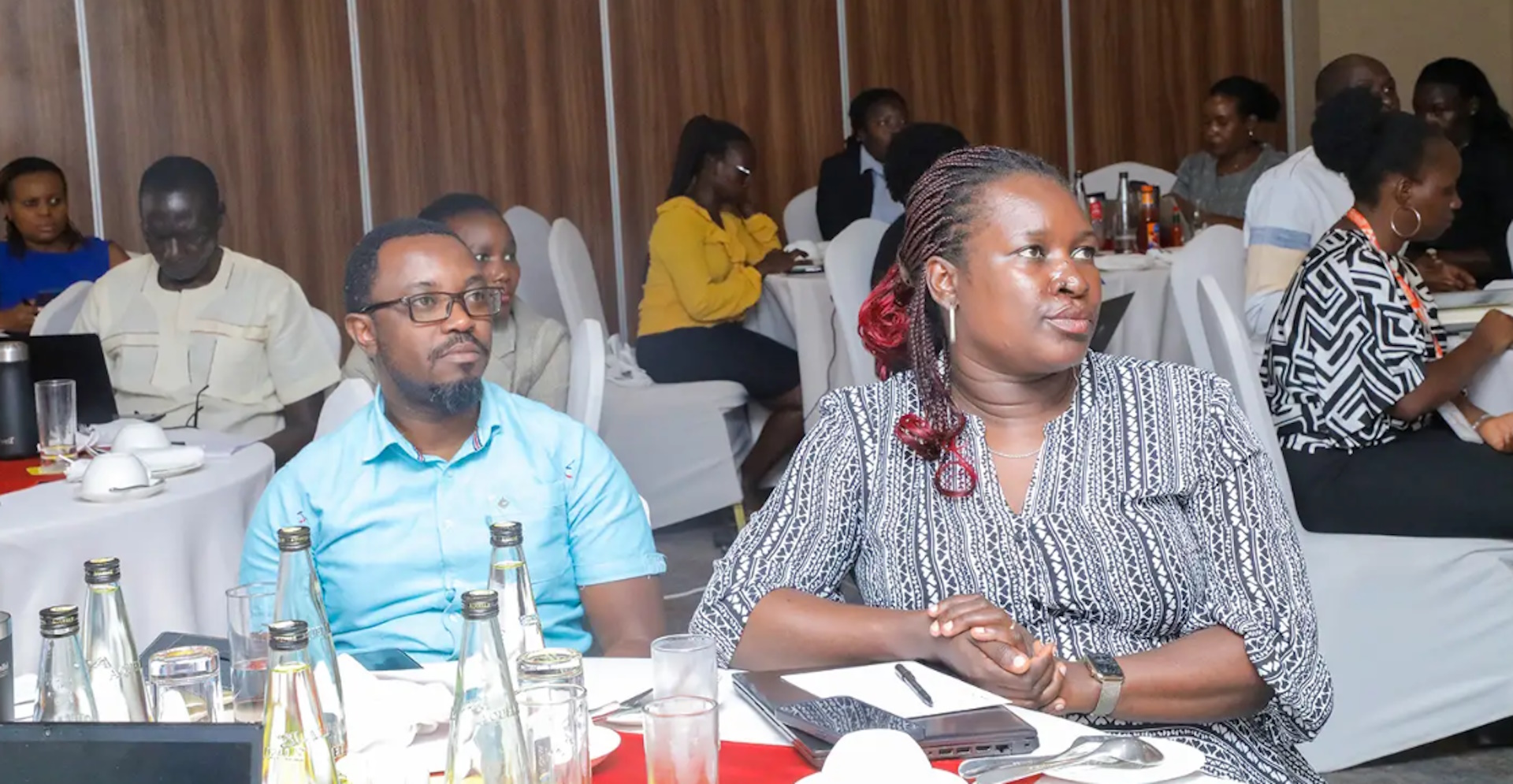 Lydia, centre and other participants at the meeting.
“These violations directly hinder children’s growth and development, preventing them from reaching their full potential. But we also see these children suffer long-term effects, particularly mental health issues, while others become withdrawn from society,” she noted.
Similarly, Damon Wamara, the executive director of Uganda Child Rights NGO Network, warned that many of the child welfare services previously supported by civil society organisations (CSOs) are now under threat following the recent US executive order, which affected funding to several NGOs.
He said given the ongoing freeze on foreign aid and the closure of some NGOs, the government ought to quickly step in to provide these services and close the widening gaps.
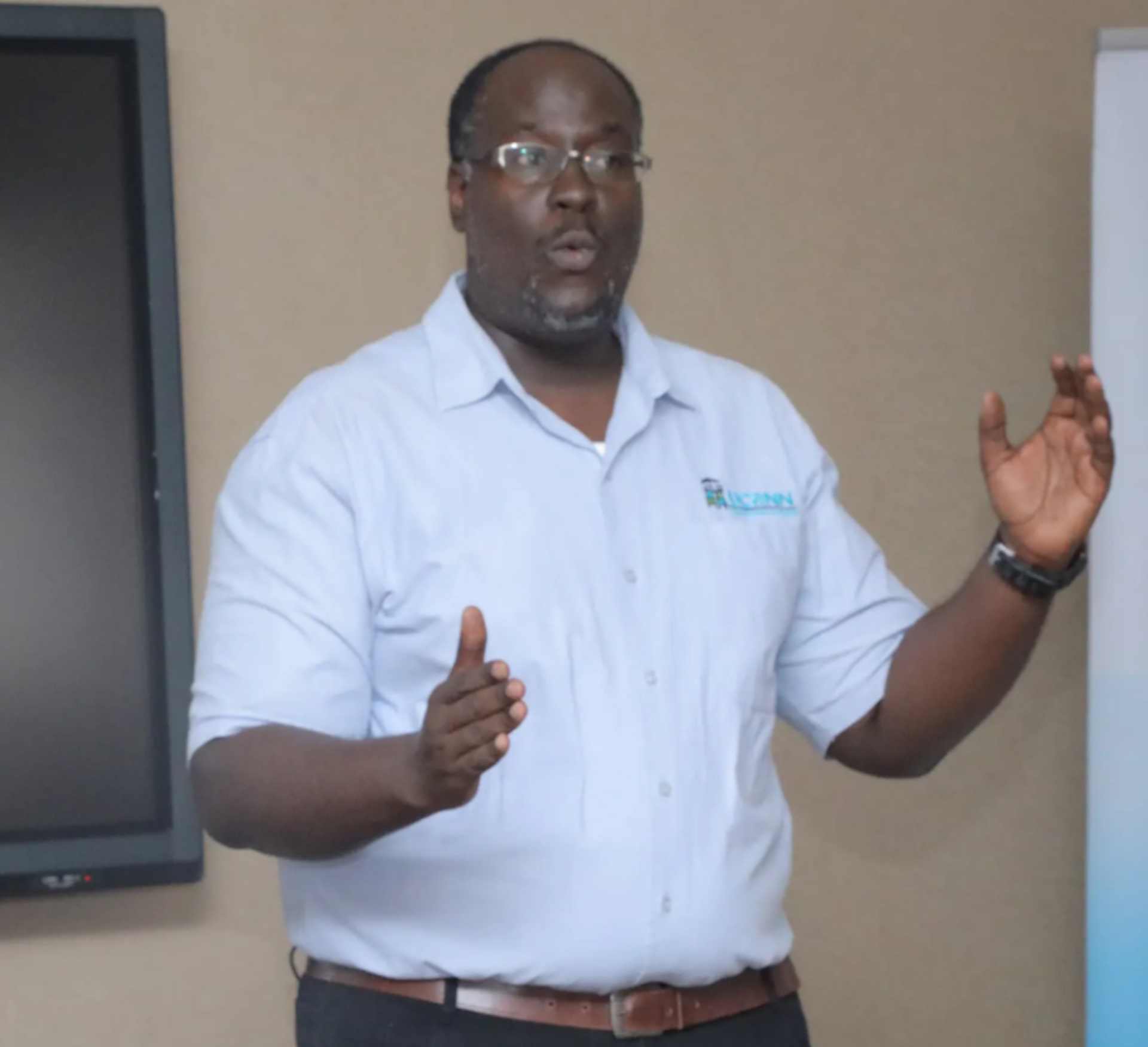 Damon, from UCRNN speaking during the meeting.
Damon said the CSOs have been playing a crucial role in supporting children’s access to use-friendly health services by ensuring each hospital has an extra doctor to help the adolescents access health services like sexuality services and HIV treatment. He also said they have facilitated school enrollment, mobilising pregnant children to return to school as well as supplementing school feeding programmes.
He also cited supporting children legally in courts of law by providing them with pro bono services.
But Damon said that even before the US aid freeze, the CSOs had been facing budget cuts, with the freeze escalating the situation. “If this trend continues, the CSOs will run out of funds to undertake their activities, unless government allocates adequate resources in the next budget,”
Inadequate budget Akite described as a “drop in the ocean” the finances given for child protection, with Shs10 trillion allocated to human capital development, with health and education sectors taking the lion’s share. She said social protection, which caters to children, women, and youth receives only Shs355 billion.
Lydia warned that if the country does not address the growing concerns affecting children, Uganda will have a future population of young people struggling with various forms of violence.
Stakeholders speak out
Mondo Kyateka, the assistant commissioner for children and youth at the Ministry of Gender, commended CSOs for providing data that informs government planning for children’s welfare.
He said the research findings would help strengthen discussions with MPs and other stakeholders on improving the lives of children in Uganda.
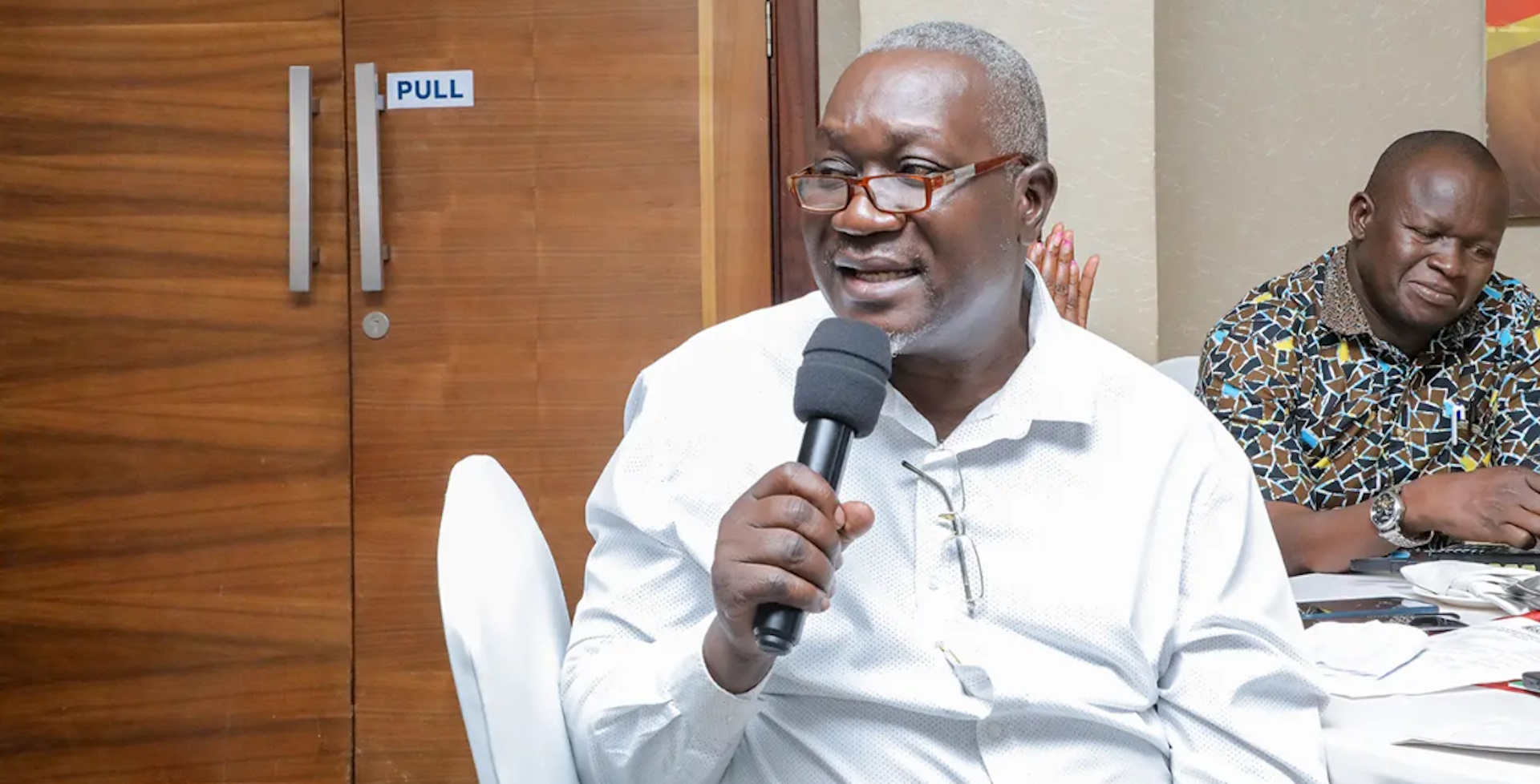 Mondo speaking during the meeting.
Mondo also warned that failure to invest in Early Childhood Development would result in higher costs for the government in the future.
“Investment in Early Childhood Development yields significant dividends. There should be more investment in pregnant mothers to ensure children grow up with better health and cognitive abilities,” he advised.
Mitchell Ainebyoona, a specialist in public investment in children, who presented a paper on education concerns, urged the MPs to investigate the rising cost of education, particularly in private schools that are not part of the Universal Primary Education (UPE) and Universal Secondary Education (USE) programmes.
Warning
He warned that limited government support for Early Childhood Development (ECD) and the inadequate provision of special needs and inclusive education pose significant risks to the future of Uganda’s children.
Irene Kagoya, the associate director for advocacy at World Vision Uganda, called on the government to increase funding to the health sector. She stressed the need for more investment in the skilling of health workers, primary health care services, nutrition programmes and strengthening the oxygen supply system to support emergency care.
The Kalungu West MP, Joseph Ssewungu, said while the MPs have been advocating an increased budget for children, the government has the final say on budget priorities.
He said despite the pressing need to invest in children’s welfare, other sectors often take precedence in government budgeting hence the need to continue advocating.
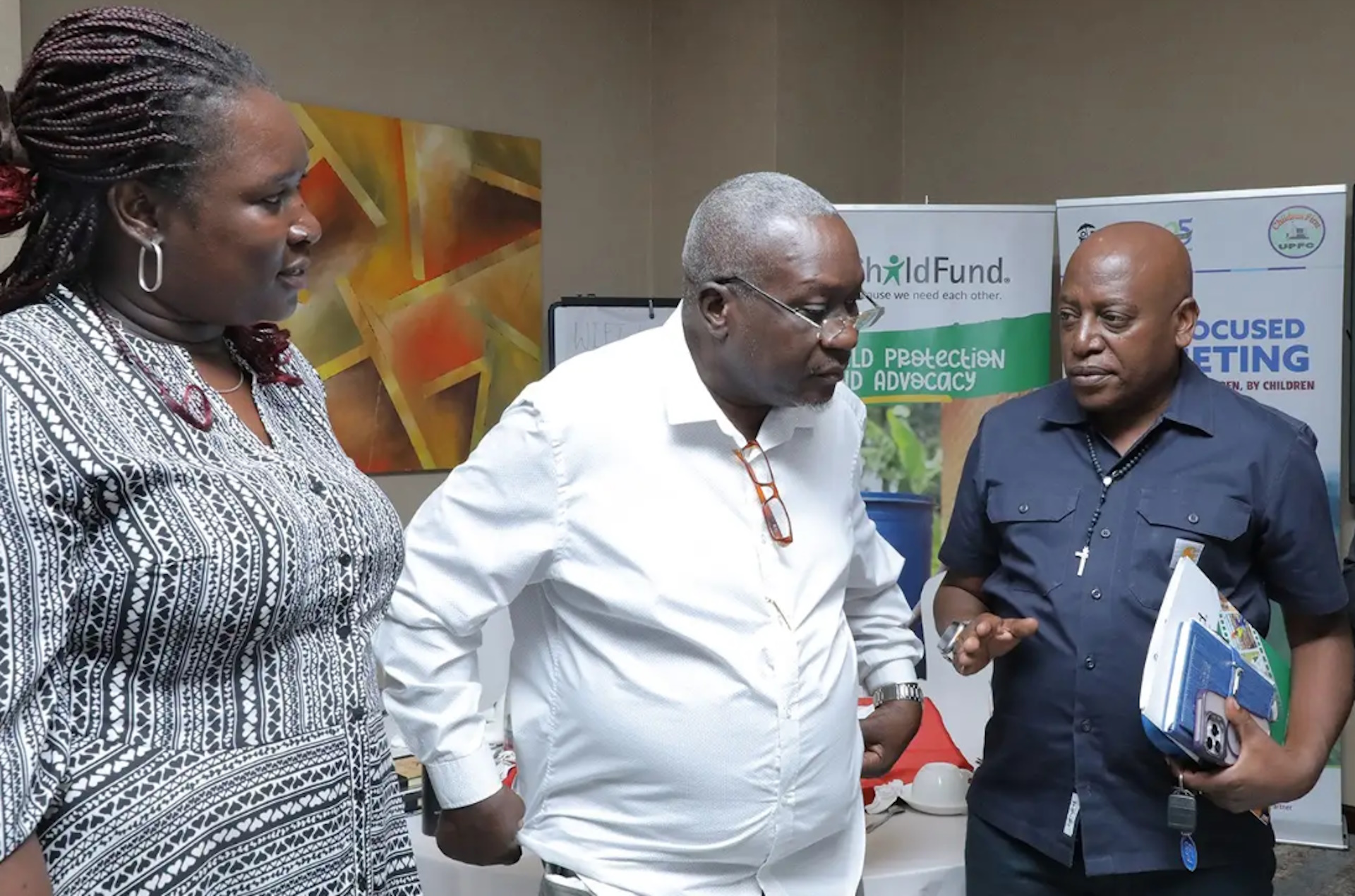
Left to right (Lydia, Mondo and Joseph share a light moment after the breakfast meeting).
As Uganda grapples with the impact of reduced foreign aid, child rights advocates insist that the government should prioritise children’s welfare in the 2025/2026 budget to safeguard the country’s future.
SHARE:


Related Resources

A backpack innovation supporting children carry less and learn more
Until recently, fetching water was one of the hardest parts of Samuel's day.

New ‘jerrybags’ ease water burden for refugee schoolchildren in Northern Uganda
Before the school bell rings, many children in Palorinya Refugee Settlement have already walked several...

Harnessing technology to expand access to SRH information for youth
Over 20,000 young people across Uganda will now have easier access to accurate, confidential and...