

Defending children’s safety and innocence in the digital era
June 16, 2023
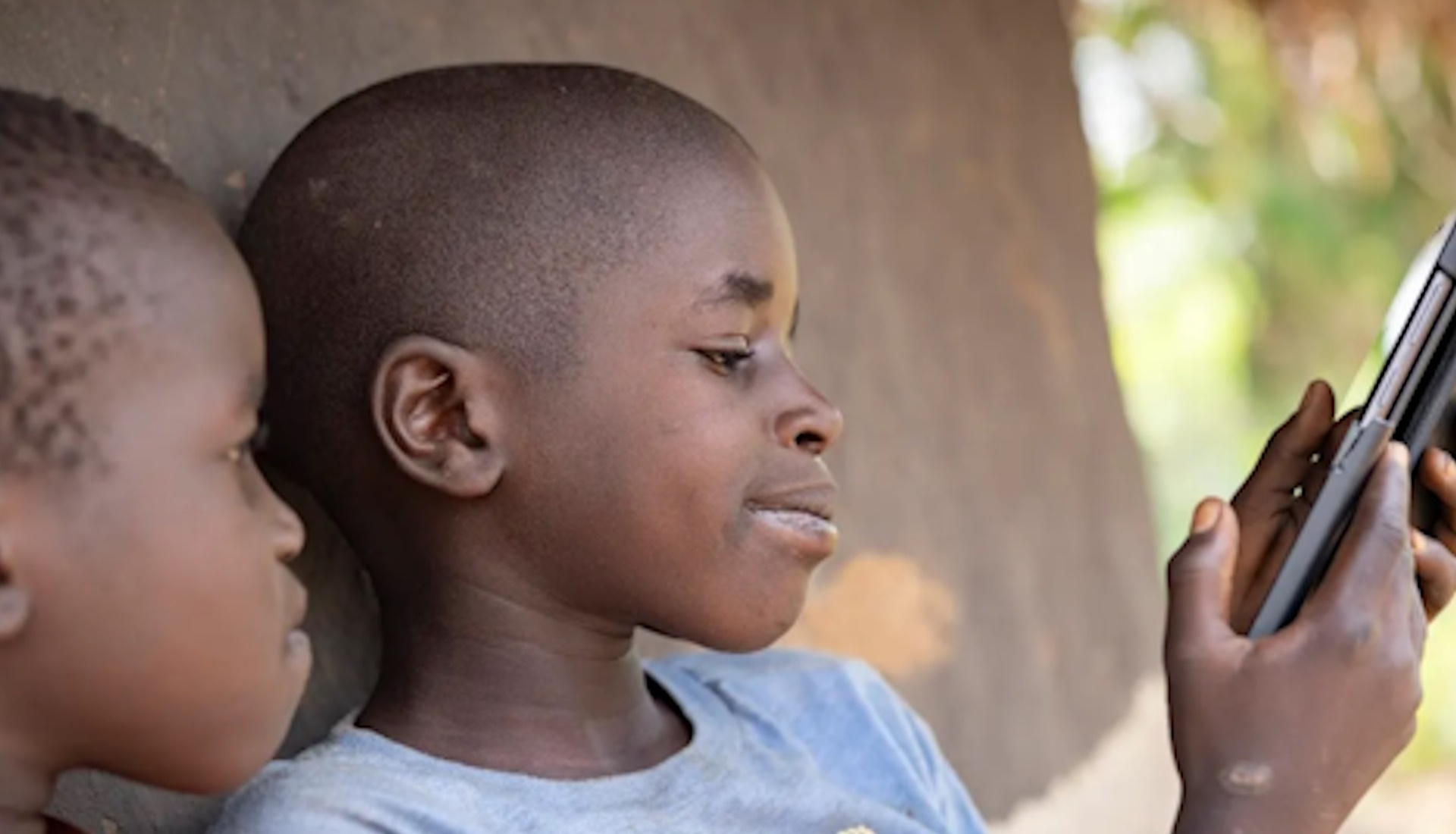
Steward (10) and Marvin (7) in Gulu District playing a game on their parents phone.
Children’s access to the internet should be supervised by parents/caregivers.
In the vast landscape of the digital era, screens glow and information flows. However, a new frontier has emerged: the protection of children in the virtual realm.
Gone are the days when playgrounds and classrooms were the primary arenas for a child’s exploration and growth.
Today, children across the globe navigate an intricate maze of online platforms, social media networks and virtual communities.
With each click, tap and swipe, they enter a world where boundaries are blurred, where their voices are amplified and where their vulnerability to risks is heightened.
“From cyber bullying, exploitation, exposure to inappropriate content, the digital world presents a multitude of threats that can infringe upon a child’s rights, stifle their development and scar their futures,” Moses Otai, the country director of ChildFund Uganda, says.
While technology alone cannot be blamed for some of the challenges children face, Otai says it is important to take proactive measures to protect children in the digital era.
“All children have a right to be safe online and that is why we are committed to building an accessible, safe and inclusive digital world for all children and young people, based on a framework that requires governments, industry, community members and families to take action,” Moses says.
The Day of the African child
In 2023, the Day of the African Child was commemorated to increase more awareness on digital safety. This day is celebrated every June 16. However 2023 celebrated under the theme Promoting and Protecting Children’s Rights in the Digital Era.
The Day of the African Child is celebrated in honour of children who participated in the 1976 Soweto Uprising. It also raises awareness about the need for improvement of education provided to African children.
Whereas digital connectivity is a key factor in improving the well-being of children and youth, increased access to information, learning resources and expanded opportunities for social and civic engagement, the rapid expansion in online technologies is exposing children to an increasing range of threats.
This is even made worse by the insufficient and inconsistent laws and policies globally to keep young people safe online.
More connections and risks
According to the Uganda Communications Commission 2022 First Quarter (January-March) Market Performance Report, there are 23.5 million broadband (internet) connections in the country.
The report further reveals that the number of devices (phones, tablets, car trackers and all sim card-using devices) accessing the telecom network grew from 34.1 million in December 2021 to 35 million in March last year.
Among the devices, there were 10.48 million smartphones in the country. Contrary to the feature phones (kabiriti), smartphones are multipurpose and can be used to download software, browse the Internet, watch television, take pictures and videos as well as organise or participate in virtual engagements.
“The downside of this, however, is that there is an alarming increase in online child sexual exploitation and abuse,” Dillis Ekany, a child protection specialist with ChildFund Uganda, says.
Lydia Jean Akite, ChildFund’s child protection and advocacy manager, explains that limited safeguards on children’s access to the Internet, coupled with limited supervision by the parents and caregivers as children utilise digital devices, has led to children accepting requests from unknown people on different social platforms and sites who eventually manipulate and abuse them.

Lydia Akite, ChildFund Uganda Child Protection and Advocacy Manager.
She appeals to parents to play their role in ensuring that they protect their children from online child sexual abuse through building the self-esteem of their children so that they do not rely on online views.
Lydia also advises parents and guardians to continuously educate their children about the dangers that digital platforms. “Children should also be encouraged to set limits while assessing online platforms and utilising the Internet for specific periods. Caution them on meeting unknown friends online or accepting friend requests with caution. They should also report suspicious individuals to any trusted adult or authority, including the Police or a child helpline,” Lydia says.
Dillis says while important strides have been made in protecting children online through legislation and policies, online child sexual abuse and exploitation and harmful content is not always adequately defined, and identification of perpetrators too often relies on community policing.
Interventions
ChildFund, together with its alliance partners, are currently implementing a campaign dubbed Web Safe and Wise.
The initiative, launched in May 2023, focuses on addressing the risks emerging in new technologies, while empowering children and young people to become effective digital citizens empowered to participate online safely, ethically, and responsibly.
Among the key objectives of the campaign is advocacy for new or strengthened laws and policies to protect children while online, support for children in raising awareness about child rights violations in the digital era as well as to holding their duty bearers accountable.
“ChildFund is working with all stakeholders including the Government, private sector, civil society organisations, development partners at all levels to build an accessible, safe and inclusive digital world for all children based on a framework that requires us all to take action on the rights of the children in the digital era,” Dillis says.
Where is all this exposure coming from?
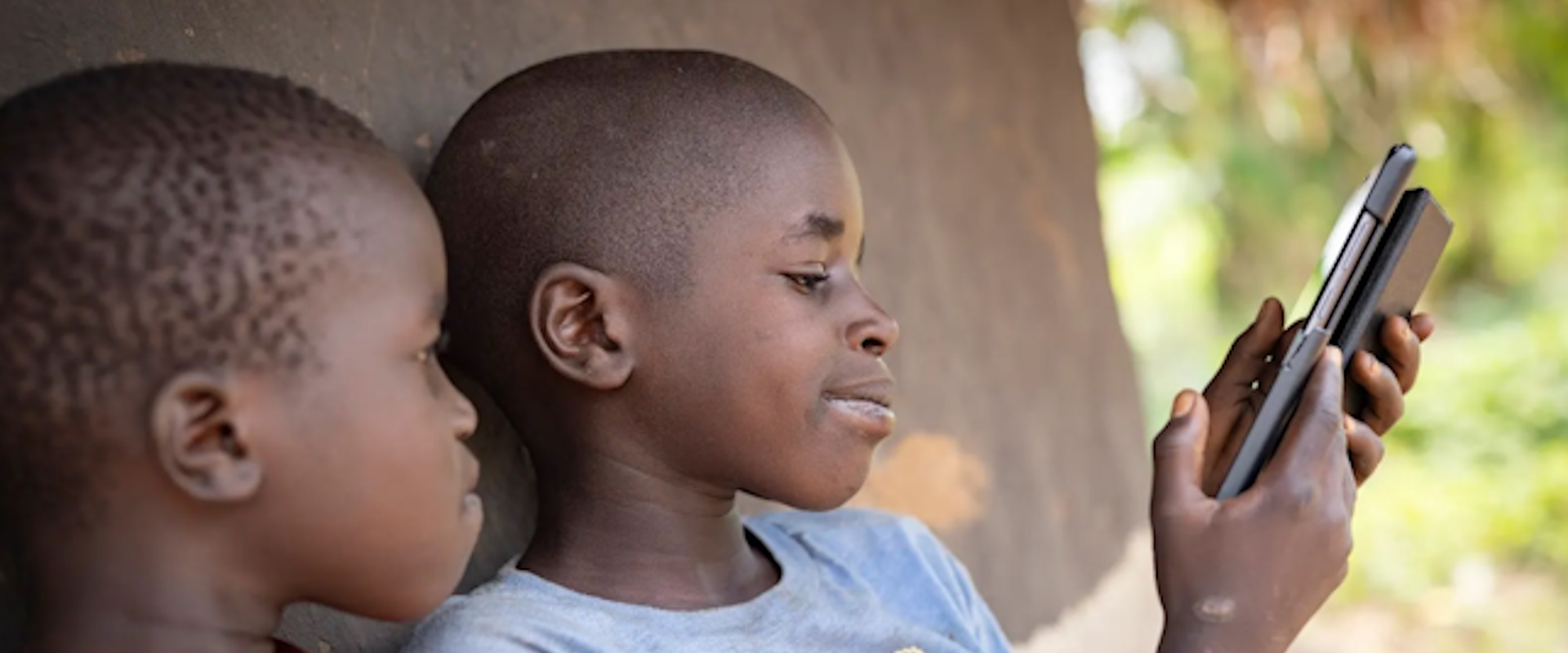 Children using a tablet. Using internet-enabled gadgets without safety knowledge makes them vulnerable.
The digital era refers to a period in human history characterised by the shift from traditional industry to an economy based on information and communications technology.
Online safety on the other hand refers to the awareness and understanding of the threats that exist in the digital environment. It involves having the requisite skills and knowledge to identify the threats and engage in preventative measures to stay safe and avoid such them.
The digital revolution and internet access and usage have increased drastically.
As of May last year, there were about 590 million users (43% internet penetration) in Africa. These figures include children, who represent a third of all internet users in the world. It is also estimated that more than 1.7 million children go online for the first time every day.
SHARE:


Related Resources

A backpack innovation supporting children carry less and learn more
Until recently, fetching water was one of the hardest parts of Samuel's day.

New ‘jerrybags’ ease water burden for refugee schoolchildren in Northern Uganda
Before the school bell rings, many children in Palorinya Refugee Settlement have already walked several...

Harnessing technology to expand access to SRH information for youth
Over 20,000 young people across Uganda will now have easier access to accurate, confidential and...