

16 Days of Activism kicks off with sobering alerts and renewed demand for sensitisation
November 25, 2025
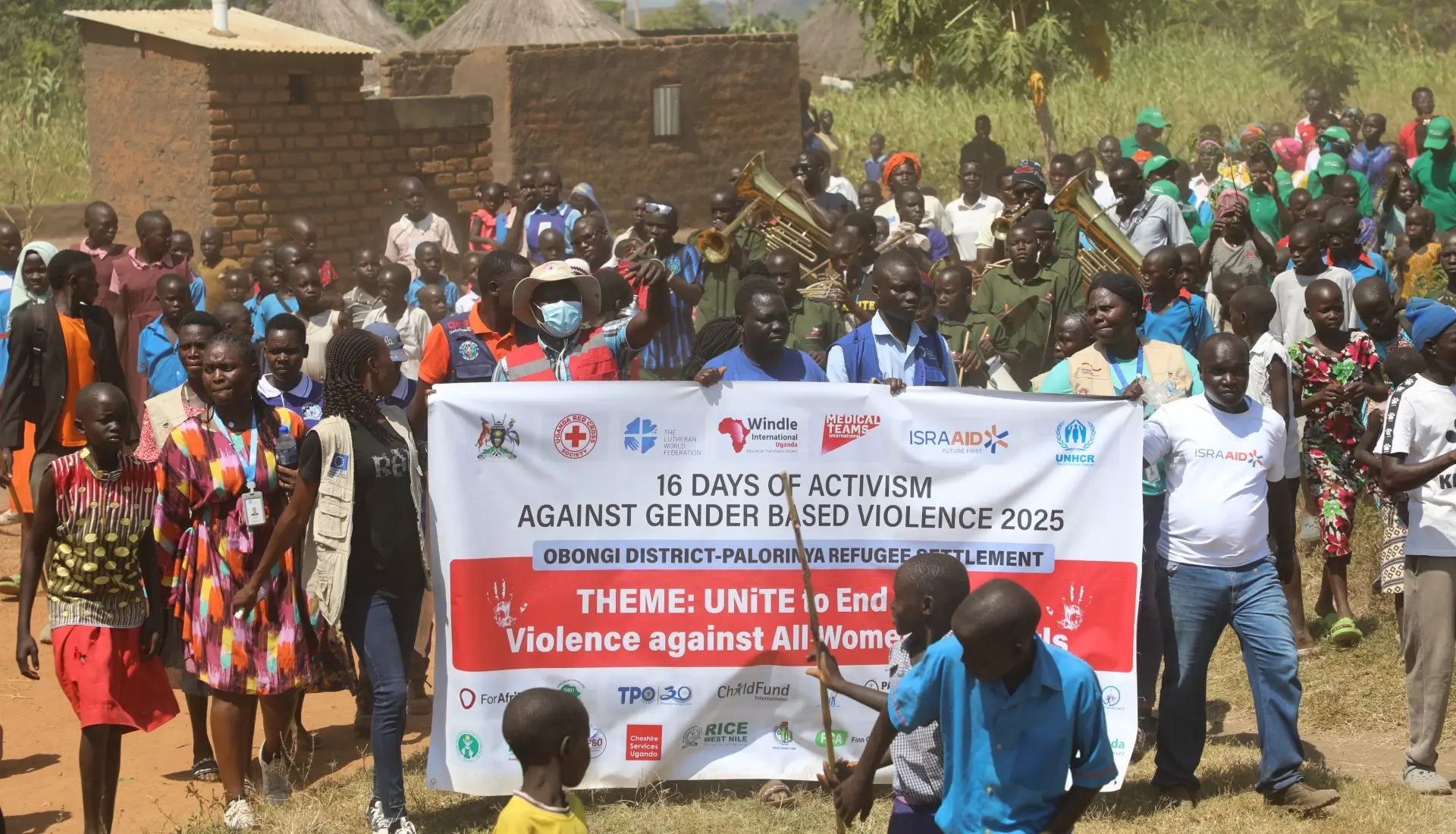
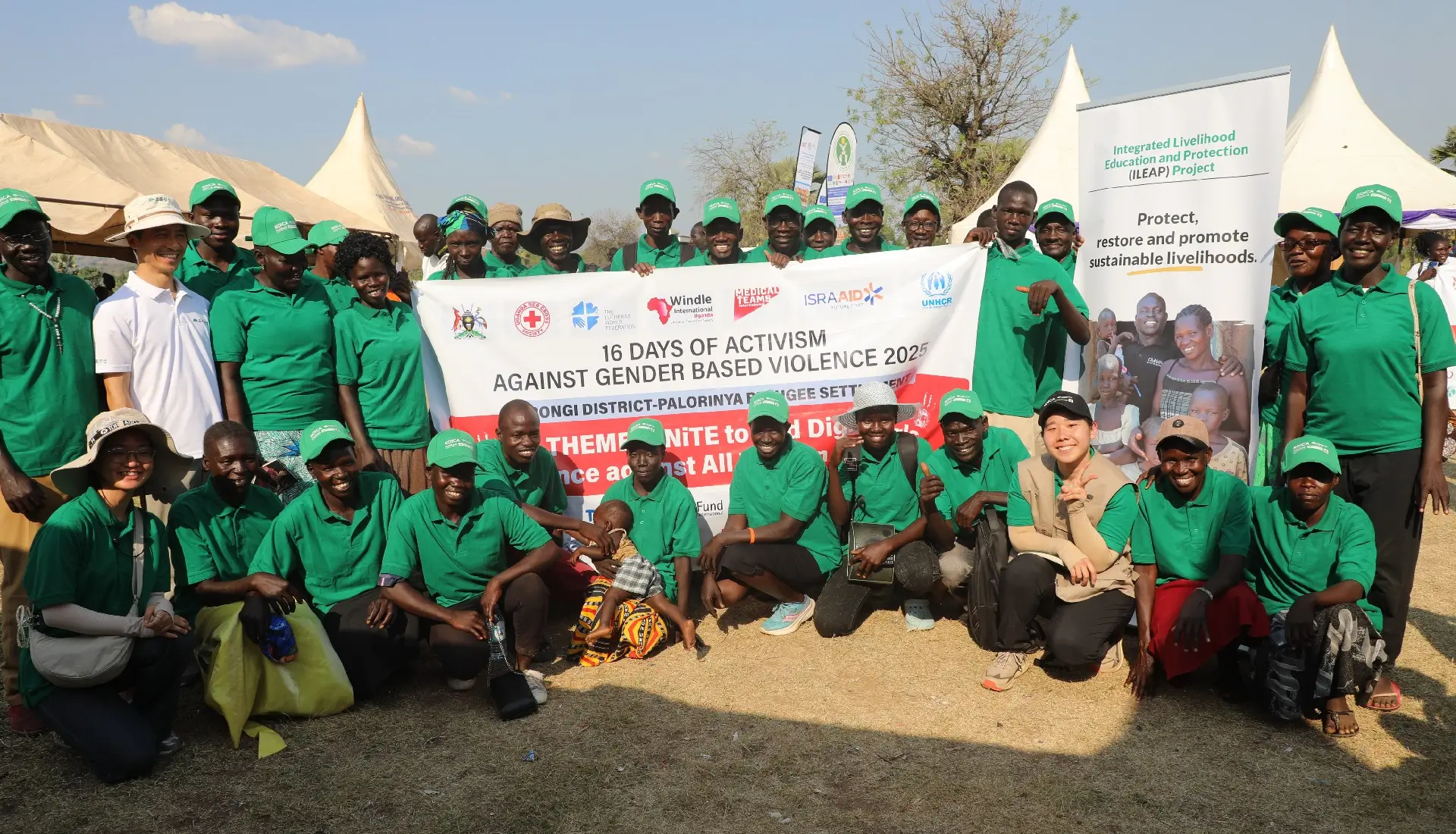
Commemorations commenced with a band procession of various stakeholders.
Obongi District is home to about 141,913 refugees, mostly from South Sudan and a host-community population of roughly 142,983. But as the district joins the rest of the world to commemorate this year’s 16 Days of Activism against Gender-Based Violence, authorities paint a grim picture of rising violations against girls and women.
Every week, more than 10 cases of violence against girls are reported to the Resident District Commissioner’s office. These incidents range from defilement, rape and emotional abuse to forced marriages and sexual assault.
What makes the situation even more troubling is that, in many cases, the very people expected to protect girls from harm are the perpetrators, creating layers of complexity in addressing the crisis.
“I want to give you real examples of how deep-rooted gender-based violence is in Obongi, especially within the refugee settlement. A medical assistant defiled and impregnated a primary-school girl. Two teachers defiled and impregnated another girl. And we have a case where two married men defiled an eight-year-old girl. The cases are many; these are just a few,” said Samuel Hashaka, the Resident District Commissioner Obongi district.
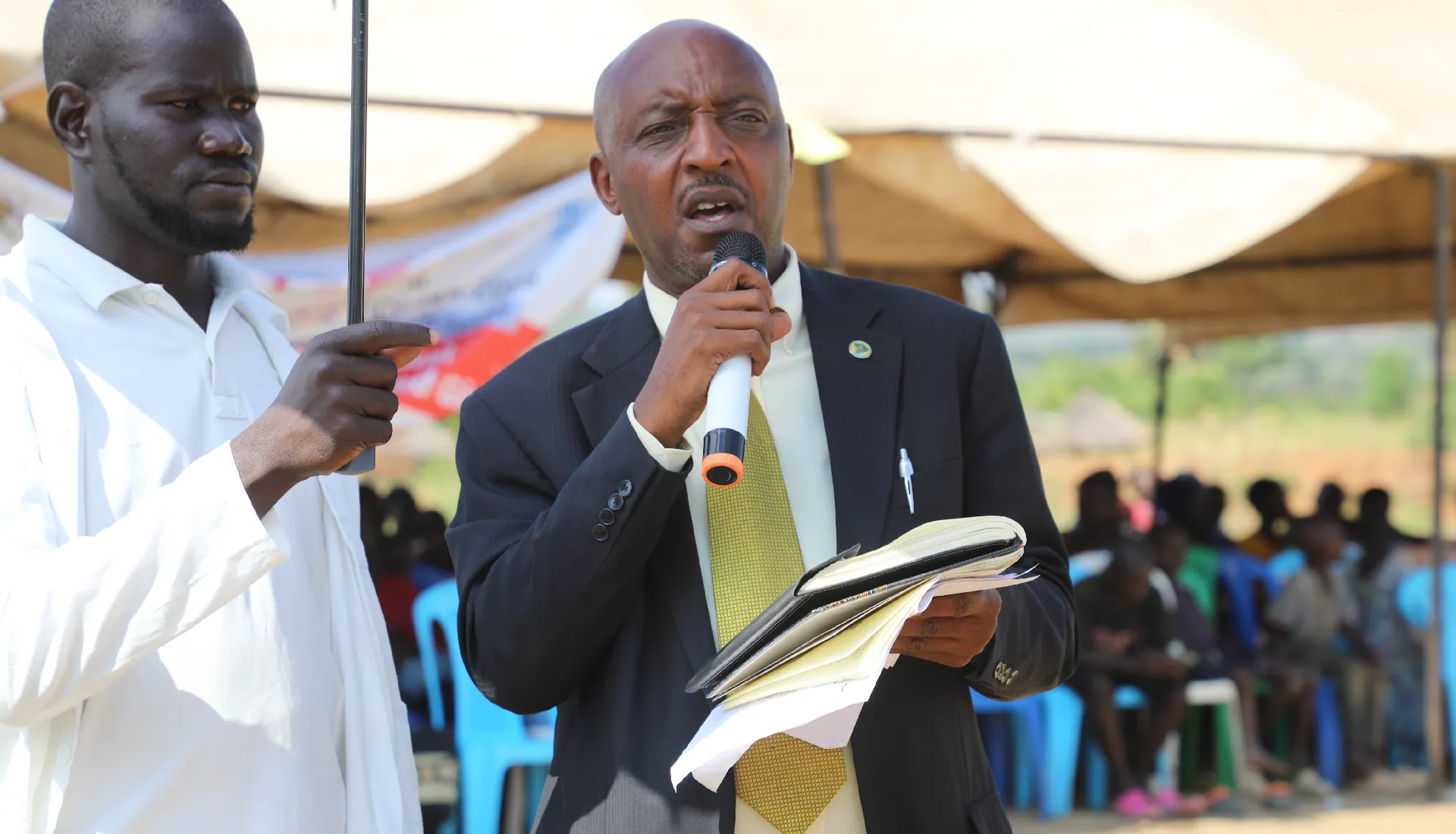
According to Samuel, the situation is worsened by poor case handling and limited progress within the justice system. Many cases never make it to court. Even more concerning, some Local Council Chairpersons and Refugee Welfare Committees increasingly settle defilement cases out of court.
“It’s sad. We have cases reported to police, but they don’t reach court. We had a Primary Six girl who was defiled by a counsellor, yet the court dismissed the matter for lack of evidence,” he added.
Samuel made these remarks during the launch of the 16 Days of Activism against Gender-Based Violence at Trinity Primary School sports ground in Palorinya Refugee Settlement.
Background
The 16 Days of Activism Against Gender-Based Violence is a global campaign held every year from 25 November to 10 December to raise awareness, strengthen advocacy and ignite action to end all forms of violence against women and girls. Launched in 1991, it unites governments, civil society, UN agencies and communities in a collective effort to prevent and respond to GBV.
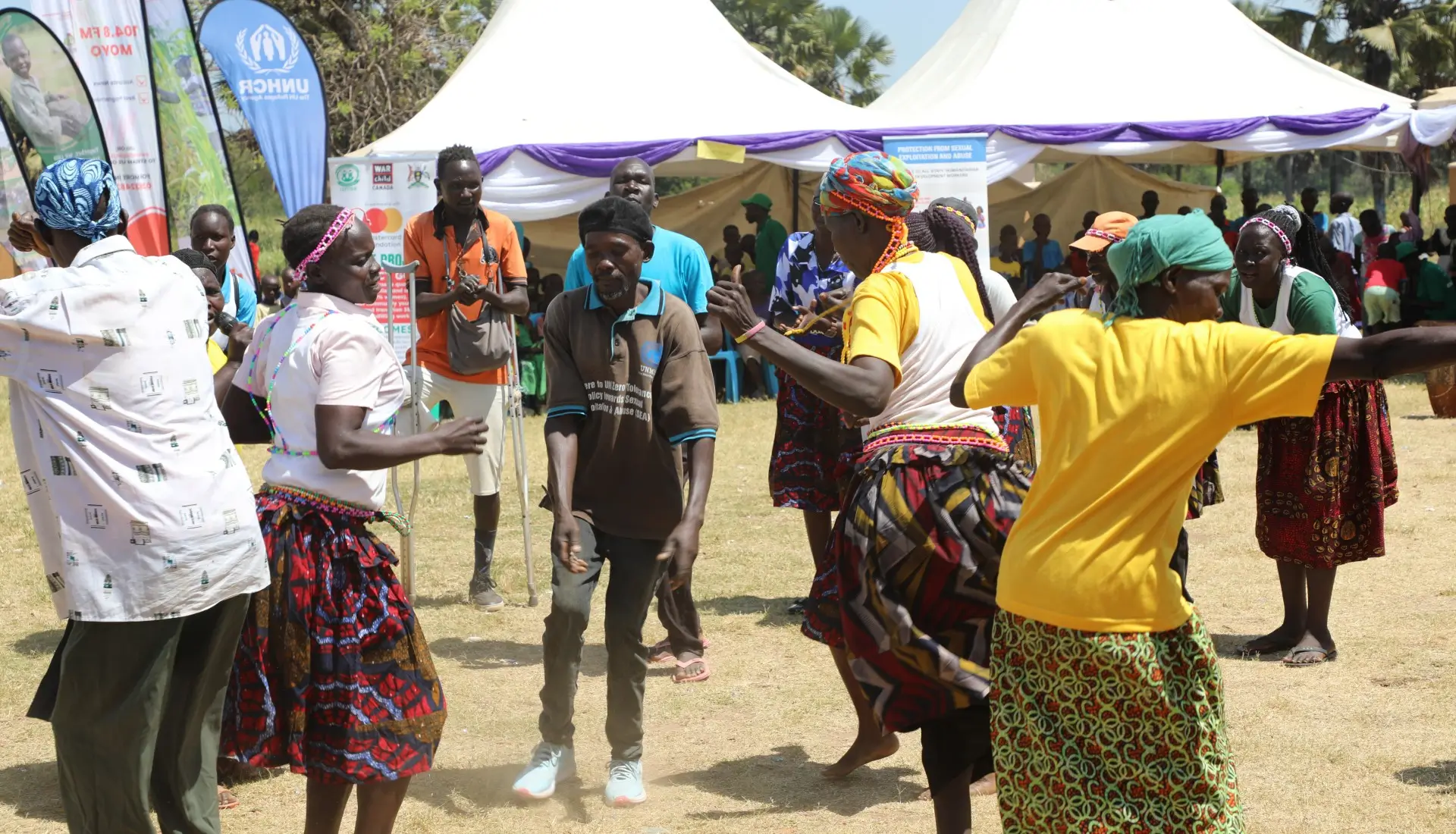
This year’s theme, “Unite to End Digital Violence Against All Women and Girls”, highlights the growing dangers that women, girls and children face in online spaces, including cyberbullying, harassment, exploitation, misinformation and technology-facilitated abuse.
As digital access expands, so do vulnerabilities, particularly for young people and marginalized groups who may lack digital literacy and protection mechanisms.
Robert Andeoye, the settlement Commandant described violence against women and girls as a major public health and human rights crisis, noting that nearly one in three women globally experience violence in their lifetime.
He emphasized that risks are even higher in humanitarian settings, climate-vulnerable communities and households facing poverty.
Despite the challenges, he stressed the need for continued awareness and dialogue on the long-term health, social and economic consequences of GBV. He also called on the public to challenge harmful norms that limit the rights and opportunities of women and girls.
“If you know someone who has suffered GBV, support them with empathy. Do not judge. Help them access services that can facilitate healing,” Robert urged.
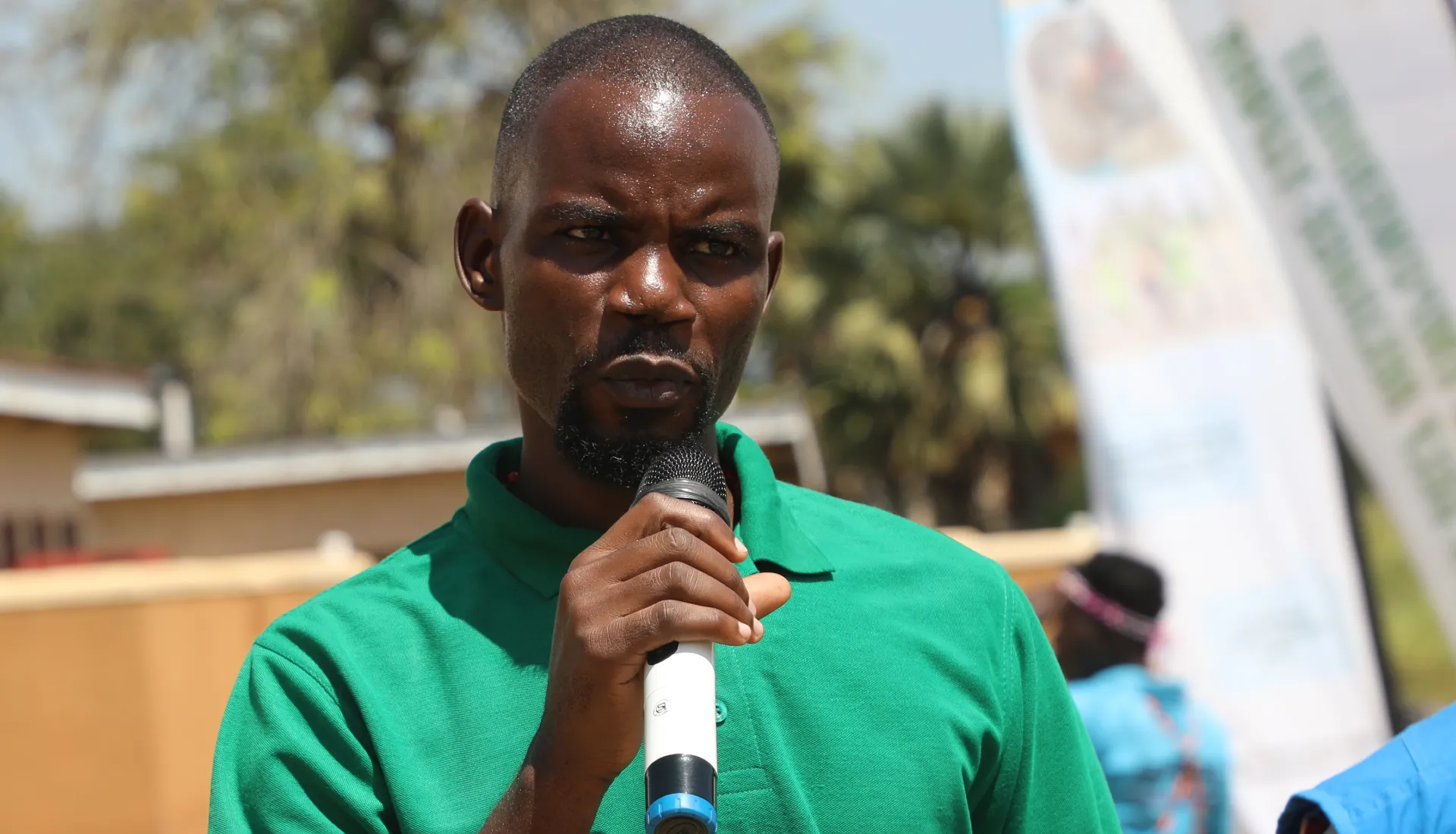
Speaking on behalf of partners, Project Manager Francis Nabaasa noted that the reality of gender-based violence, often perpetrated by parents, spouses, friends and other trusted individuals, demonstrates that advocacy remains as urgent today as it was 34 years ago when the global campaign began.
While acknowledging the positive role technology can play in reporting, research and advocacy, Francis warned that it has also opened new pathways for abuse, including nonconsensual sharing of intimate images, cyberbullying, hate speech, online stalking and digital surveillance of women by intimate partners.
“Although these acts take place online, their impact is deeply personal, eroding victims’ confidence, privacy and emotional wellbeing offline. Our call is clear: let us stand together to challenge power imbalances and push for stronger investment in safeguarding the rights of women and girls in digital spaces,” he said.
ChildFund participates in the 16 Days of Activism because protecting children both offline and online is central to its mission. The organisation is currently implementing the Integrated Livelihood, Education and Protection (ILEAP) project, a three-year initiative funded by the Korea International Cooperation Agency (KOICA) and ChorogUsan for Children (formerly ChildFund Korea). Implemented with technical support from Good Farmers for the livelihood component and in close collaboration with the Government of Uganda, the project aims to strengthen the resilience and wellbeing of children and families in both the refugee and host communities of Palorinya settlement.
A core focus of ILEAP is child protection, enhancing community-based systems that safeguard children from violence, abuse and exploitation. The project builds the capacity of Child Protection Committees, para-social workers, teachers and youth groups to identify, report and respond to protection concerns, while improving referral pathways to ensure timely psychosocial support, case management and reintegration services for affected children.
UNHCR Head of Field Office Musau Jelvas emphasized the importance of unity in confronting GBV. “We are stronger when we work together. Let us use the 16 Days as a foundation for year-round action. Through collective effort, we can end violence,” he said.


Related Resources

A backpack innovation supporting children carry less and learn more
Until recently, fetching water was one of the hardest parts of Samuel's day.

New ‘jerrybags’ ease water burden for refugee schoolchildren in Northern Uganda
Before the school bell rings, many children in Palorinya Refugee Settlement have already walked several...

Harnessing technology to expand access to SRH information for youth
Over 20,000 young people across Uganda will now have easier access to accurate, confidential and...