

Improved water access boosts health, education and safety in Acowa
July 10, 2025
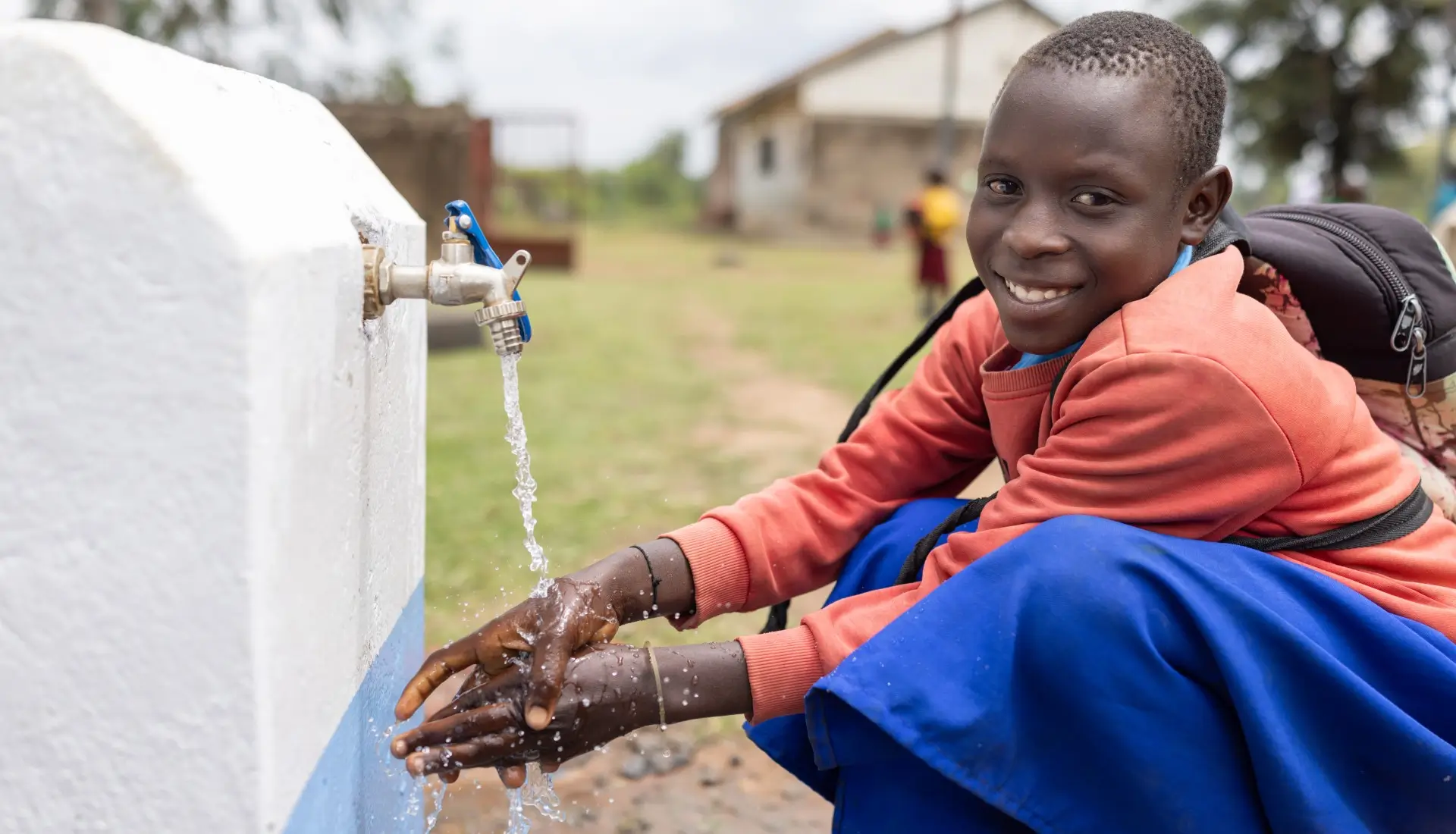
The tap that was placed at Akore primary School
For years, children like Dorothy walked long distances and spent hours at crowded boreholes, missing school and risking disease.
Most days, she found a long line of children, mothers and elderly men all waiting for their turn to fill a single jerrycan. This routine took several hours, causing her to miss most of the morning lessons at school.
“Sometimes we even missed classes struggling for water,” Dorothy says. On some days, she returned home at midday, exhausted, with just enough time to prepare a meal before repeating the same routine the next morning.
Such was life for many residents in this small town in Kapelebyong District. Access to clean water was next to impossible.
“You would sit there from morning to midday and still not get water,” says Immaculate, a young mother. When the borehole became too crowded, many turned to swamps and streams where animals drank, exposing families to waterborne diseases such as typhoid and diarrhea.
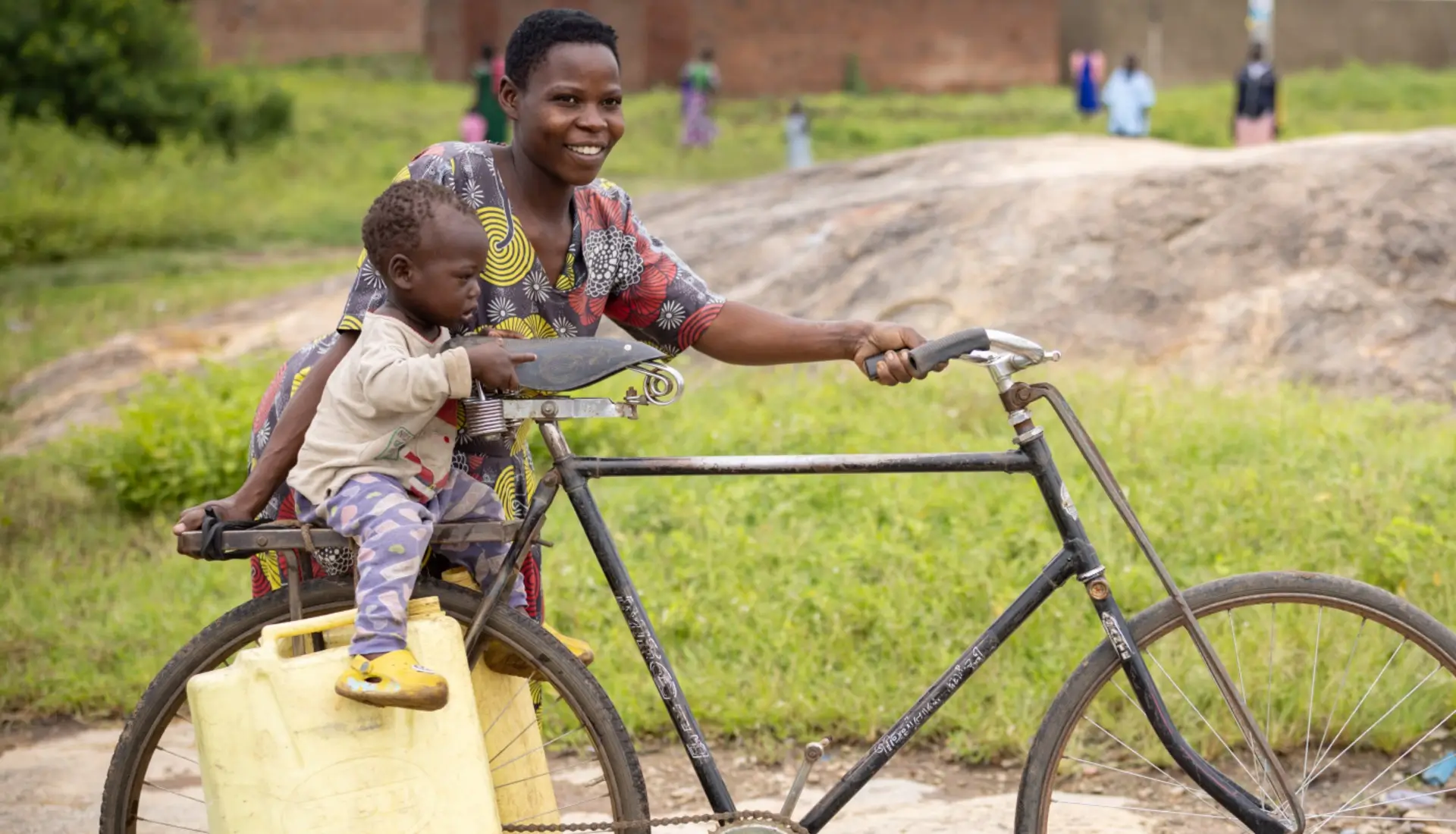
John Peter Amou, the area chairperson, describes those years as extremely difficult. “People were sick. Life was difficult and some people lost their lives,” he says. “Our children were unable to go to school due to a lack of water.”
In 2024, ChildFund, together with its local partner Partners for Children Worldwide and in partnership with Davis and Shirtliff, installed a solar-powered water system that has since changed the community.
Clean water now flows to three key points, notably; the town centre, the primary school and the ChildFund-supported ECD centre.
“Now water is very accessible at any time,” says Moses Opoo, Program Officer at Partners for Children Worldwide. “You just turn on the tap and you get it. The time that was wasted is now saved for farming and other economic activities.”
At least 2,000 people use the system each day.
For Amou, the changes are unmistakable. “This water has brought about many changes. Our sanitation has improved, diseases have reduced and domestic violence no longer takes place because women don’t spend too much time fetching water.”
For women like Immaculate, who once returned home late and exhausted, tensions at home have eased.
“Now my people are so happy,” he adds. “Children have gone back to school and incidents of domestic violence have gone down.”
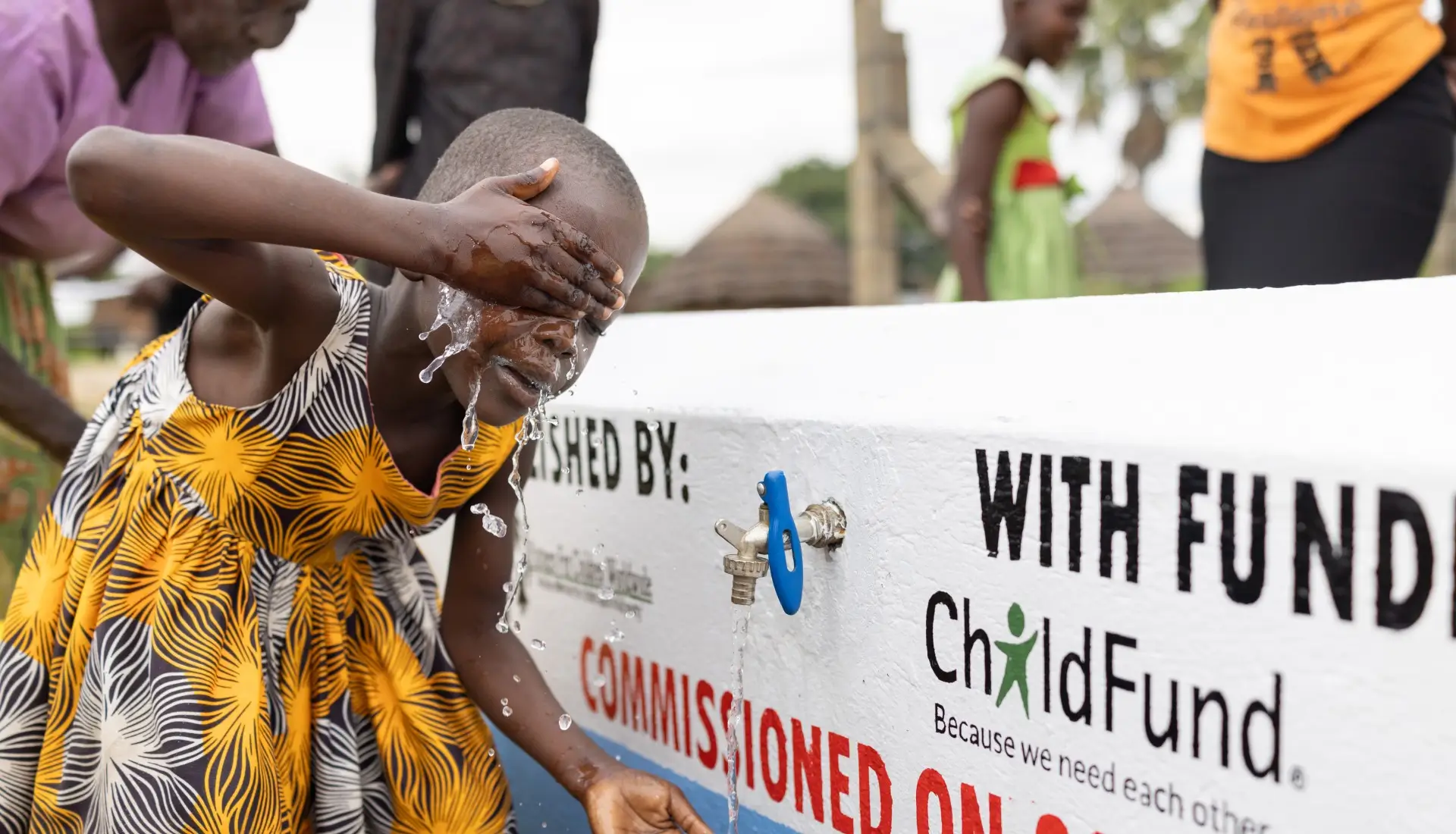
At the community’s only primary school, the difference is evident.
“Before, we had about 700 learners attending school,” says John Nicholas Ediu, the head teacher Akore Primary School. “Right now, our population has increased to 1,240 learners.”
Despite the progress, the need in Kapelebyong remains high.
“There is still a lot of work to be done,” says Amou. “Water needs to be made more accessible in Kapelebyong. My request is to expand water access to those who don’t have it.”


Related Resources

A backpack innovation supporting children carry less and learn more
Until recently, fetching water was one of the hardest parts of Samuel's day.

New ‘jerrybags’ ease water burden for refugee schoolchildren in Northern Uganda
Before the school bell rings, many children in Palorinya Refugee Settlement have already walked several...

Harnessing technology to expand access to SRH information for youth
Over 20,000 young people across Uganda will now have easier access to accurate, confidential and...