

Global campaign launched to promote child participation and engagement
May 21, 2024
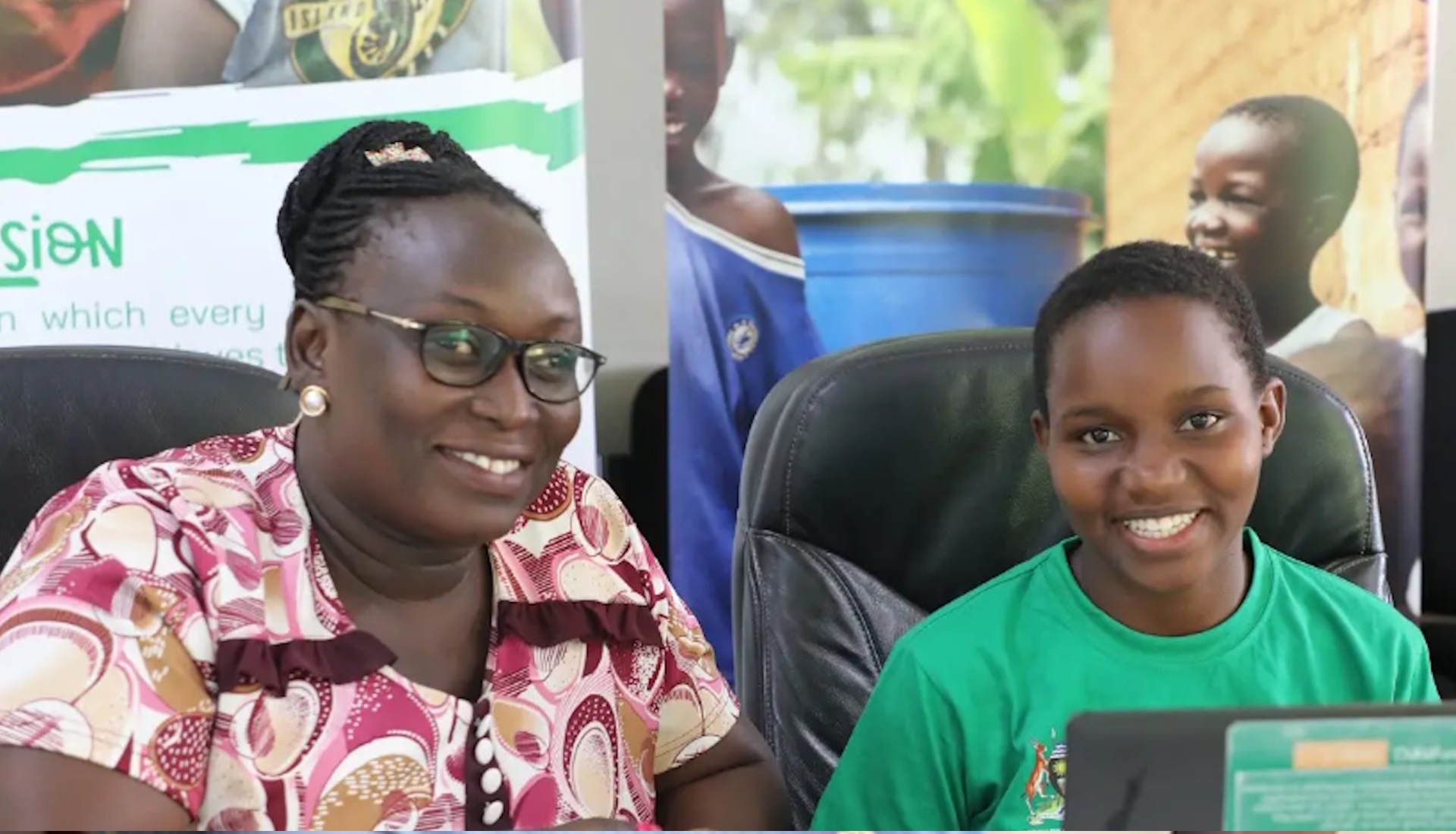
Dillis Ekany, ChildFund Uganda Child Protection Specialist and Ritah attend the online call to action launch.
ChildFund together with other members of the Joining Forces Alliance launched a “Call to Action” campaign that is meant to task governments across the globe to take deliberate efforts to invest in child participation.
Child participation refers to the active engagement of children in decisions and processes that affect their lives. It also entails recognising their rights and capacities to contribute meaningfully.
The concept of child participation is grounded in the principles of the United Nations Convention on the Rights of the child (UNCRC), particularly Article 12, which asserts that children have the right to express their views freely in all matters affecting them and that their opinions should be given due weight according to their age and maturity.
As important as this sounds, child participation is not often prioritised in terms of resource allocation or providing platforms to enable children air out their thoughts.
It is against this background that the Joining Forces Alliance organised an online engagement on May 21, 2024, to engage various stakeholders to work together to make children’s participation a reality.
Joining Forces is a group of the six largest international NGOs working around the world to secure children’s rights. These include the ChildFund Alliance, SOS Children’s Villages International, Plan International, Save the Children, World Vision and Terre de Hommes.
The alliance supports children’s safe and meaningful participation at local, national, regional and global levels.
Delivering a speech on behalf of children in Uganda, Ritah, a 17 year old supported by ChildFund underscored the importance of communication especially at family level.
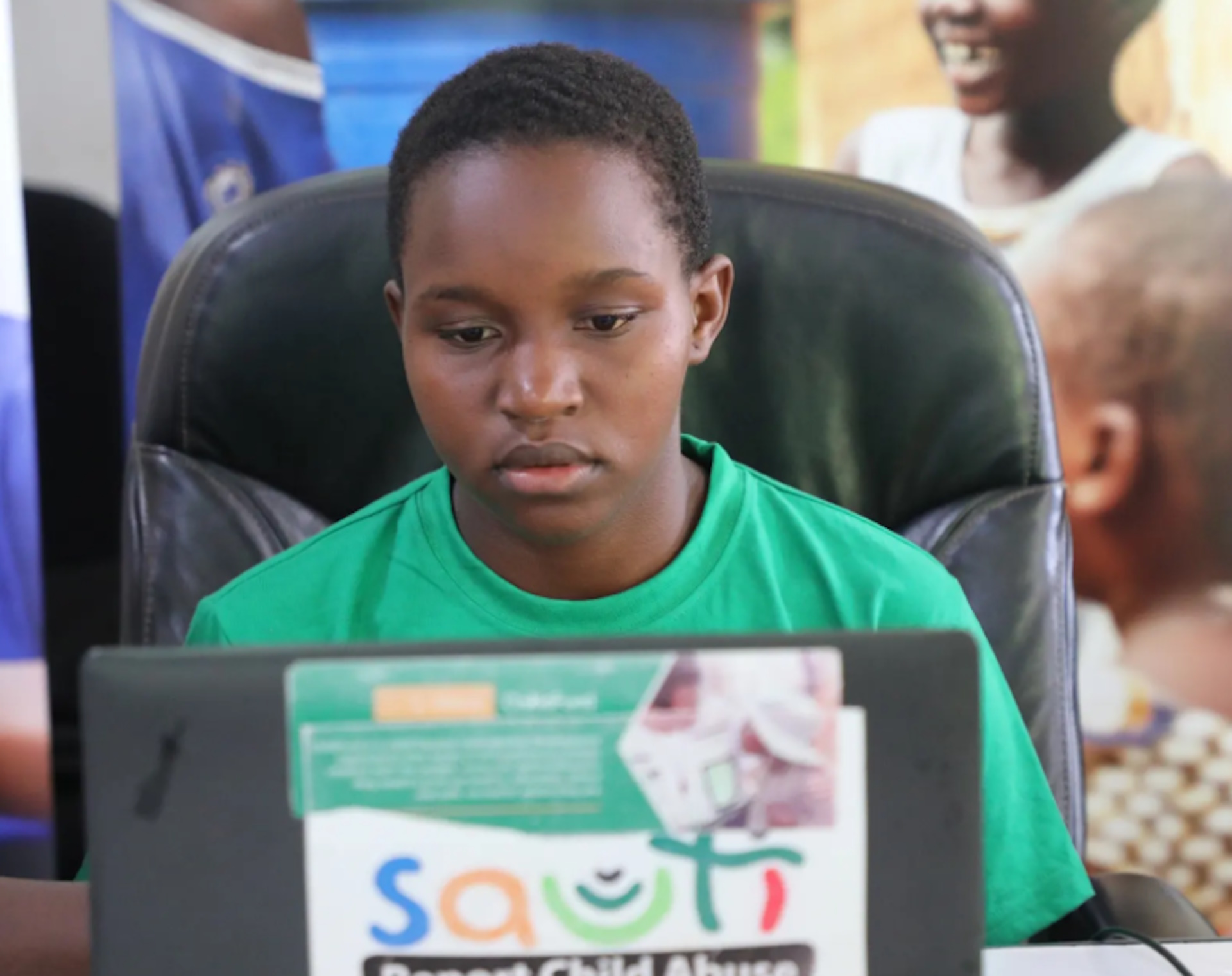 Ritah listens to the deliberations.
She said families that encourage child participation foster a yardstick for open communication along with mutual respect between children and the parents hence creating an environment where everyone’s opinion is valued.
“Children in Uganda and other parts of the world experience obstacles that hinder them from airing their views on issues that affect them. Some of the obstacles to child participation include; negative cultural norms and attitude towards child participation. In most homesteads, children are not allowed to speak amongst adults without permission because it is assumed that it can bring disgrace upon the parents and children can be easily punished for speaking in public,” she explained.
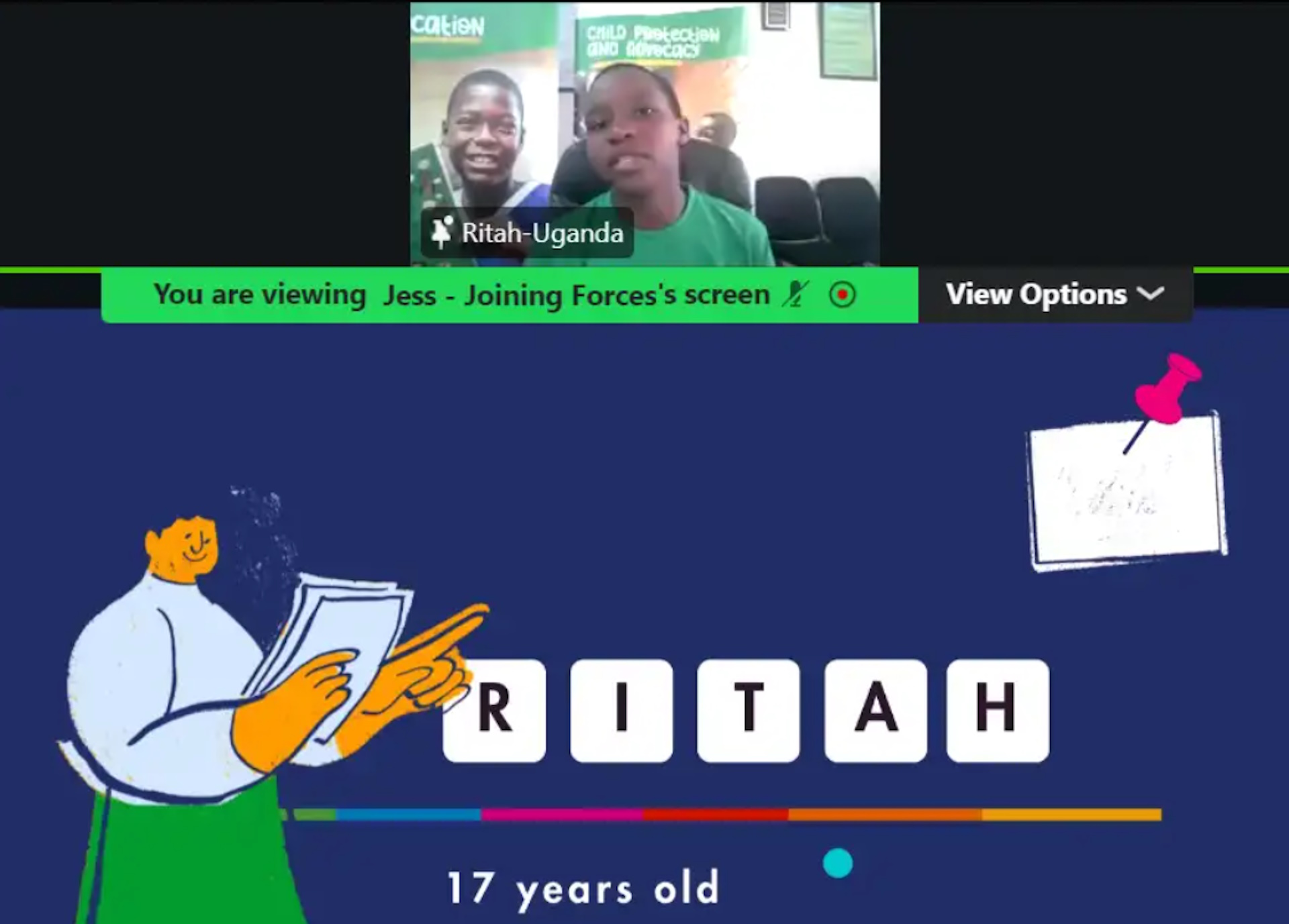 Ritah speaks to participants.
Ritah called upon government, Civil Society organizations, United Nations agencies and communities to unite and sensitize the children about their rights to participate to voice their views well on the issues affecting their lives and for the adults to listen and respect them.
Dillis Ekany, a Child Protection Specialist at ChildFund said when children are given the opportunity to participate, they are empowered to achieve their full potential.
“This is where they are able to build on their leadership skills to engage duty bearers on issues that affect them. They also gain confidence, self esteem and communication skills which can be used to make them great people in the country,” Dillis said.
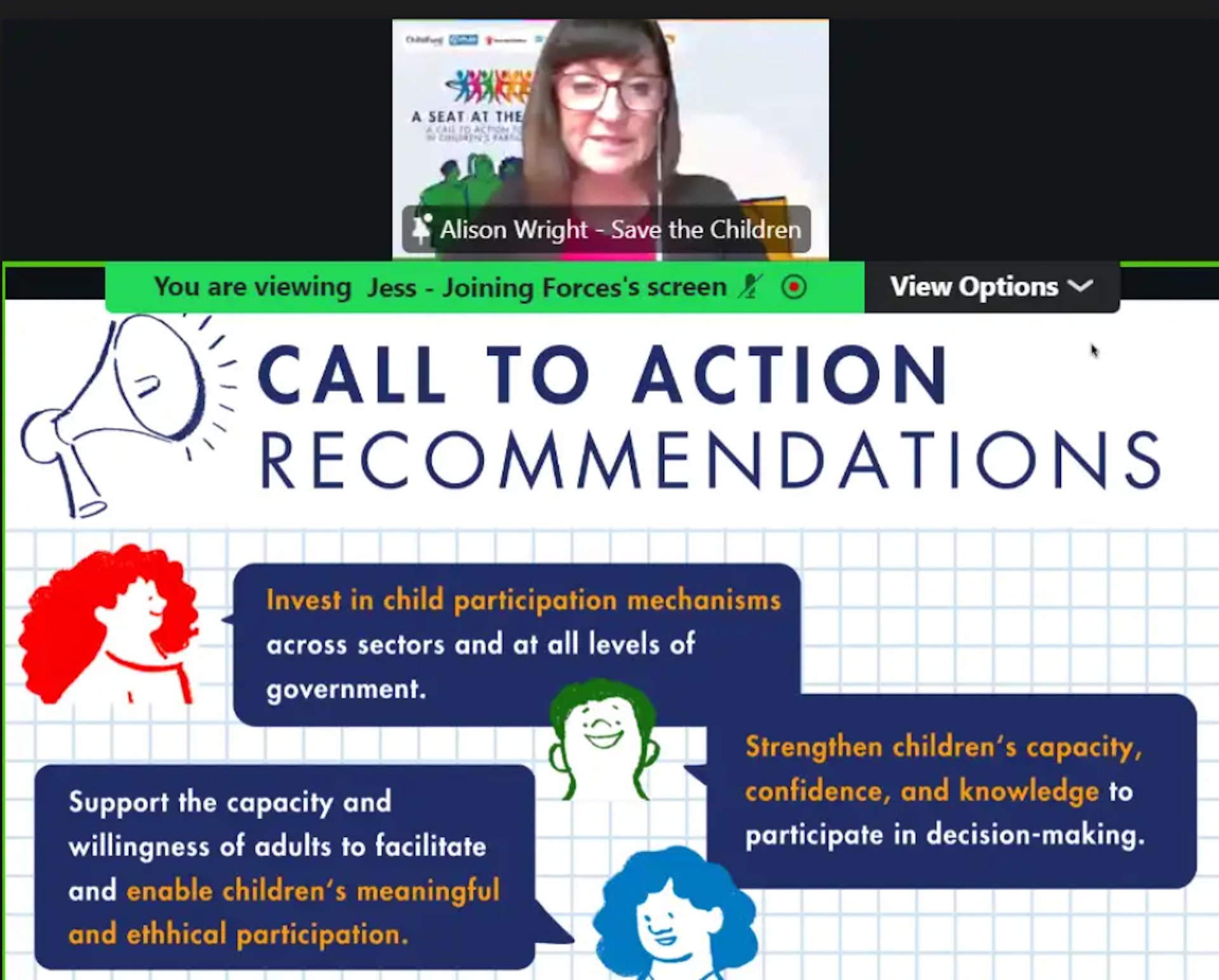 Alison Wright from Save the Children presents recommendations from the Joining Forces Alliance.
Some of the recommendations that came out of today’s deliberations included;
Ensuring that national laws and policies guarantee that children can take part in decisions that affect them and that the people making decisions pay attention to what children have to say.
Make safe, accessible and child-friendly spaces that allow all children to choose to share their concerns, opinions, and ideas, in-person or online.
Provide all government departments with enough money to make sure that spaces where children participate are integrated into existing processes, are effective, and can continue to function well for a long time.
Train children with the knowledge and skills they need to participate in decision-making.
Train adults with the knowledge and skills they need to support children to have a meaningful role in public decision-making.
SHARE:


Related Resources

A backpack innovation supporting children carry less and learn more
Until recently, fetching water was one of the hardest parts of Samuel's day.

New ‘jerrybags’ ease water burden for refugee schoolchildren in Northern Uganda
Before the school bell rings, many children in Palorinya Refugee Settlement have already walked several...

Harnessing technology to expand access to SRH information for youth
Over 20,000 young people across Uganda will now have easier access to accurate, confidential and...